
Essential Oils in the Cosmetic Industry – What You Need to Know
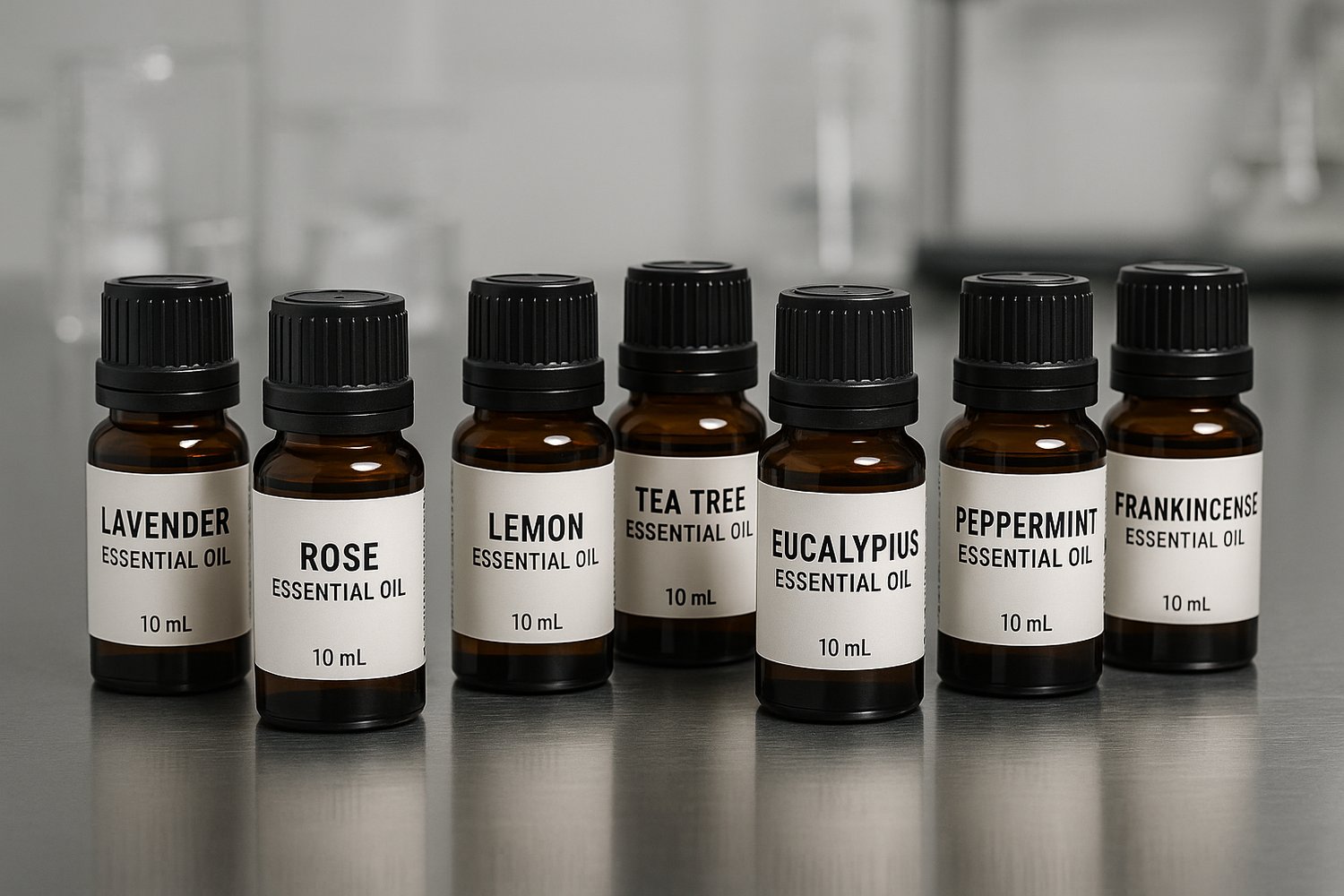
Essential oils have become a staple in many cosmetic formulations, often valued for their pleasant aromas and perceived natural benefits. From facial serums and bath products to shampoos and body oils, essential oils are frequently included as part of a brand’s “natural” or “clean beauty” positioning. However, despite their popularity, there are important considerations formulators and business owners must understand when using essential oils in cosmetic products.
Why Are Essential Oils Used in Cosmetics?
Essential oils are primarily used in cosmetics for:
- Fragrance: They impart a natural aroma to a formulation, reducing the need for synthetic fragrance compounds.
- Marketing Appeal: Essential oils carry a strong consumer perception of being natural, therapeutic, and holistic.
- Sensory Experience: The volatile nature of essential oils can create a refreshing or soothing sensory experience during product use.
- Perceived Skin Benefits: Some essential oils are believed to offer skin-enhancing properties such as cleansing, clarifying, or soothing effects, though this brings us to an important legal point.
Why You Cannot Make Claims Against Essential Oils
In Australia (and globally), cosmetic claims must be supported by evidence, and cannot imply therapeutic benefit unless the product is registered as a therapeutic good. Essential oils, though traditionally associated with wellness, cannot be promoted as offering medicinal or therapeutic benefits unless:
- The product is registered with the Therapeutic Goods Administration (TGA); and
- You hold valid evidence such as clinical trials to support those claims.
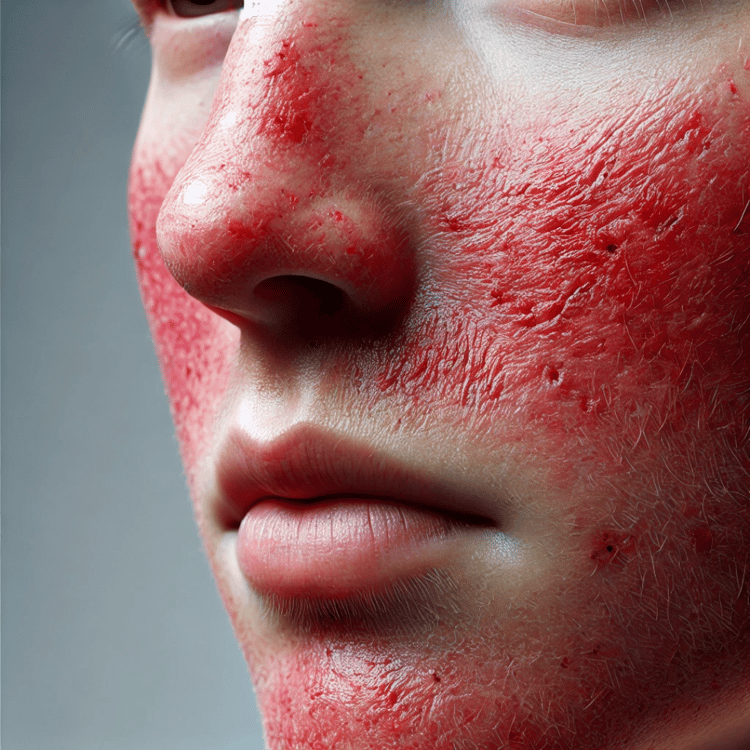
This means you cannot legally claim that your product “treats acne”, “heals eczema”, “reduces inflammation”, or “relieves anxiety” due to the inclusion of essential oils. These are therapeutic claims, and promoting them without approval could result in serious regulatory consequences under Australian Consumer Law and the Therapeutic Goods Act.
You can say a product has a “refreshing citrus aroma” or offers a “spa-like sensory experience”, but you must avoid crossing the line into unapproved health or skin treatment claims.
Safety Considerations – Not All Essential Oils Are Suitable for Everyone
While often perceived as gentle and natural, essential oils are potent compounds that can pose risks to certain populations, including:
- Pets: Some essential oils, like tea tree, eucalyptus, and citrus oils, can be toxic to dogs, cats, and other animals.
- Pregnant or Breastfeeding Individuals: Essential oils such as rosemary, clary sage, cinnamon bark, and jasmine may interfere with hormone function or uterine stimulation and are generally advised against during pregnancy or lactation.
- Babies and Children: Young skin is highly sensitive, and many essential oils (even when diluted) are not safe for infants or children under 5. Common examples include peppermint, eucalyptus, and thyme.
As a formulator or brand owner, it's essential to research each essential oil thoroughly and formulate responsibly by considering:
- Maximum dermal use levels
- IFRA (International Fragrance Association) guidelines
- Sensitisation or allergenic potential
- Contraindications for specific user groups
Essential oils can elevate a cosmetic product through scent and sensory appeal, but they must be used carefully and marketed lawfully. Always stay informed about current regulations, avoid therapeutic claims unless appropriately registered, and prioritise consumer safety by understanding who your product is suitable for and who it is not.
If you want to learn more about safe formulation with essential oils, cosmetic claims, and regulatory compliance, I offer a range of educational documents and templates available through my Patreon or for one-time purchase.
Let’s formulate safely, smartly, and legally.