
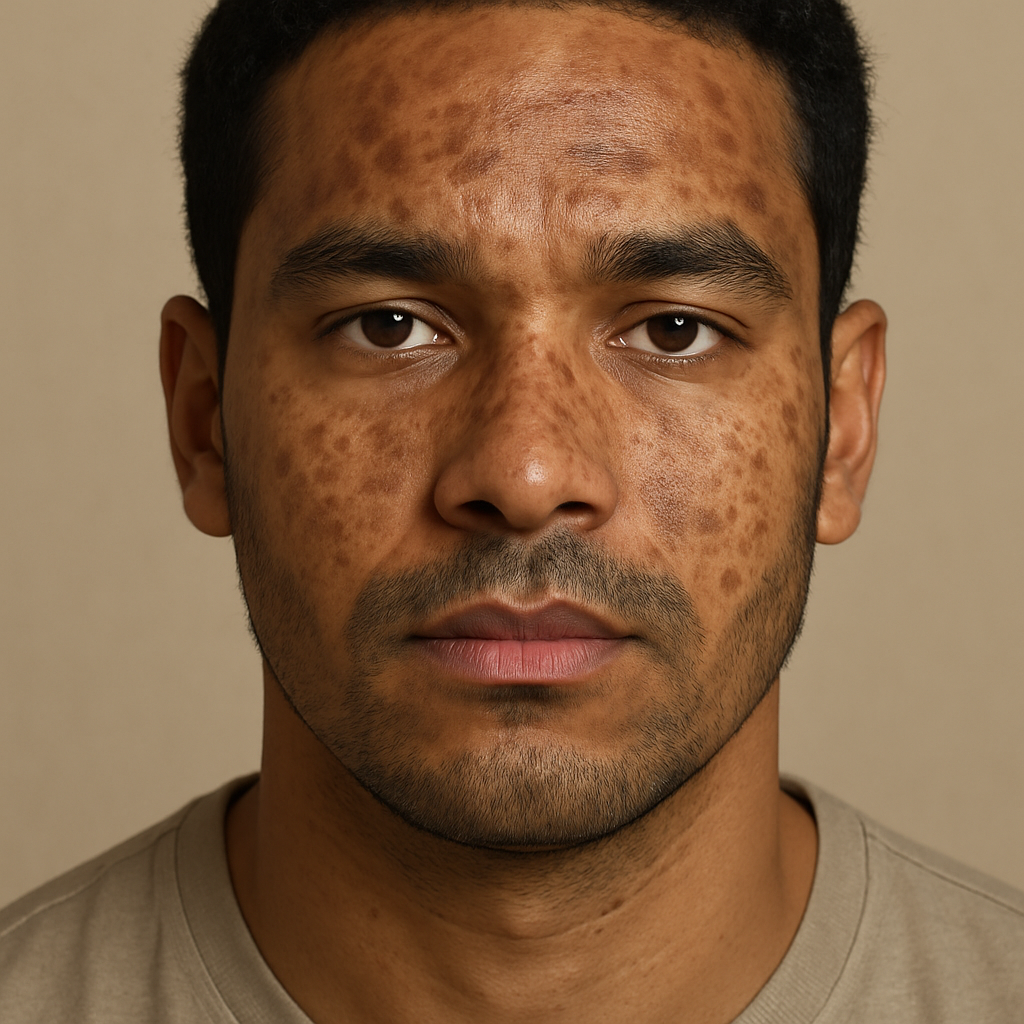
What Causes Hyperpigmentation? – Understanding PIH, Melasma, and Sun Spots
Hyperpigmentation is one of the most common skin concerns across all skin types and tones. But not all pigmentation is created equal. While it may all appear as uneven skin tone or dark spots, the underlying causes and therefore the treatment approaches, can be very different. Let’s break down three key types of hyperpigmentation: Post-Inflammatory Hyperpigmentation (PIH), Melasma, and Sun Spots (Solar Lentigines).
1. Post-Inflammatory Hyperpigmentation (PIH)
Cause:
PIH is caused by skin inflammation or trauma. When the skin becomes injured or irritated, such as from acne, eczema, burns, or harsh treatments it triggers an overproduction of melanin during the healing process. This results in flat, discoloured marks ranging from pink, red, brown, or even grey, depending on your skin tone and depth of the pigmentation.
Who’s at Risk:
PIH can affect all skin types but is more prevalent in deeper skin tones, where melanocytes are more reactive. It's also common in those who pick or squeeze acne.
Key Characteristics:
- Appears after injury or inflammation
- May fade slowly over time (months to years)
- Not raised or textured
Treatment Focus:
- Soothing inflammation
- Using brightening agents like niacinamide, azelaic acid, or licorice root extract
- Daily sun protection is essential to prevent worsening
2. Melasma
Cause:
Melasma is a hormonally triggered form of pigmentation. It often appears due to hormonal fluctuations, pregnancy (known as “the mask of pregnancy”), birth control, hormone therapy, or even thyroid dysfunction. Sun exposure and heat can exacerbate it dramatically.
Who’s at Risk:
Melasma is especially common in women and individuals with medium to deep skin tones. It’s chronic and can be difficult to manage without ongoing maintenance.
Key Characteristics:
- Appears as symmetrical patches on the cheeks, forehead, upper lip, and jawline
- Brown, grey-brown, or ash-toned
- Often worsens in summer and improves in cooler months
Treatment Focus:
- Gentle fading agents like tranexamic acid, kojic acid, and vitamin C
- Avoiding heat and sun exposure
- Prescription treatments such as hydroquinone or tretinoin in severe cases
- Consistent, broad-spectrum SPF use (SPF 50+ recommended)
3. Sun Spots (Solar Lentigines)
Cause:
Sun spots, also called age spots or liver spots, are caused by chronic UV exposure over time. They result from cumulative sun damage that leads to overactive melanocytes in specific areas.
Who’s at Risk:
Anyone with long-term sun exposure is at risk, but they’re especially common in fair skin types and older adults.
Characteristics:
- Flat, oval spots in shades of brown
- Common on the face, chest, hands, and shoulders
- Increase with age and sun exposure
Treatment Focus:
- Topical actives like alpha-arbutin, retinoids, and AHAs
- Professional treatments like chemical peels, IPL (Intense Pulsed Light), or laser
- Ongoing sun protection is critical to prevent recurrence
Why It Matters to Know the Difference
Knowing whether you're dealing with PIH, melasma, or sun spots is key to choosing the right treatment strategy. While all three involve excess melanin, they require different approaches, especially when it comes to prevention and long-term care.
And remember:
Hyperpigmentation can take time to improve. Whatever type you’re dealing with, sun protection is non-negotiable. A broad-spectrum SPF, worn daily, will not only prevent worsening but will also help any treatment work more effectively.