
Why emulsions split – troubleshoot before it happens.
One of the most frustrating things a formulator can experience is watching an emulsion split. You follow the formula, everything looks perfect during manufacturing, and then a few days or weeks later you start to see separation.
In reality, emulsions do not usually fail without warning. Most stability issues begin much earlier in the formulation stage. Things like incorrect oil phase size, poor emulsifier selection, electrolyte interference, or processing temperatures can all weaken an emulsion before it even reaches the jar.
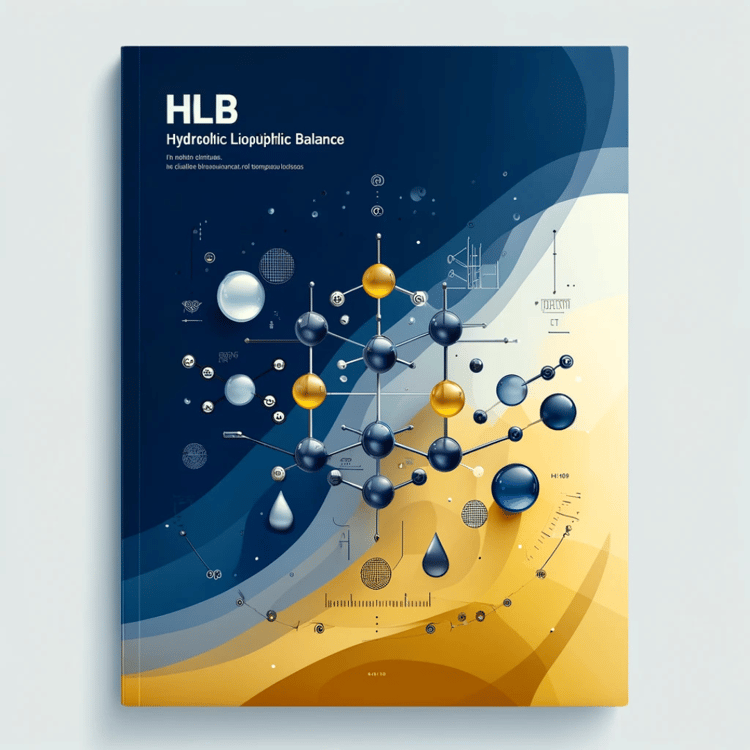
I have put together a new educational document that looks at why emulsions split and how to troubleshoot problems before they happen. This guide explains the most common causes of emulsion instability and how to identify potential issues during formulation and manufacturing.
Inside the document I cover:
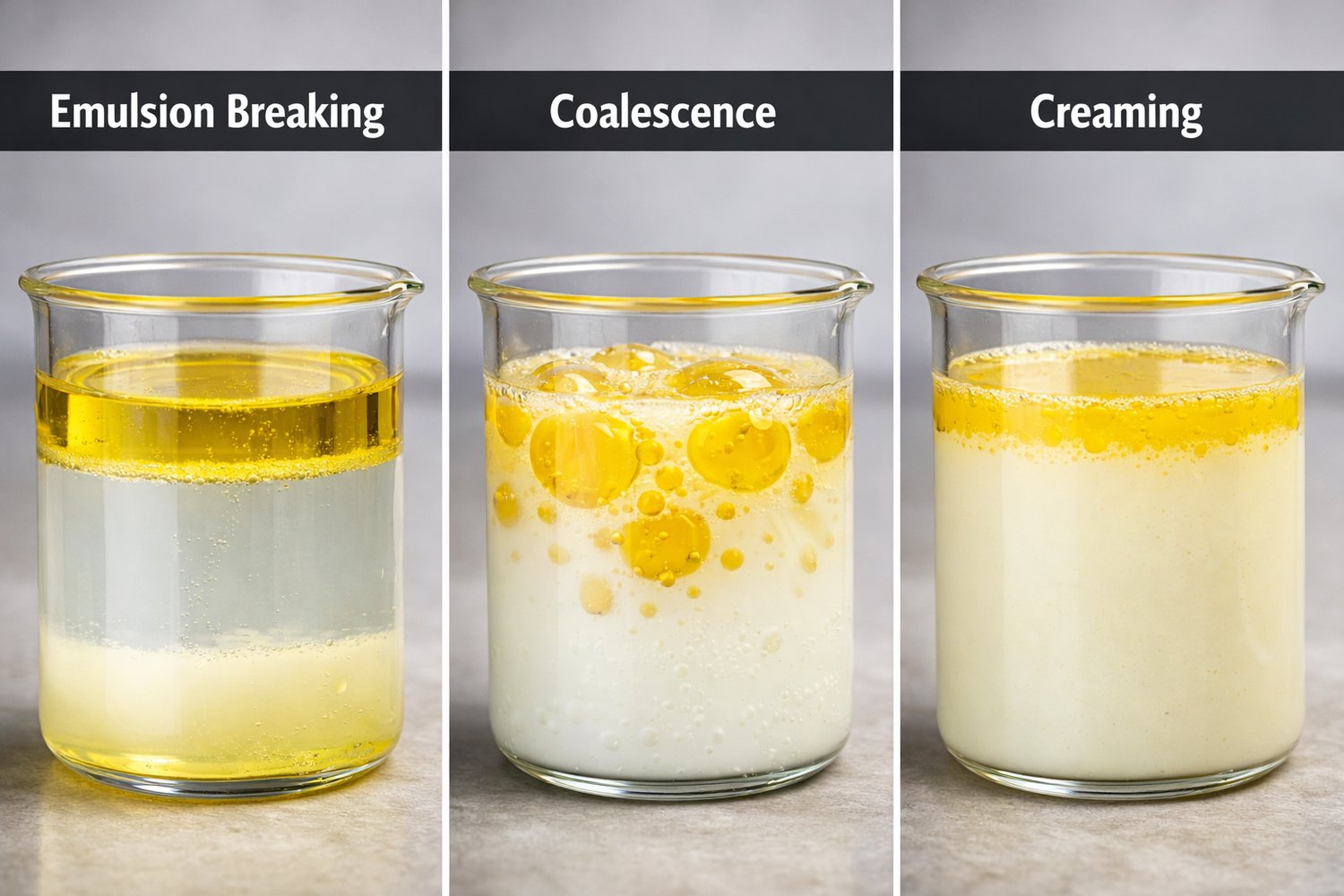
• The different types of emulsion failure (creaming, coalescence and full separation)
• How emulsifier choice affects stability
• The role of oil phase percentage and droplet size
• Why mixing, shear and temperature control matter
• How electrolytes, actives and pH can destabilise emulsions
• Practical ways to design more stable formulations from the beginning
Understanding why emulsions fail is one of the most valuable skills a formulator can develop. Once you know what to look for, many stability issues can be prevented long before they reach production.