
Ceramides – The Science of Restoring the Skin Barrier
Ceramides are the skin’s “mortar”, the lipids that seal gaps between cells to keep water in and irritants out. When they’re low or disorganised, skin feels tight, looks dull, and reacts easily. This short primer explains what ceramides are, why subclass and chain length matter (hello, acylceramides/EOS), and how to use them strategically to rebuild a resilient barrier without heaviness.
Inside, you’ll learn:
- How the “bricks and mortar” structure works and why ceramides are the largest piece of the lipid puzzle.
- The roles of ceramide subclasses (NP, AP, EOP, EOS) and why linoleic acid supply supports acylceramide formation.
- The importance of pH for the enzymes that generate native ceramides, and what that means for cleanser and moisturiser choice.
- How to pair ceramides with cholesterol, long-chain fatty acids, and humectants for faster TEWL reduction and long-term stability.
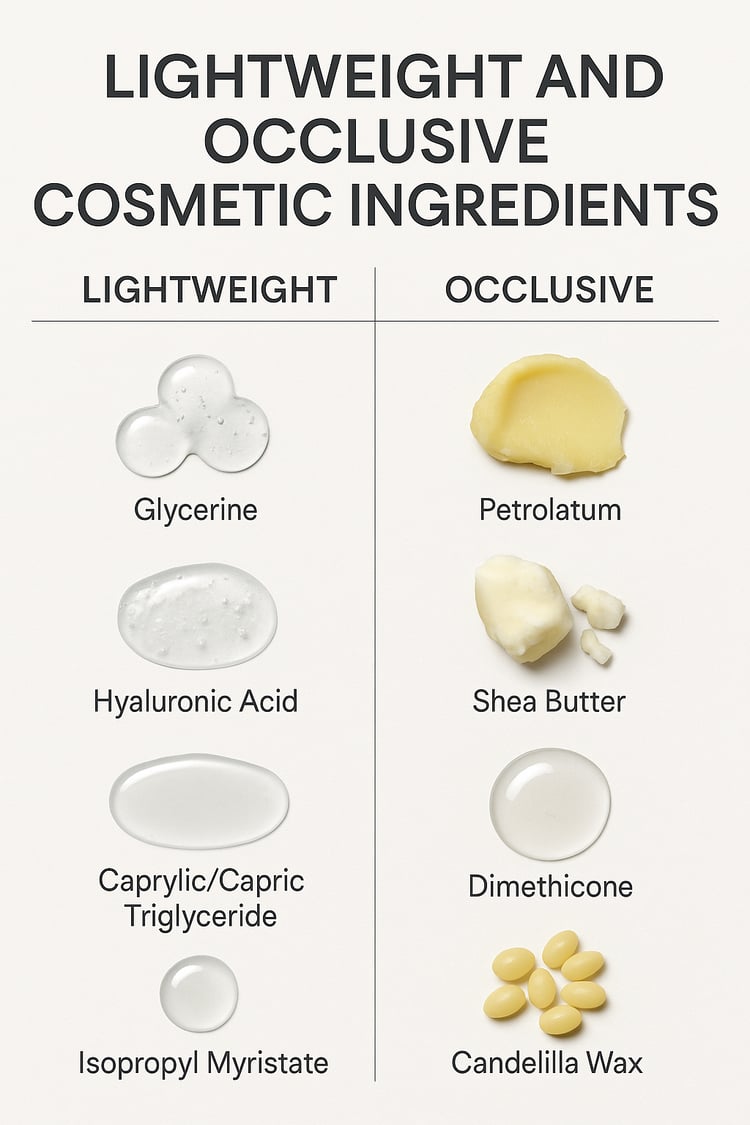
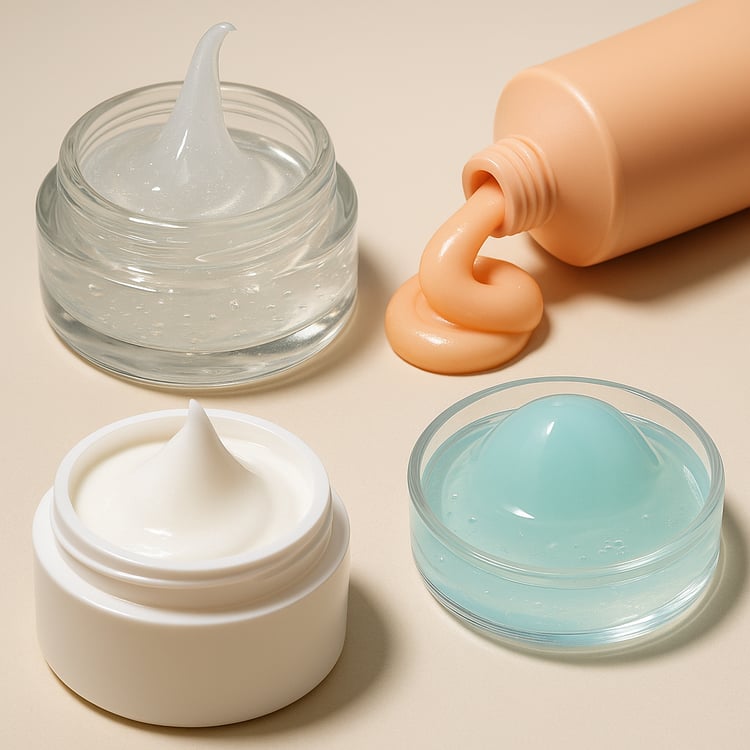
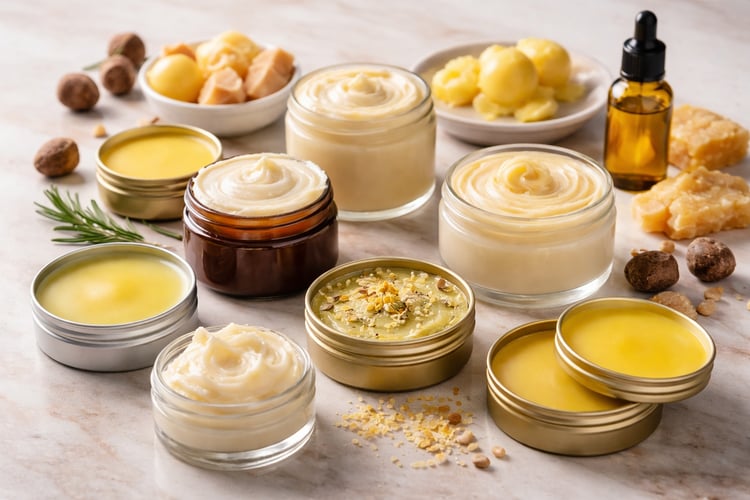
- Texture guidance for oily, combination, and very dry skin so barrier care feels elegant, not occlusive.
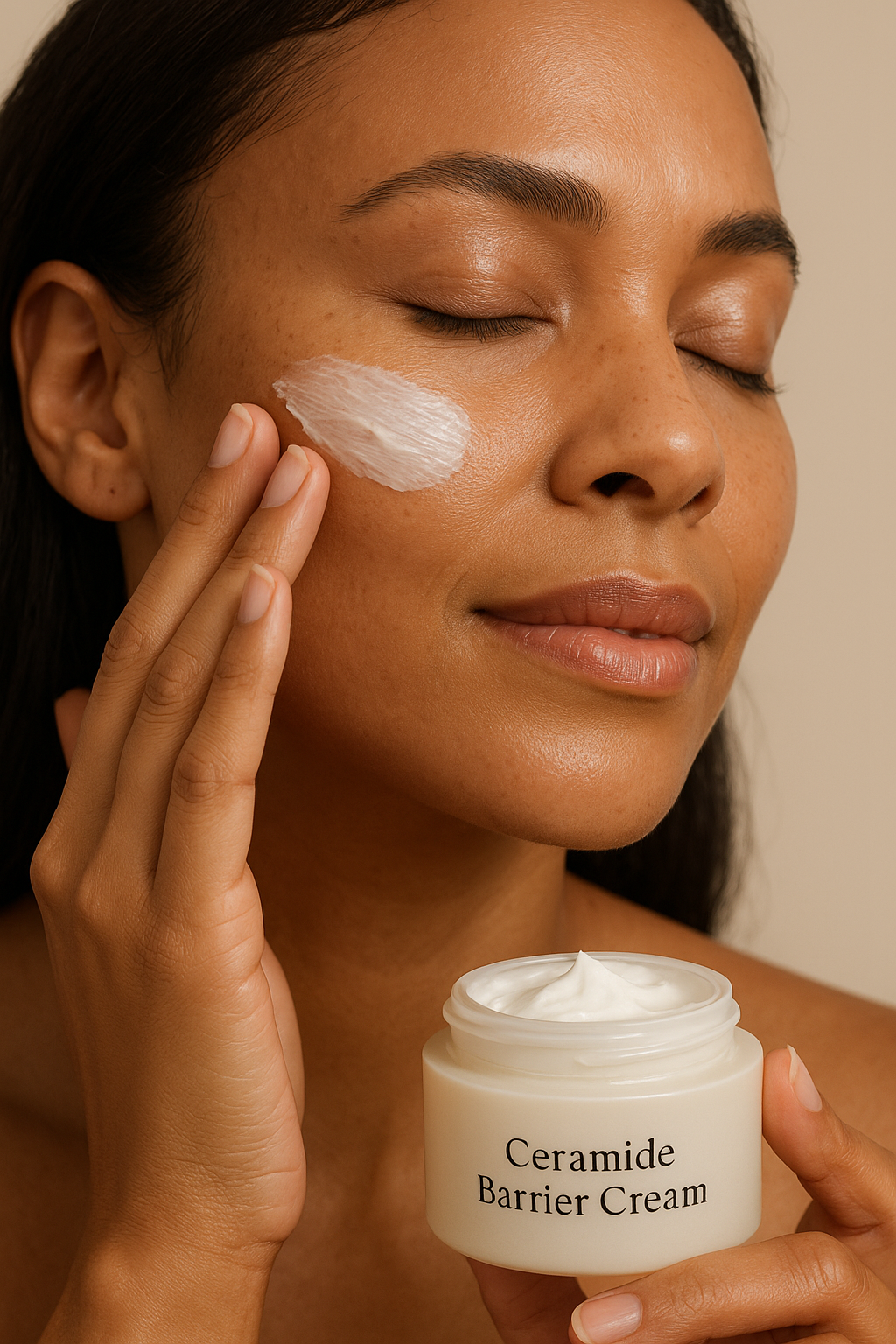
Quick routine tip: cleanse gently at a low pH, hydrate on damp skin, then lock in with a biomimetic ceramide-cholesterol-FFA cream morning and night; finish with sunscreen to protect those lipids.
Ready to go deeper? Download this basic guide for ingredient ratios, delivery systems (MLE/liquid crystalline), climate-specific textures, and evidence-informed nuances for ageing and sensitive skin.