
How to Check Ingredient Safety – Where to Find Reliable Information
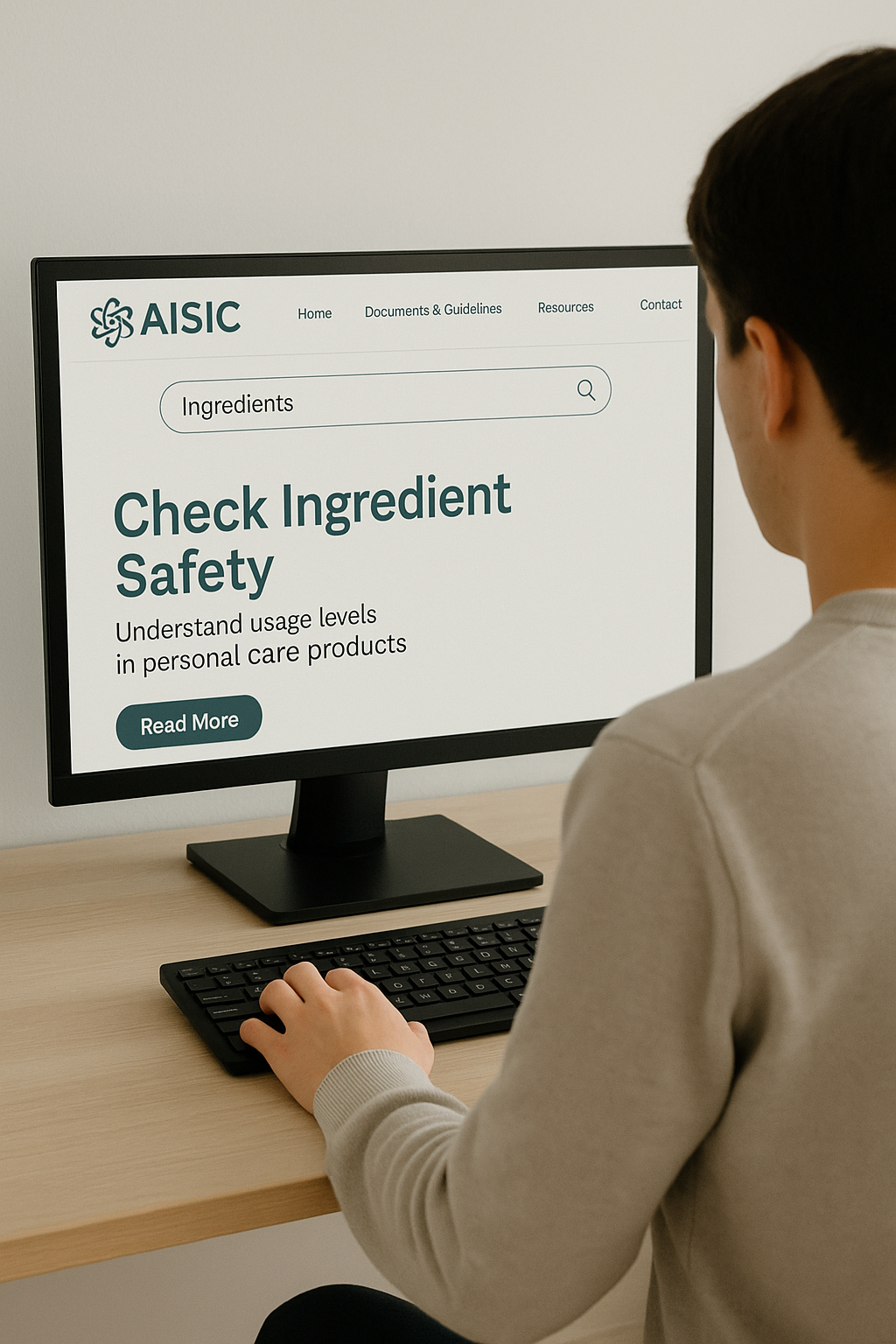
When it comes to cosmetic formulation, ingredient safety is non-negotiable. Whether you're a brand owner, formulator, or DIY skincare creator, knowing how to evaluate the safety of each ingredient ensures your products are not only effective but also compliant and skin-friendly.
What Does “Ingredient Safety” Mean?
Ingredient safety involves understanding how a substance behaves in a cosmetic formula, including:
- Toxicity (acute, chronic, reproductive)
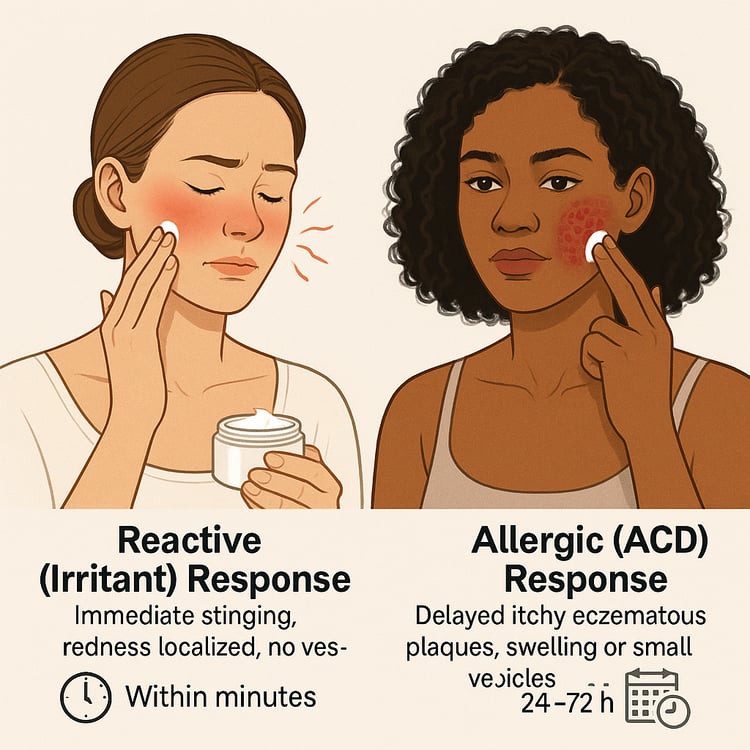
- Irritation or sensitisation risk
- Phototoxicity or photoallergy
- Environmental impact
- Appropriate use concentration and application type (leave-on vs rinse-off)
How to Check Ingredient Safety
1. Start with INCI and CAS Numbers
Confirm the correct INCI name and CAS number to ensure accurate research.
2. Review the Safety Data Sheet (SDS)
SDS documents include hazard classifications, first aid info, toxicology, and handling guidelines. Use your supplier’s SDS or access public sources like Sigma-Aldrich or Fisher Scientific.
3. Check CIR and SCCS Reviews
- CIR (USA): cir-safety.org
- SCCS (EU): EU SCCS opinions
- These expert panels assess safety, usage limits, and potential concerns.
4. Search Regulatory Databases
- EU: CosIng
- Australia: AICIS
- Canada: Health Canada Hotlist
- These databases provide legal limits, banned/restricted ingredients, and labelling requirements.
5. Explore Scientific Research
Look up studies via PubMed or Google Scholar using search terms like:
- “Irritation potential of [ingredient]”
- “Dermal toxicity of [ingredient]”
Common Mistakes to Avoid
- Assuming natural = safe
- Relying solely on EWG scores or marketing claims
- Using the wrong concentration
- Skipping pH and formulation context
Always validate ingredient safety through official and peer-reviewed sources, not just blogs or supplier brochures.
Understanding Usage Levels
Refer to:
- SCCS and CIR limits
- Supplier usage recommendations
- Formulation type and pH
- Also calculate dermal load, and be cautious with allergens, essential oils, and actives in leave-on products.
Summary: Reliable Safety Sources

Want to Learn More?
Grow your knowledge with our 50+ page educational document:
“How to Check Ingredient Safety – A Complete Formulator’s Guide”