
The Truth About Foaming – Is More Foam Better?
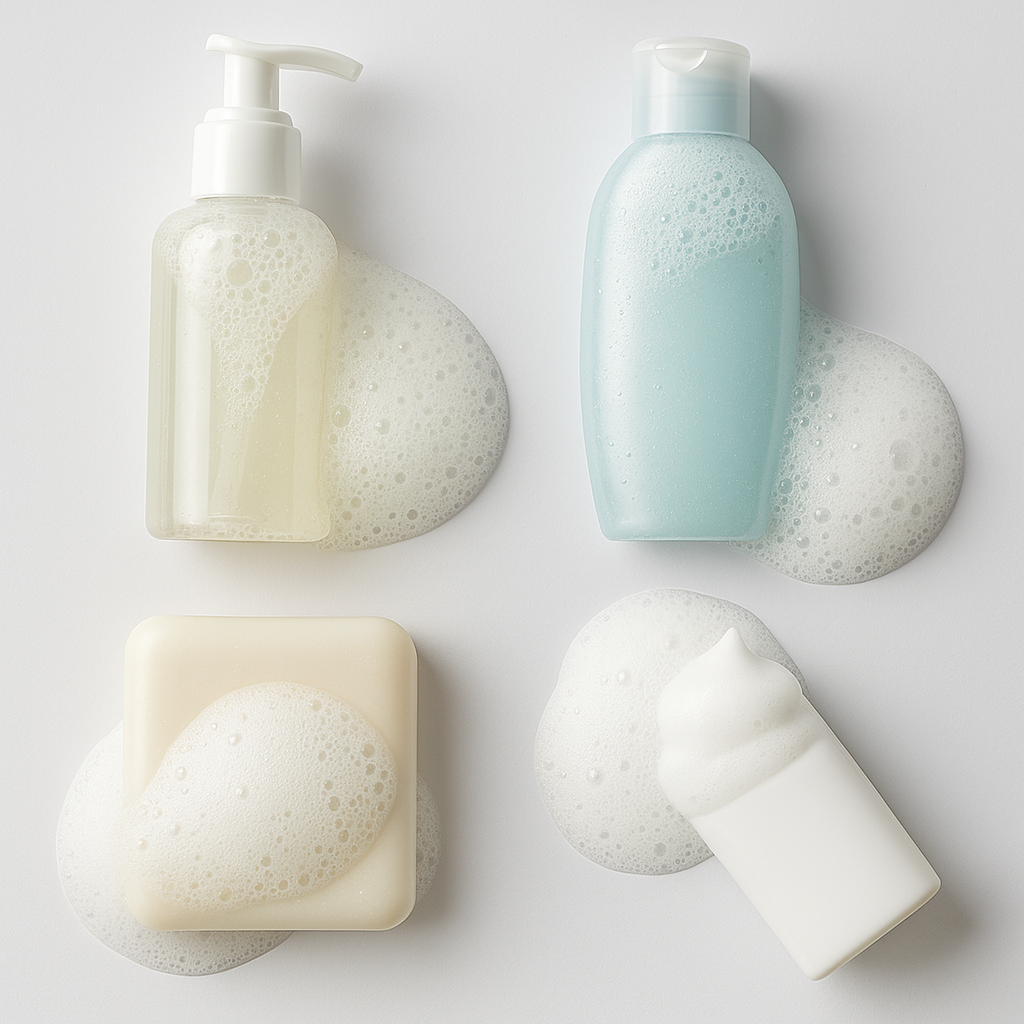
There is a widespread misconception in the cosmetic and personal care industry that the amount of foam produced by a cleanser determines how effectively it cleans. Many consumers still believe that the richer and thicker the foam, the deeper the clean. In reality, this could not be further from the truth. Foam and bubbles are purely sensory characteristics, they provide a pleasant texture, visual satisfaction, and a feeling of freshness, but they have no direct link to the product’s cleansing ability.
This educational document has been carefully written to debunk that common misconception. It explores the science behind foam formation, how bubbles are created and stabilised, and what truly defines a surfactant’s cleansing performance. You’ll gain a clear understanding of why foam exists, what it represents, and how surfactant chemistry, not bubble size or volume, determines how well a product removes dirt, oil, and impurities.
By reading this detailed guide, you’ll also learn how to educate your customers with confidence, helping them understand that low-foaming cleansers can be just as effective, and often far gentler, than high-foaming ones. Whether you are a formulator, skincare professional, or educator, this resource offers practical and scientific insight into one of the most misunderstood aspects of cosmetic formulation.
Download this in-depth and professionally written document. It’s an invaluable educational tool for those who wish to separate marketing myths from scientific reality and guide customers toward a better understanding of their products and formulations.