


Advances in Cardiovascular Risk Assessment & Gender‑Specific Management
On Sale
$18.50
$18.50
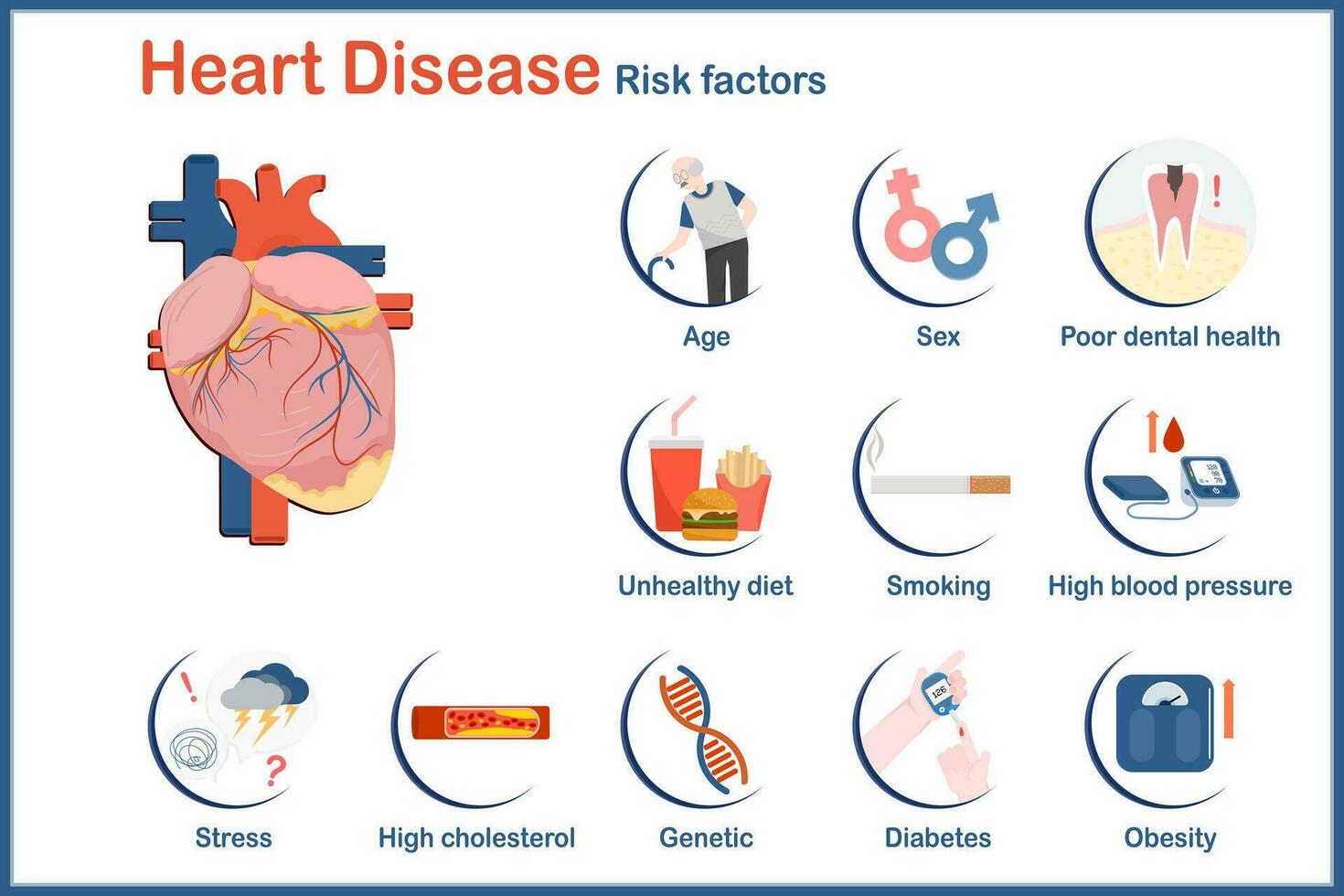
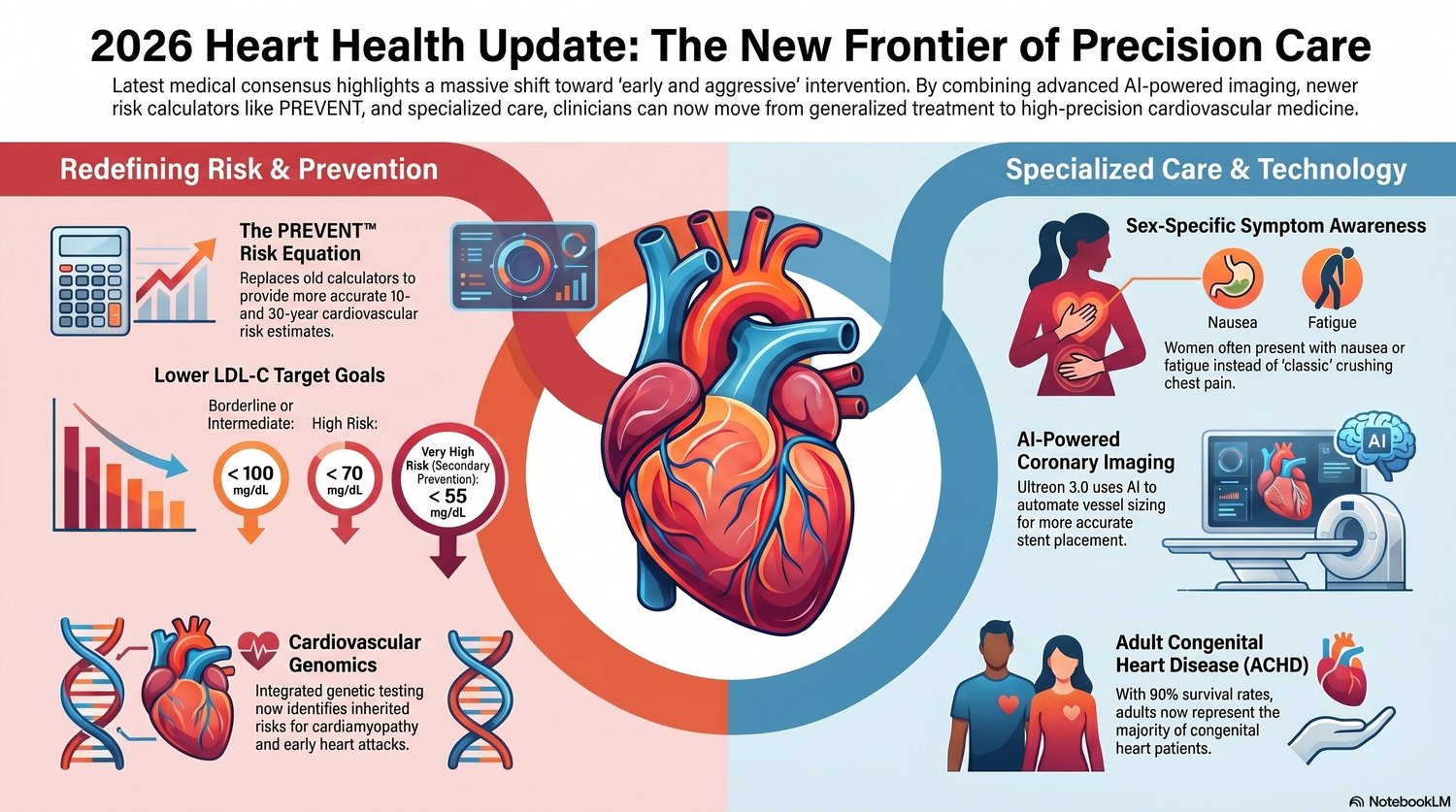
Cardiovascular disease (CVD) remains the leading cause of death for both men and women globally, yet decades of clinical research were conducted predominantly in male cohorts. This systematic exclusion created a critical evidence gap: therapies calibrated for male physiology were applied universally, often with suboptimal outcomes in female patients.
The past two decades have witnessed a paradigm shift. Landmark studies — the WISE trial, the WOEST trial, and the comprehensive 2021 ESC Guidelines on CVD Prevention — have established that sex and gender influence every dimension of cardiovascular disease: from the molecular mechanisms of atherosclerosis to presenting symptoms, diagnostic accuracy, treatment response, and long-term prognosis.