


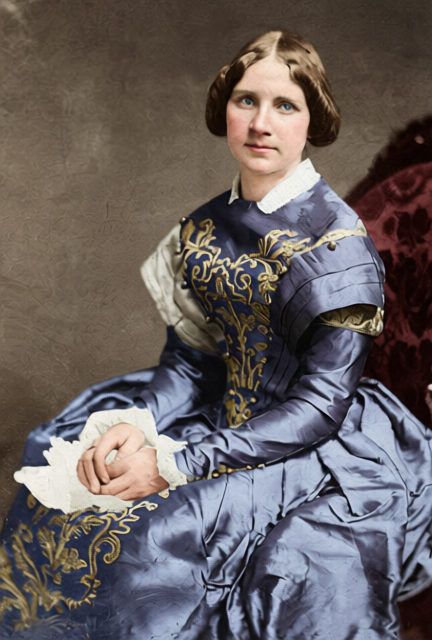
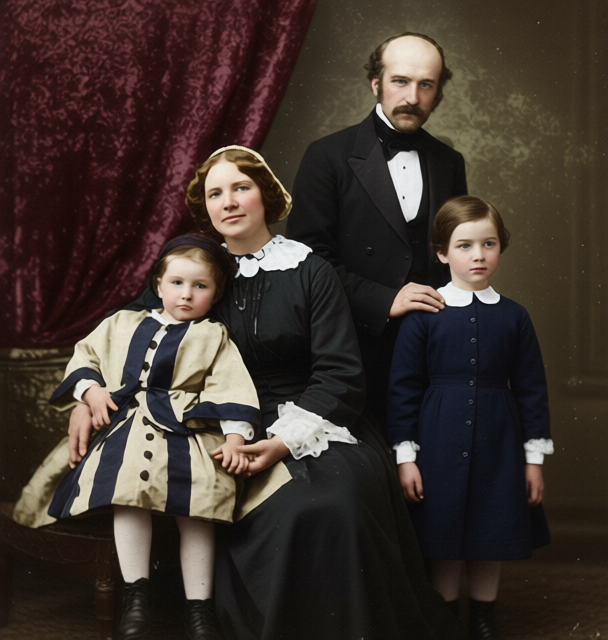


Jenny Lind (English)
On Sale
$0.00
Johanna Maria "Jenny" Lind
(6 October 1820 – 2 November 1887) was a Swedish opera singer, often called the "Swedish Nightingale". One of the most highly regarded singers of the 19th century, she performed in soprano roles in opera in Sweden and across Europe, and undertook an extraordinarily popular concert tour of the United States beginning in 1850. She was a member of the Royal Swedish Academy of Music from 1840.
Lind became famous after her performance in Der Freischütz in Sweden in 1838. Within a few years, she had suffered vocal damage, but the singing teacher Manuel García saved her voice. She was in great demand in opera roles throughout Sweden and northern Europe during the 1840s, and was closely associated with Felix Mendelssohn. After two acclaimed seasons in London, she announced her retirement from opera at the age of 29.
In 1850, Lind went to America at the invitation of the showman P. T. Barnum. She gave 93 large-scale concerts for him and then continued to tour under her own management. She earned more than $350,000 from these concerts, donating the proceeds to charities, principally the endowment of free schools in Sweden. With her new husband, Otto Goldschmidt, she returned to Europe in 1852 where she had three children and gave occasional concerts over the next two decades, settling in England in 1855. From 1882, for some years, she was a professor of singing at the Royal College of Music in London.
In this slideshow slideshow pages.
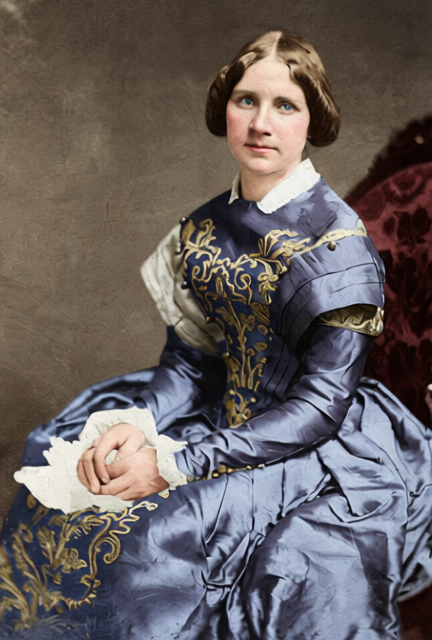
Sveriges första stora musikexport
Jenny Lind utnämndes till hovsångerska redan som nittonåring och sjöng på de största scenerna i Sverige, Tyskland, Österrike, Danmark, England och USA. Trots att väldigt få hade sett eller ens hört Jenny sjunga var hennes stjärnstatus enorm och det blev publikkaos var hon än befann sig. Under en utsåld konsertturné i USA och Kanada 1850–51 lanserades hon som ”The Swedish Nightingale”. När hon anlände till New York stod drygt 25 000 personer på kajen för att få se en skymt av henne.
En askungesaga
Jenny Linds livsberättelse är en askungesaga. Hon föddes fattig, oönskad och utanför äktenskapet i Stockholm den 6 oktober 1820. Placerad i en fosterfamilj upptäcktes Jenny som åttaåring och debuten på Kungliga Operan nio år senare var en succé. Dåtidens publik vittnade om en gudomlig röst, intensivt skådespeleri och en alldeles speciell utstrålning.
Jennyism
Jenny Lind slog igenom i en tid då fokus alltmer kretsade kring individen, vilket gjorde att hennes stjärnstatus växte till enorma proportioner. Den banbrytande marknadsföringen av Linds ”personliga image” skapade publikhysteri. Fenomenet Jennyismen förmedlades i press och genom otaliga produkter: Jenny Lind-handskar och mössor, frisyrer, sjalar och teatrar, stolar, pianon, cigarrer, till och med sånger namngavs efter Jenny Lind. I museets samling finns många föremål som uppges ha tillhört henne, vilket visar på hur alldagliga ting blir magiska när de möjligen har vidrörts av en celebritet.
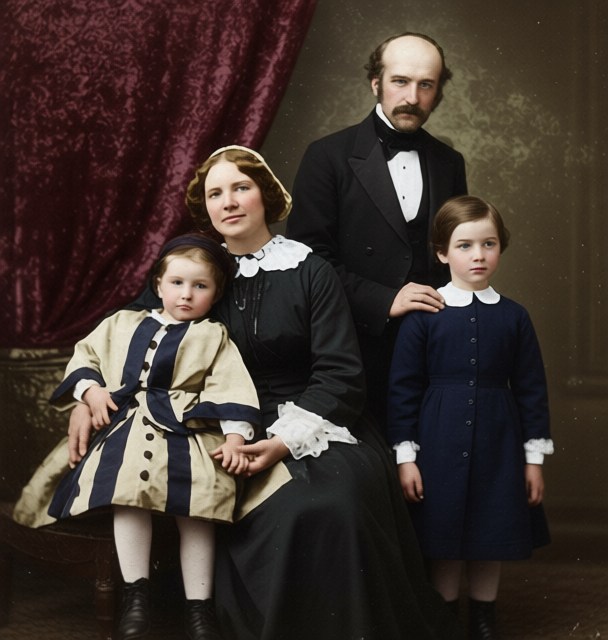
Photo year 1860 in Stockholm, Sweden.
(6 October 1820 – 2 November 1887) was a Swedish opera singer, often called the "Swedish Nightingale". One of the most highly regarded singers of the 19th century, she performed in soprano roles in opera in Sweden and across Europe, and undertook an extraordinarily popular concert tour of the United States beginning in 1850. She was a member of the Royal Swedish Academy of Music from 1840.
Lind became famous after her performance in Der Freischütz in Sweden in 1838. Within a few years, she had suffered vocal damage, but the singing teacher Manuel García saved her voice. She was in great demand in opera roles throughout Sweden and northern Europe during the 1840s, and was closely associated with Felix Mendelssohn. After two acclaimed seasons in London, she announced her retirement from opera at the age of 29.
In 1850, Lind went to America at the invitation of the showman P. T. Barnum. She gave 93 large-scale concerts for him and then continued to tour under her own management. She earned more than $350,000 from these concerts, donating the proceeds to charities, principally the endowment of free schools in Sweden. With her new husband, Otto Goldschmidt, she returned to Europe in 1852 where she had three children and gave occasional concerts over the next two decades, settling in England in 1855. From 1882, for some years, she was a professor of singing at the Royal College of Music in London.
In this slideshow slideshow pages.
Sveriges första stora musikexport
Jenny Lind utnämndes till hovsångerska redan som nittonåring och sjöng på de största scenerna i Sverige, Tyskland, Österrike, Danmark, England och USA. Trots att väldigt få hade sett eller ens hört Jenny sjunga var hennes stjärnstatus enorm och det blev publikkaos var hon än befann sig. Under en utsåld konsertturné i USA och Kanada 1850–51 lanserades hon som ”The Swedish Nightingale”. När hon anlände till New York stod drygt 25 000 personer på kajen för att få se en skymt av henne.
En askungesaga
Jenny Linds livsberättelse är en askungesaga. Hon föddes fattig, oönskad och utanför äktenskapet i Stockholm den 6 oktober 1820. Placerad i en fosterfamilj upptäcktes Jenny som åttaåring och debuten på Kungliga Operan nio år senare var en succé. Dåtidens publik vittnade om en gudomlig röst, intensivt skådespeleri och en alldeles speciell utstrålning.
Jennyism
Jenny Lind slog igenom i en tid då fokus alltmer kretsade kring individen, vilket gjorde att hennes stjärnstatus växte till enorma proportioner. Den banbrytande marknadsföringen av Linds ”personliga image” skapade publikhysteri. Fenomenet Jennyismen förmedlades i press och genom otaliga produkter: Jenny Lind-handskar och mössor, frisyrer, sjalar och teatrar, stolar, pianon, cigarrer, till och med sånger namngavs efter Jenny Lind. I museets samling finns många föremål som uppges ha tillhört henne, vilket visar på hur alldagliga ting blir magiska när de möjligen har vidrörts av en celebritet.
Photo year 1860 in Stockholm, Sweden.