
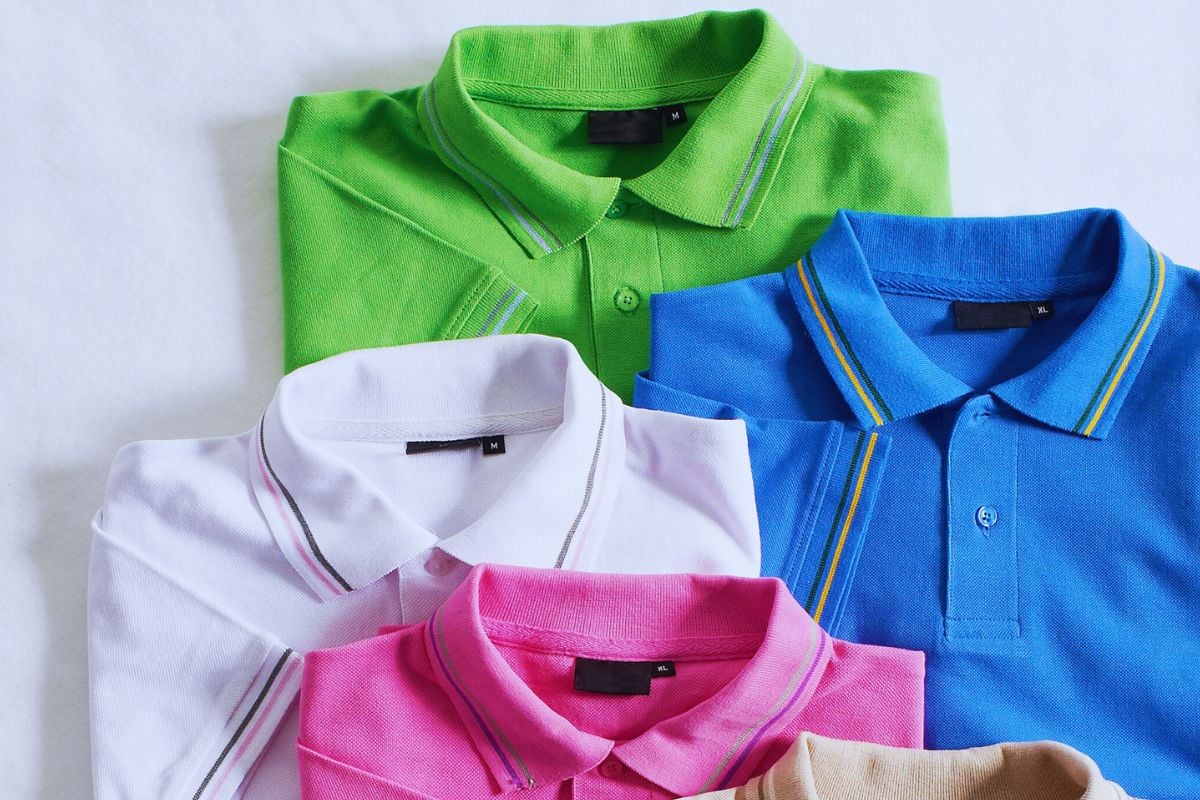
Polo Shirt Cost by Fabric Type: What Really Affects the Price
When it comes to buying a polo shirt, one of the most common questions people ask is, “How much should a polo shirt cost?” The answer depends heavily on one major factor: fabric type. The material of a polo shirt not only determines comfort and durability but also plays a significant role in pricing. Whether you are a casual buyer, retailer, brand owner, or uniform supplier, understanding fabric-based pricing can help you make smarter purchasing decisions.
1. Cotton Polo Shirts Cost
Cotton is one of the most popular fabrics for polo shirts because it is breathable, soft, and comfortable. However, cotton itself has categories, and each category affects the price.
Basic cotton polo shirts usually cost less because they are made with standard cotton. These are suitable for casual wear and everyday use.
Premium cotton polo shirts, especially those made from Pima Cotton or Egyptian Cotton, are much more expensive. They are softer, smoother, more durable, and provide a luxurious feel. Brands charge higher because premium cotton costs more to produce and offers better quality.
2. Polyester Polo Shirts Cost
Polyester polo shirts are commonly used for sportswear, corporate uniforms, and promotional clothing. Polyester is durable, lightweight, quick-drying, and maintains shape well. That is why many athletic brands prefer it.
Prices of polyester polo shirts depend on the quality of polyester and brand reputation. Cheap polyester polos can feel rough and uncomfortable, while high-performance polyester polos with moisture-wicking technology cost more. Still, polyester options are generally budget-friendly, especially for bulk orders.
3. Cotton-Polyester Blend Polo Shirts Cost
Blended polo shirts offer the best of both worlds — softness of cotton and durability of polyester. These shirts are ideal for workplaces, schools, and uniforms because they are comfortable, last longer, and are easy to maintain.
Most blended polo shirts fall in the mid-price range, making them a popular choice for both retail and bulk buyers. The cost can increase when additional features like wrinkle resistance or stretch fabric are included.
4. Performance and Technical Fabric Polo Shirts Cost
High-performance polo shirts are made with advanced fabrics designed for sports, outdoor activities, and professional environments. These materials include moisture-wicking technologies, anti-odor properties, stretch fabric, and UV protection.
Because of advanced textile technology and brand innovation, performance polos sit in the higher price category. However, they are worth the investment if you want durability, comfort, and functionality.
5. Why Fabric Type Matters for Cost
Fabric impacts:
- Comfort level
- Breathability
- Durability
- Maintenance needs
- Brand value
- Production cost
This is why two polo shirts may look the same but have totally different price tags.
Final Thoughts
Understanding polo shirt cost by fabric type helps you choose wisely. If you want luxury, go for premium cotton. For durability and economy, polyester works best. For balance, choose fabric blends. And if performance matters, technical fabrics are worth paying extra.