


How to Determine if You're Truly Ready to Open a Restaurant
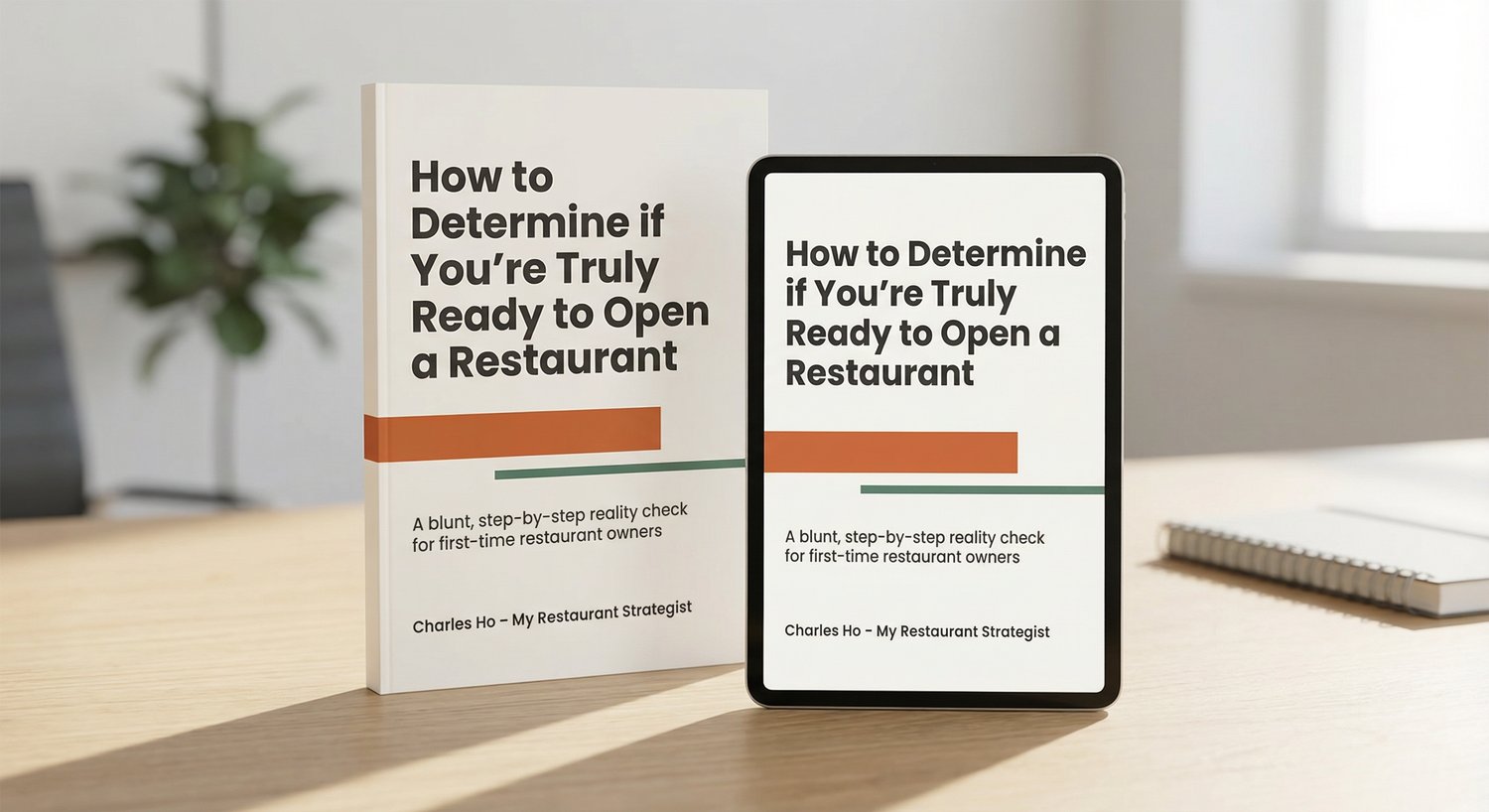
How to Determine if You’re Truly Ready to Open a Restaurant
A comprehensive self‑assessment guide for aspiring restaurant owners who want the truth before they risk their savings
Most people fall in love with the idea of owning a restaurant.
Very few understand the reality until it’s too late.
This guide, “How to Determine if You’re Truly Ready to Open a Restaurant”, is a brutally honest, step‑by‑step self‑assessment created to help you answer one critical question:
Am I really ready to open a restaurant – financially, emotionally, operationally, and personally – or am I about to make a very expensive mistake?
Instead of romantic stories and vague advice, you get a structured framework to evaluate every part of your readiness before you sign a lease, borrow money, or start a build‑out.
Who this guide is for
This guide is for you if:
- You’re an aspiring or first‑time restaurant owner seriously considering opening within the next 6–24 months.
- You want to understand exactly what you’re getting into – not just the food, but the time, stress, money, and legal reality.
- You’d rather face uncomfortable truths now than lose your savings, sanity, or family later.
This is not for you if:
- You just want motivation or someone to tell you “go for it, it’ll all work out.”
- You’re not willing to question your assumptions, your timing, or your concept.
- You have no intention of doing the work of planning, learning, and preparing.
What you’ll learn (chapter by chapter)
This is a full, structured readiness manual, not a short checklist. It walks you through:
1. The Reality Behind the Dream
Understand why 60%+ of new restaurants fail, and what actually separates survivors from casualties:
- The romance trap of restaurant ownership
- What this guide will help you do: trade fantasy for a practical success framework
2. The Demands of Restaurant Ownership
A clear look at what you’re really signing up for:
- Time commitment: 60–80 hour weeks, 7 days a week in year one
- Impact on family, health, and social life – missed birthdays, holidays, and rest
- Emotional resilience: handling criticism, bad reviews, staff drama, and cash‑flow anxiety
- Financial readiness: startup capital vs. operating cushion, hidden expenses, realistic investment ranges
- Why industry experience (front and back of house) dramatically changes your odds of survival
3. Conducting Your Personal Readiness Self‑Assessment
A structured self‑audit across four critical dimensions:
- Financial Health:
- Personal financial checklist (savings, credit, debt, obligations, burn rate)
- Tools you should be using (cash‑flow forecasting, break‑even analysis)
- When you must get professional help
- Industry Knowledge & Skills:
- Rate yourself from 1–5 in menu development, food safety, staff management, financial management, and more
- Identify gaps that are dangerous vs. gaps you can fix with training or mentors
- Time & Lifestyle Flexibility:
- Map your current life vs. a realistic owner’s schedule
- Identify non‑negotiables, support networks, and what will actually break under pressure
- Emotional Resilience:
- How you handle stress, conflict, criticism, and uncertainty
- Role‑play scenarios (angry customers, key staff quitting, payroll shortfalls) to test your reactions
4. Financial Planning and Funding Readiness
Where your dream meets the spreadsheet:
- True startup cost ranges for different concepts (fast casual, full‑service, fine dining)
- Detailed breakdown of equipment, build‑out, inventory, marketing, permits
- How to build a 12‑month cash‑flow forecast that isn’t based on fantasy
- Common budgeting mistakes that quietly destroy new restaurants
- Pros and cons of SBA loans, private investors, and alternative lending – and what you’re actually giving up with each
5. Industry Experience and Operational Knowledge
Why “no experience” is a giant red flag – and what to do about it:
- A practical path:
- 3–6 months in the kitchen
- 3–6 months in front of house
- 6+ months learning management and systems
- Core areas you must understand: FOH dynamics, BOH operations, inventory and vendor management
- Staff hiring, training, retention, and legal basics you cannot ignore
6. Time Commitment and Lifestyle Impact
What your day‑to‑day life will actually look like:
- A typical 15‑hour day, from opening prep to closing
- Real stories of owners who burned out vs. those who built sustainable lives
- Strategies that help: strong management, clear boundaries, deliberate scheduling
- How long it really takes before you can step back even a little (18–24 months, in most cases)
7. Emotional Resilience and Mental Preparedness
The mental game nobody talks about enough:
- Common emotional challenges: slow nights, brutal reviews, staff drama, customer abuse
- How to build mental toughness without becoming hardened or bitter
- Practical tools: mindfulness, goals, stress‑reduction habits, therapy, support groups
- Designing your support network: mentors, peers, family, professionals
8. Legal and Regulatory Readiness
The unsexy but critical side of ownership:
- Permits and licenses you’ll likely need (business, food service, liquor, building, signage, music)
- Health and safety standards that affect your layout and build‑out from the start
- Core insurances: general liability, workers’ comp, property, food contamination, liquor liability
- Why cutting corners here can shut you down overnight
9. Market Research and Location Readiness
“Location, location, location” – with actual data, not vibes:
- Defining your target customer and assessing local demand
- Tools for market and demographic research
- Evaluating visibility, access, parking, neighborhood fit, future development
- Real-world examples of a location win and a location disaster
- What to negotiate in a lease to protect yourself
10. Concept and Menu Development Readiness
Align passion with market, operations, and profit:
- Defining a clear, memorable concept in one sentence
- Testing your concept through pop‑ups, catering, or smaller formats
- Menu design through the lens of menu engineering (stars, dogs, plowhorses, puzzles)
- Pricing strategy that respects your costs and your guests
11. Marketing, Branding, Technology, and Team Readiness
All the elements that support (or sink) your launch:
- Building a coherent brand identity (visuals, story, experience)
- Core marketing channels: social, local, influencers, email – and how they work together
- Choosing essential tech and systems: POS, accounting, payroll, inventory, reservations, online ordering
- Recruiting, training, leading, and keeping a strong team in a high‑turnover industry
12. Final Self‑Assessment and Decision Framework
Pull everything together into one clear decision:
- A comprehensive scoring system (financial, operational, emotional, market readiness)
- How to interpret your total score – and what “Not Ready Yet” actually means
- Critical gaps that must be fixed before launch vs. gaps you can work on during prep
- When to delay, when to pivot, and when to confidently move forward
- A realistic 12–18 month roadmap if you are ready
What you’ll walk away with
By the end of this guide, you will have:
- A brutally honest picture of your true readiness – not just “do I love food?”
- Clarity on financial risk and whether your current resources are enough
- A deeper understanding of the lifestyle and emotional cost of ownership
- A list of specific gaps you must address before you open
- A practical framework to decide whether to:
- Move forward now
- Delay and prepare more
- Or wisely decide that ownership is not the right move (at least for now)
This guide is valuable whether you ultimately open or decide not to.
In both cases, you avoid blind, expensive mistakes.
About the author – Charles Ho
Charles Ho is a third‑generation Master Chef, restaurant consultant, and strategist with over 30 years in the food and hospitality industry.
He has:
- Opened, built, and sold his own successful restaurant in Malaysia
- Turned around struggling independent restaurants and 5‑star hotel outlets across Asia Pacific
- Trained in Malaysian Chinese cuisine and Le Cordon Bleu workshops
- Earned a B.A. (Hons) in International Business Administration and diplomas in Hotel Management and Management
- Written for food, hospitality, and restaurant management publications as a chef, critic, and consultant
Charles combines real kitchen experience, real ownership scars, and real turnaround work to give you an unfiltered, practical look at what it takes to succeed in this industry.
Format & access
- Format: Digital guide (PDF)
- Length: Comprehensive, chaptered manual with checklists, frameworks, and reflection prompts
- Delivery: Instant download via Payhip after purchase
- Use: Print it out or annotate digitally and work through it step by step
If you’re serious about opening a restaurant, don’t start with a lease or a loan application.
Start with an honest assessment.
Click “Buy Now” to get “How to Determine if You’re Truly Ready to Open a Restaurant” and find out where you really stand – before you put everything on the line.