





NARCO-SUBMARINES: THE ENGINEERING OF INVISIBILITY AT SEA
AetherisX Engineering Dossier
How improvised semi-submersibles evolved into some of the most difficult vessels to detect at sea.
What does it take to make a vessel nearly disappear in the middle of the ocean?
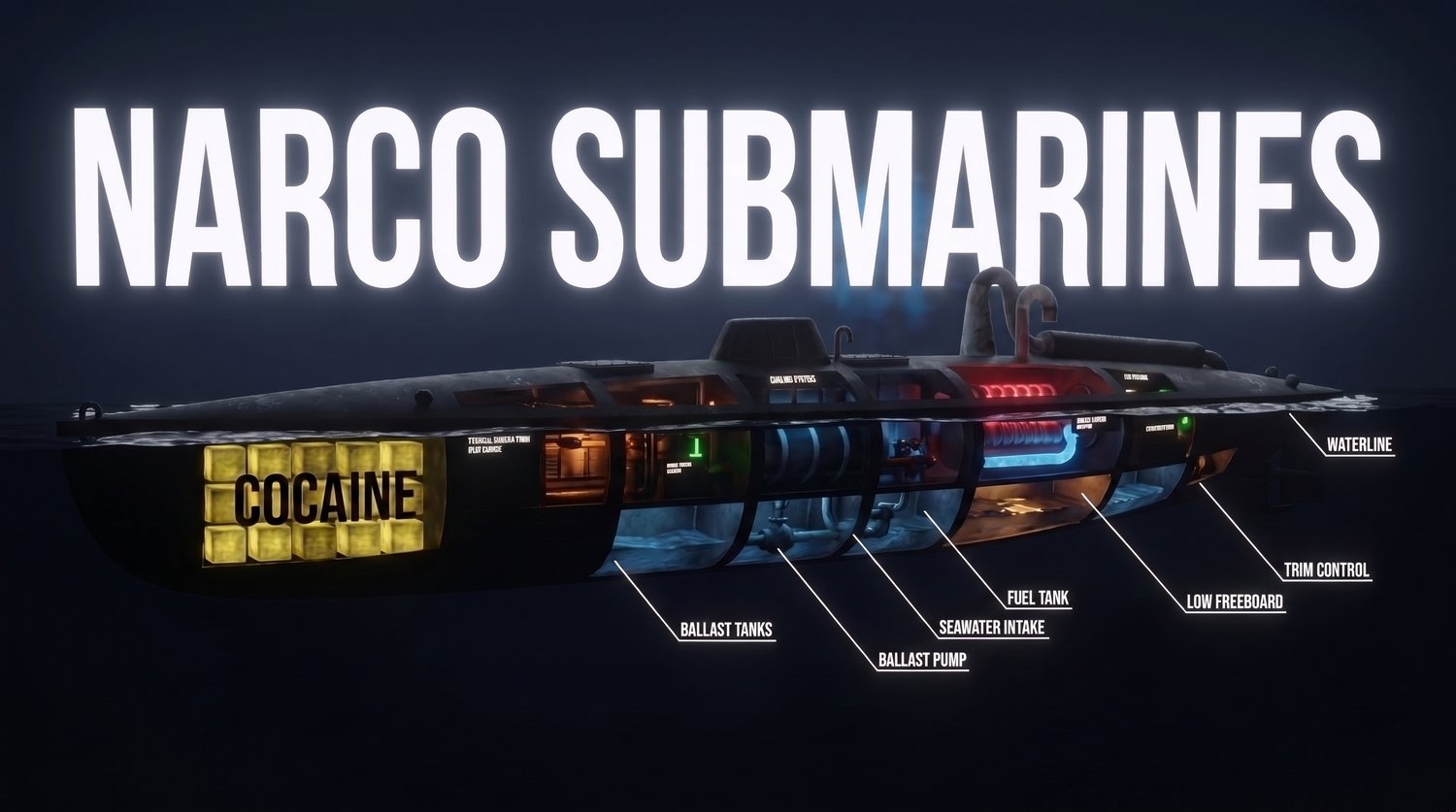
This 50-page AetherisX engineering dossier examines the technology, physics, evolution, economics, and real-world case studies behind narco-submarines and semi-submersible vessels. Rather than treating them simply as trafficking vessels, the book examines them as an extraordinary example of adversarial engineering — where every design decision exists to solve a specific detection or survival problem.
From crude fiberglass hulls built beneath the Colombian jungle canopy to fully submersible and remotely operated vessels, this dossier follows more than three decades of technological evolution.
INSIDE THE DOSSIER
01 — The Origins
Discover how expanding radar surveillance transformed maritime smuggling from a problem of speed into a problem of invisibility, leading to the emergence of the first confirmed semi-submersibles in the 1990s.
02 — Three Classes, One Objective
Explore the three major vessel families covered in the dossier: narco-torpedoes, Low-Profile Vessels (LPVs), and Fully Submersible Vessels (FSVs), including their documented differences in size, crew, payload, depth, and capability.
03 — The Physics of Invisibility
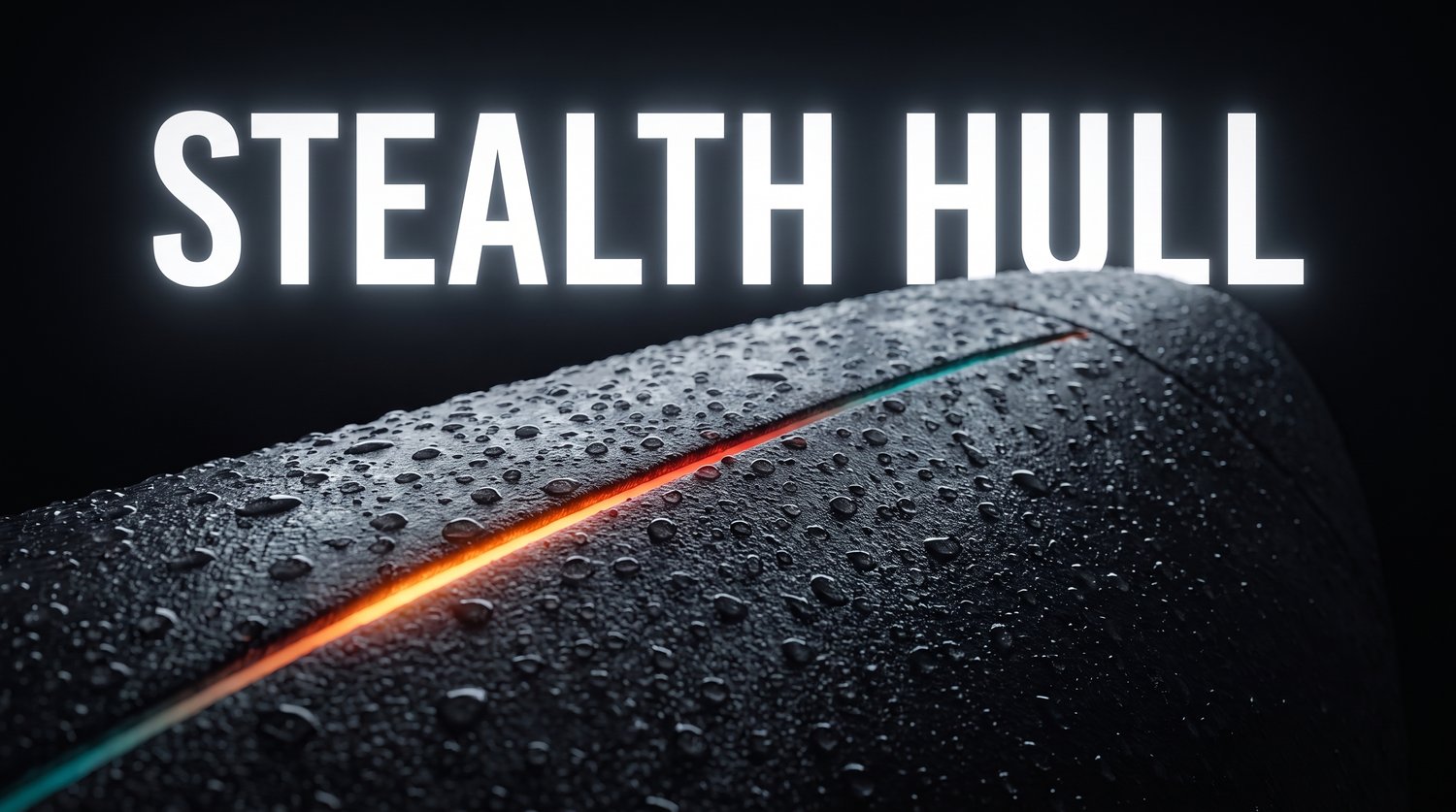
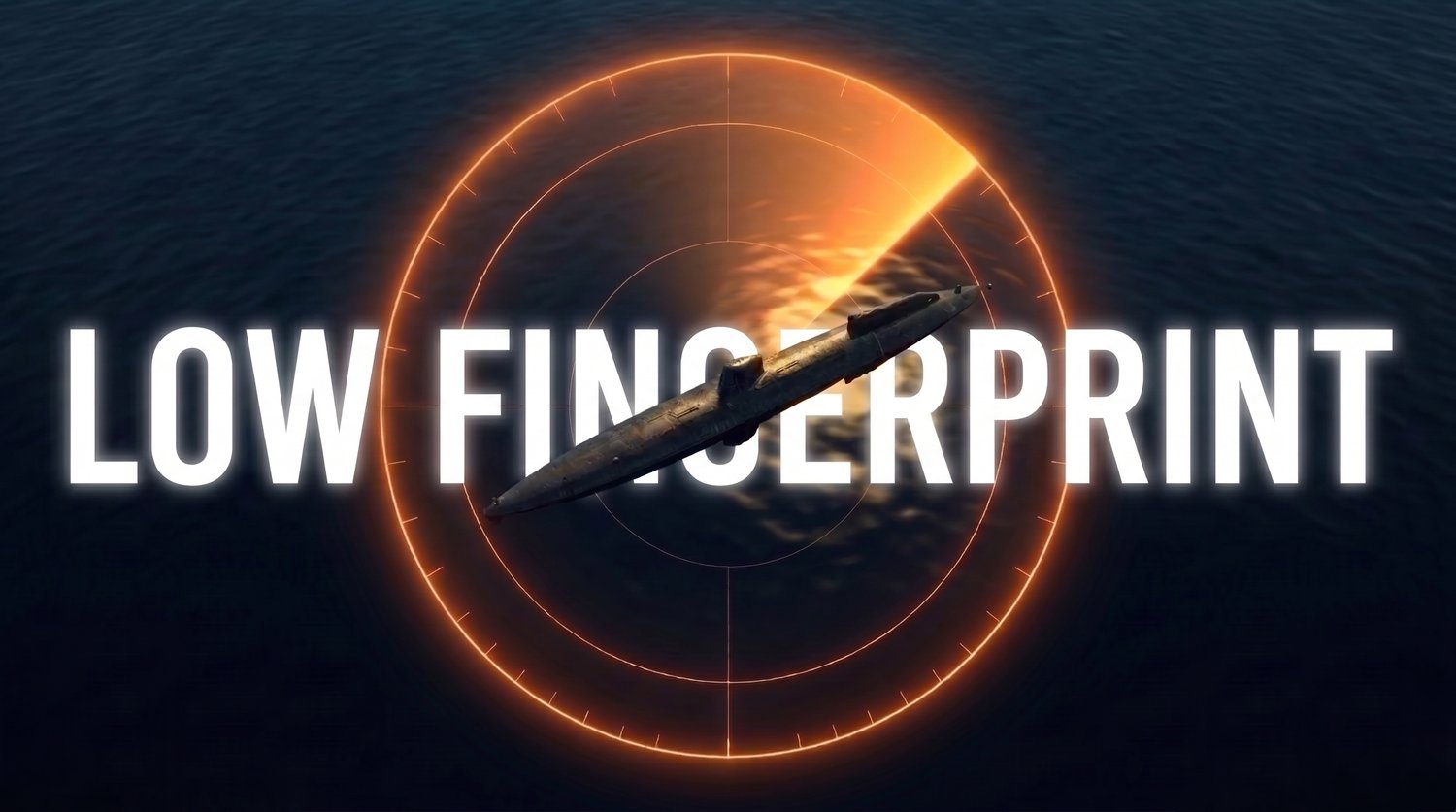
Learn why geometry, materials, and waterline height matter so much to radar detection, including radar cross-section, sea clutter, sloped surfaces, and fiberglass construction.
04 — Built in the Jungle
Examine the unusual construction environment, materials, structural philosophy, fiberglass hulls, wooden framing, reinforcement, and the informal engineering culture behind these vessels.
05 — Defeating Thermal & Acoustic Detection
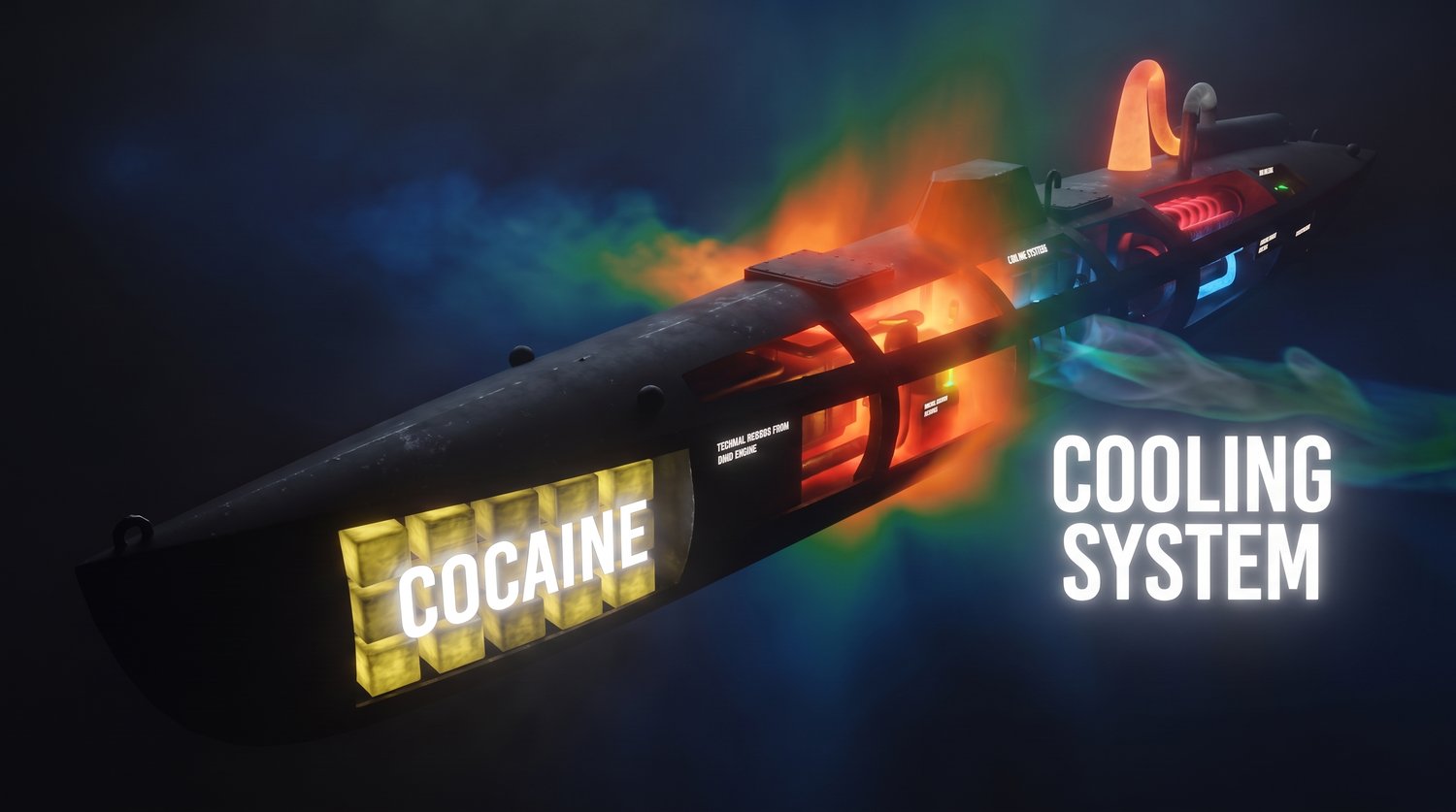
See how heat and sound become engineering problems, including underwater exhaust cooling, forced convection, engine signatures, propeller cavitation, and acoustic detection.
06 — Buoyancy, Ballast & Staying Low
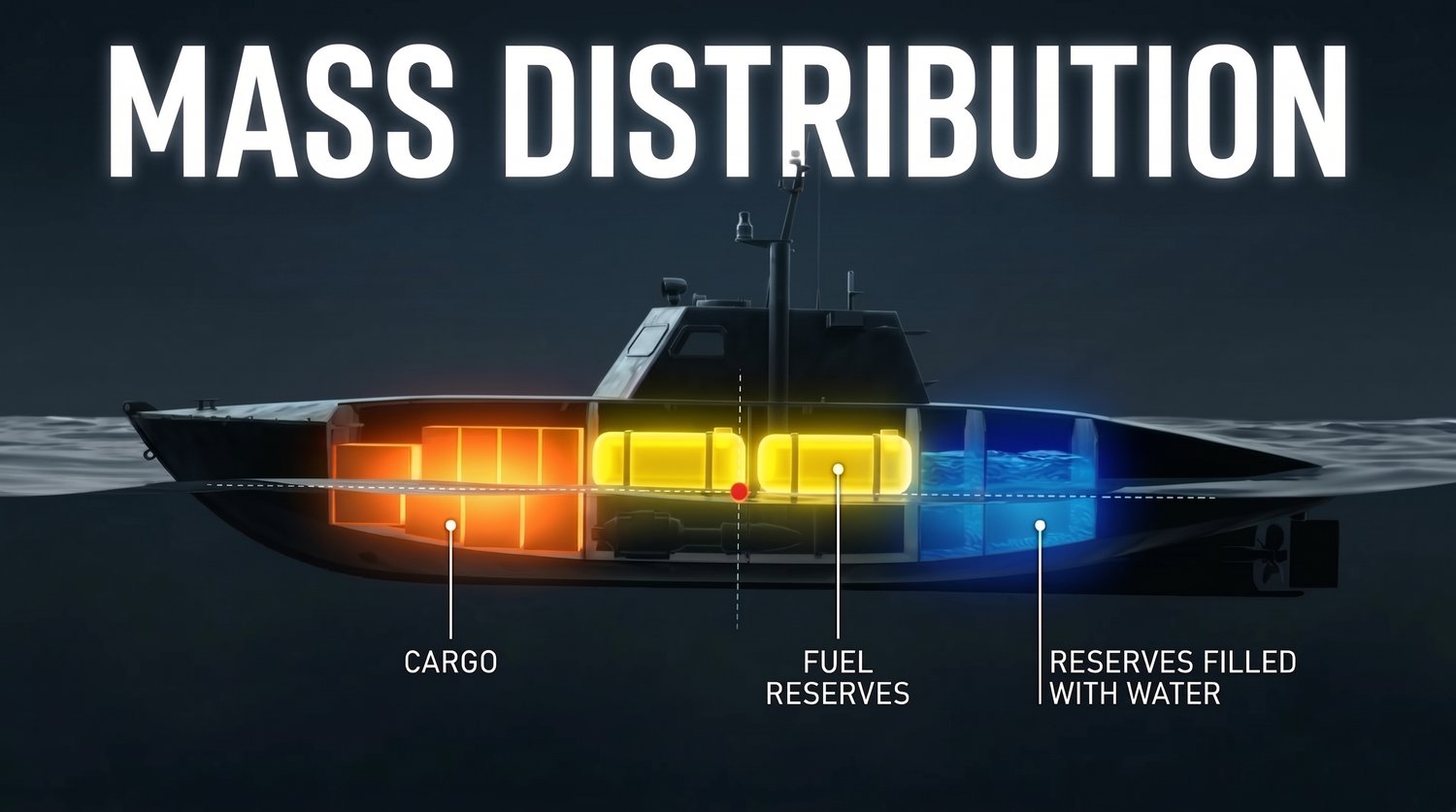
Understand the fluid-dynamics problem of maintaining extremely low freeboard as fuel is consumed, and how ballast, trim, displacement, and stability interact during a long voyage.
07 — Navigation & the Rise of the Drone Sub
Follow the evolution from dead reckoning and basic navigation to GPS-enabled vessels and the emergence of remotely operated, satellite-connected platforms.
08 — Life Aboard
A closer look at the human cost of the technology: cramped compartments, heat, extreme noise, ventilation problems, engine hazards, crew conditions, and legal exposure.
09 — The Economics
Understand the financial forces that make an extremely risky, disposable vessel economically viable, and why the value of the cargo can justify extraordinary engineering expenditure.
10 — Four Vessels That Changed the Story
Examine documented vessels and milestones including “Bigfoot,” the first confirmed fully submersible vessel, the 2019 Galicia crossing, and a battery-electric submarine design.
11 — The Scuttling System
Explore the engineering and legal significance of the systems designed to sink a vessel when interception becomes unavoidable, and how legislation changed the consequences of that tactic.
12 — Hunting Ghosts
See how maritime authorities counter these vessels using radar, infrared, magnetic and acoustic detection, satellite imagery, intelligence, and coordinated international operations.
13 — The Next Arms Race
The dossier concludes by examining autonomy, remote operation, satellite connectivity, electric propulsion, and what the next generation of this engineering arms race may look like.
WHAT YOU GET
• 50 pages of engineering-focused content
• 13 detailed chapters plus conclusion
• Technical explanations of radar, infrared, acoustics, buoyancy, ballast, propulsion, and marine structures
• Comparative analysis of three vessel classes
• Detailed real-world case studies
• Engineering terminology glossary
• Sources and further reading
• Original AetherisX diagrams, charts, and layout
• A serious documentary presentation designed for readers interested in engineering, physics, naval technology, maritime security, and hidden technology
The dossier includes a technical quick-reference section covering documented figures such as typical LPV dimensions, freeboard, crew size, construction cost estimates, and vessel classes, while emphasizing that individual vessels vary considerably.
WHY THIS BOOK IS DIFFERENT
Most coverage focuses on the criminal story.
AetherisX focuses on the engineering.
- Why does lowering a vessel by inches matter to radar?
- How can exhaust hotter than 600°C be hidden beneath the ocean surface?
- How does a vessel remain at nearly constant freeboard as thousands of gallons of fuel are consumed?
- Why does fiberglass change the detection problem?
- How did these vessels progress from crude wooden semi-submersibles to autonomous, satellite-connected platforms?
This dossier connects those questions through physics, engineering, documented vessels, and the technological arms race between concealment and detection.
IMPORTANT NOTE
This is an engineering and educational dossier based on publicly documented information, including public reporting, court records, naval and law-enforcement statements, and open technical literature. It is intended to explain the technology and its historical development, not to provide operational guidance for constructing or operating such vessels.