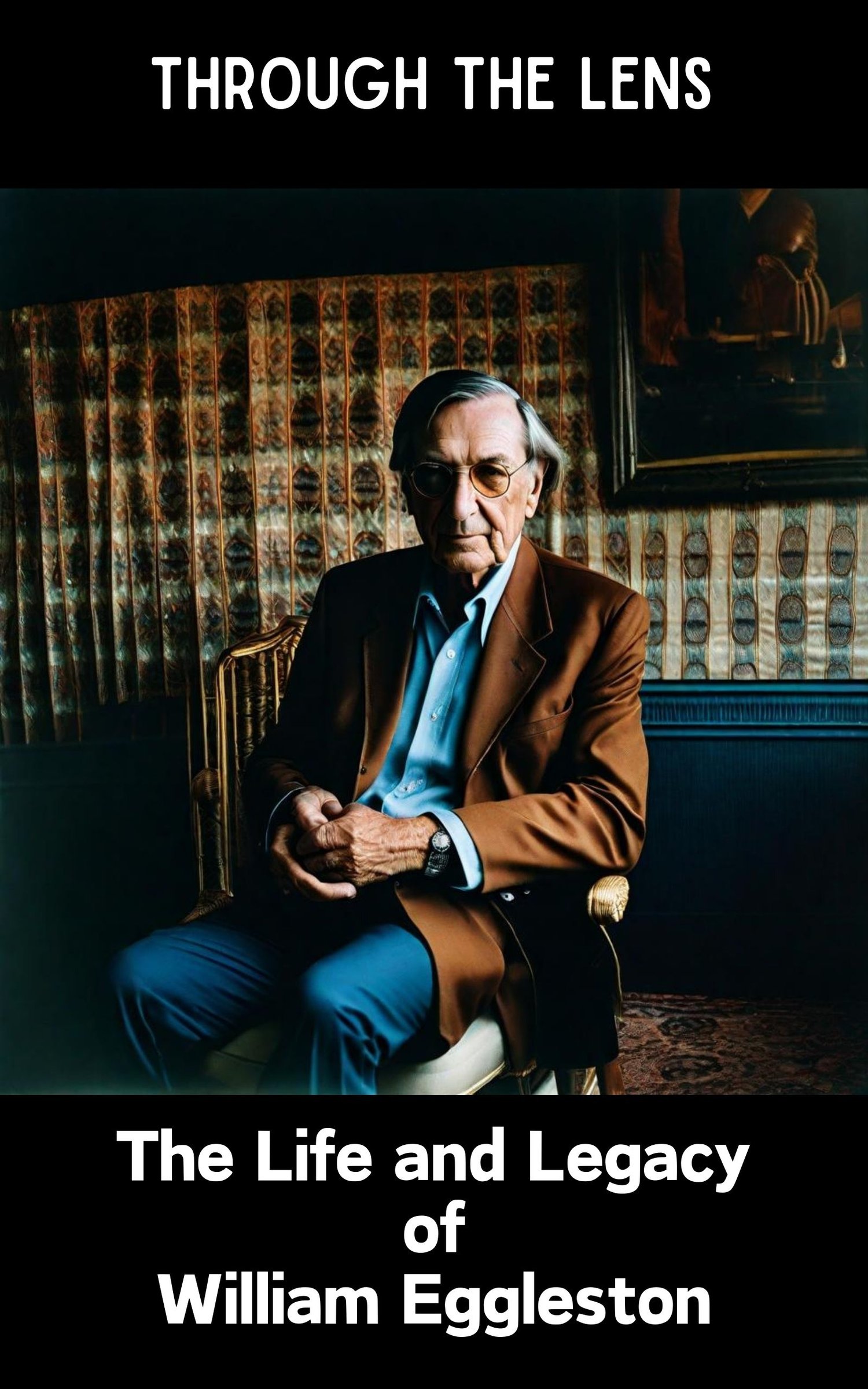
Through the Lens : The Life and Legacy of William Eggleston
William Eggleston, often hailed as the pioneer of color photography, has left an indelible mark on the world of art and photography. His unique vision and revolutionary approach to capturing everyday life have reshaped the way we perceive and appreciate the world around us.
Born in 1939 in Memphis, Tennessee, Eggleston began his photographic journey in the 1960s, at a time when black and white photography dominated the art world. However, Eggleston saw the world differently. He believed that color was an essential component of photography, capable of conveying emotions and narratives in ways that black and white could not.
Eggleston's breakthrough came in 1976 with the exhibition of his series "Color Photographs" at the Museum of Modern Art in New York. The exhibition, although initially met with skepticism and controversy, soon garnered critical acclaim for its bold use of color and its unflinching portrayal of everyday life in the American South.
One of Eggleston's most iconic images is "Untitled (Memphis)," a photograph of a tricycle abandoned on a sidewalk. Through his lens, mundane objects and scenes were transformed into works of art, imbued with a sense of mystery and beauty. Eggleston's mastery of color and composition allowed him to capture the essence of his surroundings, revealing the hidden poetry in the seemingly ordinary.
Throughout his career, Eggleston continued to push the boundaries of photography, experimenting with new techniques and technologies. His work has inspired generations of photographers and artists, influencing movements such as New Topographics and color photography as a whole.
Beyond his artistic achievements, Eggleston's legacy lies in his ability to challenge conventions and redefine the possibilities of photography. By elevating the everyday to the realm of art, he invited viewers to see the world with fresh eyes and appreciate the beauty in the seemingly mundane.
Today, William Eggleston's work continues to be celebrated and studied around the world, a testament to his enduring impact on the art of photography. Through his lens, we are invited to explore the rich tapestry of human experience and discover the extraordinary in the ordinary.