
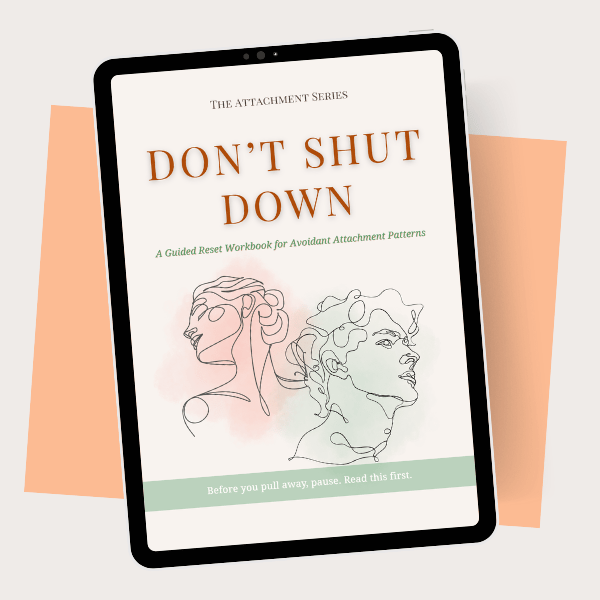

DON'T SHUT DOWN
A Guided Reset Workbook for Avoidant Attachment Patterns
Initially, this was just a personal, reflective practice for myself. However, I decided to turn this into a workbook when I kept seeing avoidants get villainized in a community—again—for patterns they didn't choose and behaviors they didn't even know they had.
Because in the first place, it's hard to unlearn what you never knew you learned. Avoidants didn't choose to be like this. The pulling away, the disappearing, the walls—these are all survival responses that are learned early but are unknowingly reinforced over the years.
You didn't build those walls because you don't care. You built them because caring felt dangerous.
And for the person loving them — understanding this might change everything too.
This workbook isn't here to turn you into someone who overshares or performs vulnerability. It's here for the moment when you feel the urge to shut down, and you want to try, just a little bit, to stay.
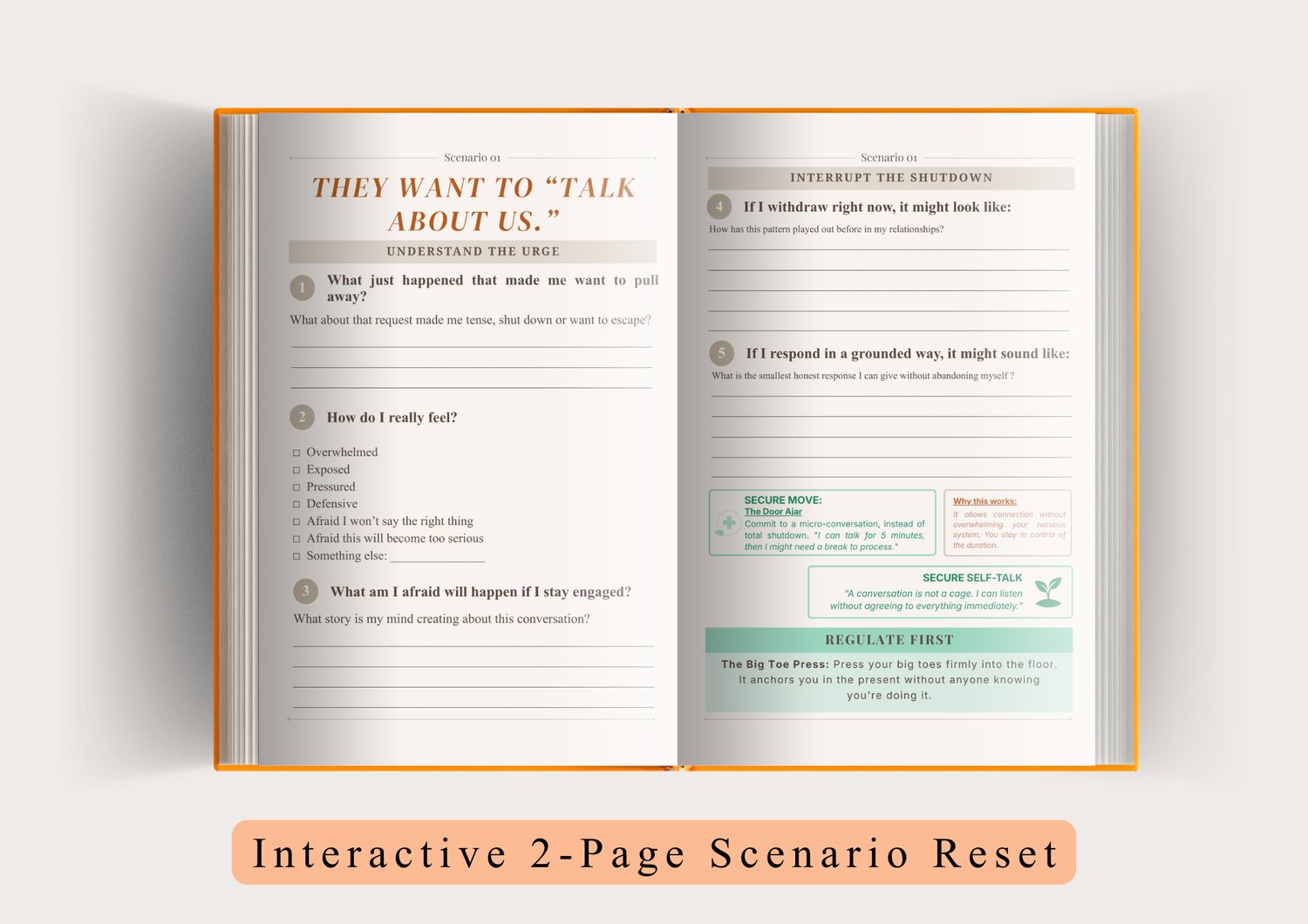
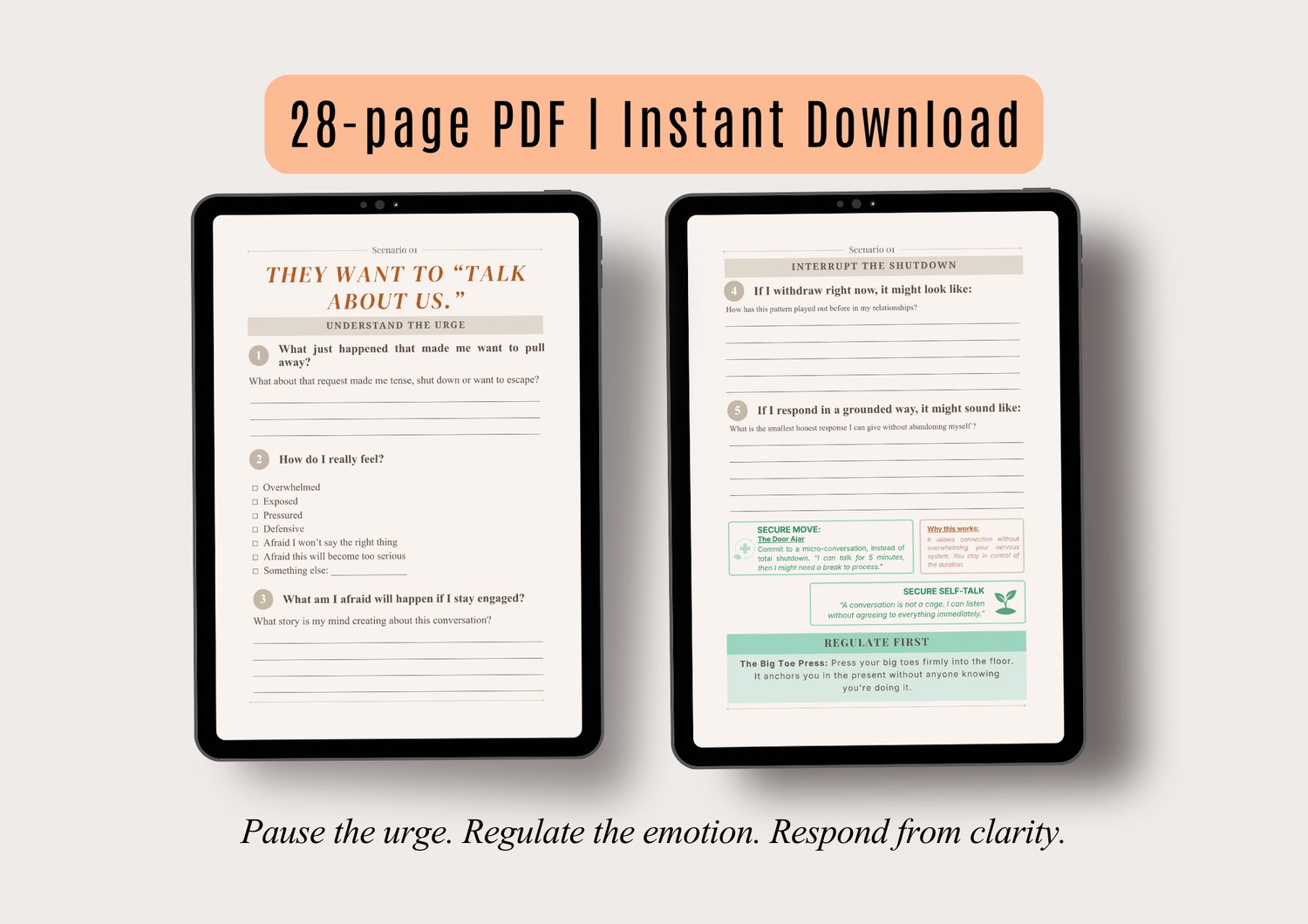
Each scenario walks you through what's actually happening underneath the shutdown, gives you language for asking for space without burning the bridge, and offers physical reset techniques that are invisible. Nothing clinical but they are minimal and quiet ways to regulate, so you can come back.
No one is irredeemable. Not you. Not the version of you that disappeared last week.
And I genuinely believe that — because I'm working on it too.
What's Inside
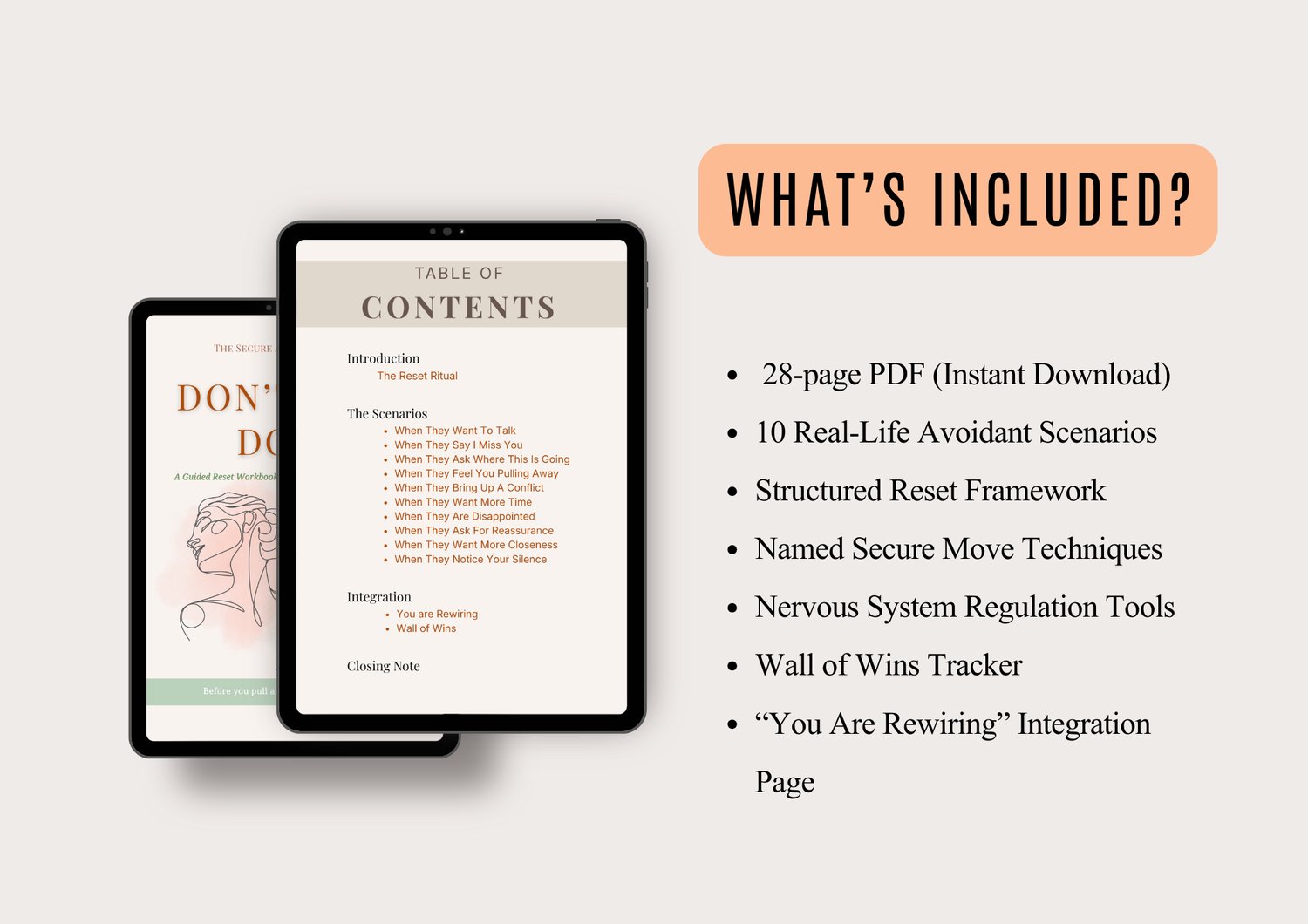
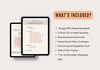
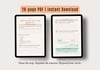
- 28-page guided PDF workbook
- 10 real-life avoidant scenarios
- Pattern-identifying prompts
- Named Secure Moves
- Grounded self-talk reframes
- Invisible nervous system reset techniques
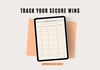
- Wall of Wins tracker
- 'You Are Rewiring' integration page
- Bonus: In a separate PDF, I included a fillable version that you can fill for your own personal scenarios
This workbook is meant to complement — not replace — professional support. It is not therapy. It's a behavioral pattern interrupt for the moments between sessions, or for people who aren't ready for therapy yet.
Best for: Avoidant attachers, fearful avoidants, dismissive avoidants who want to stay but don't know how.