

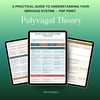
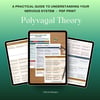
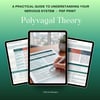
Polyvagal Theory + Bonus Guide 100 Activities
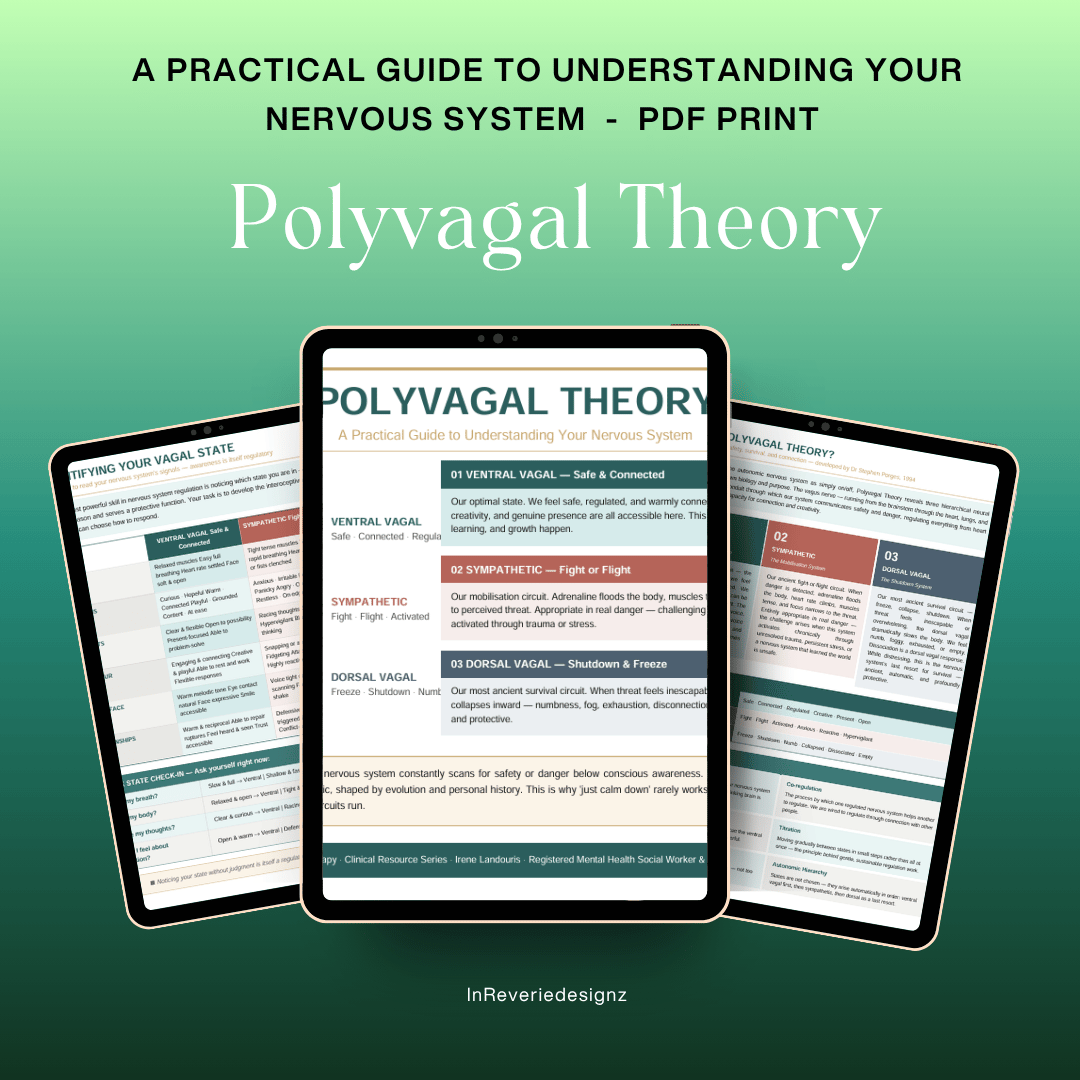
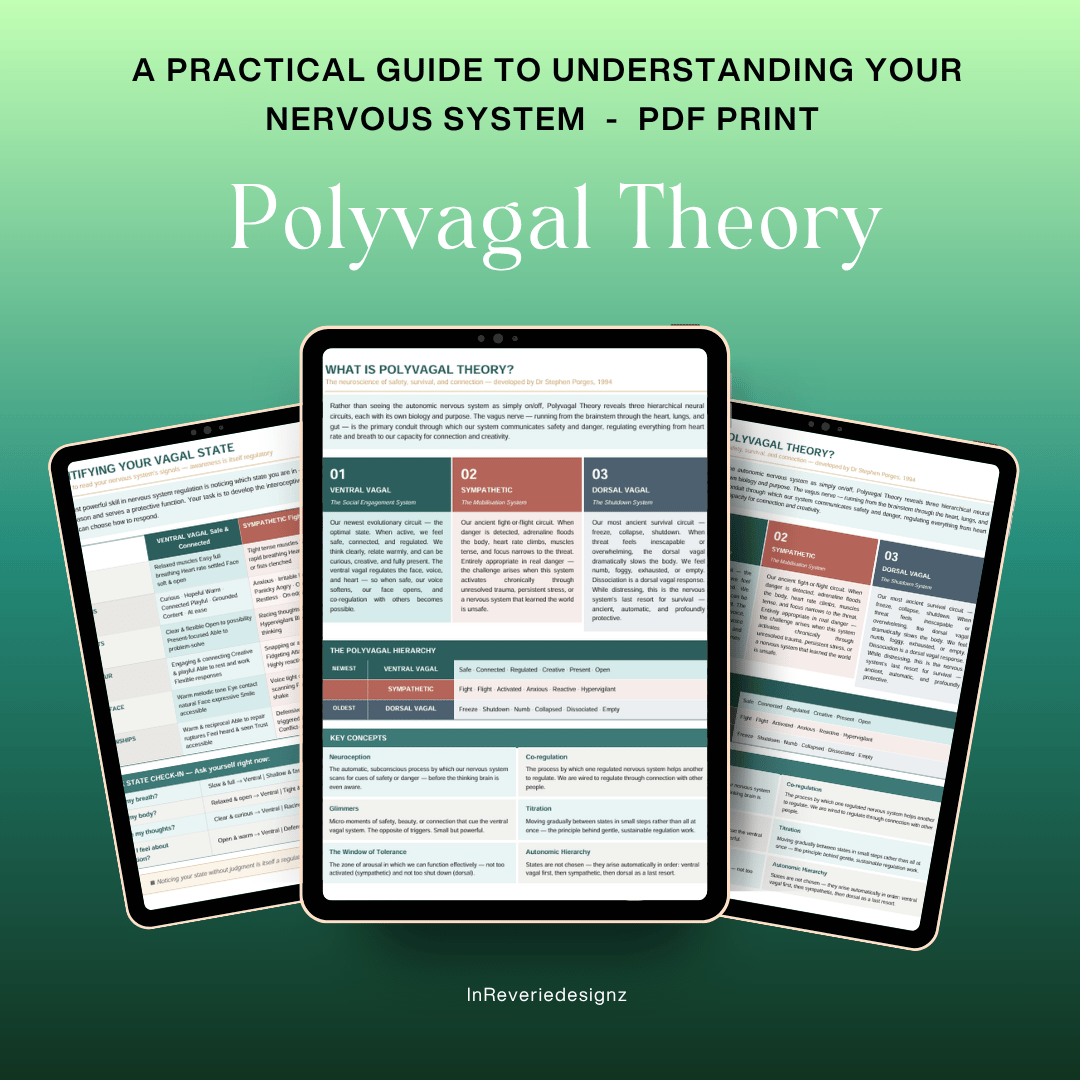
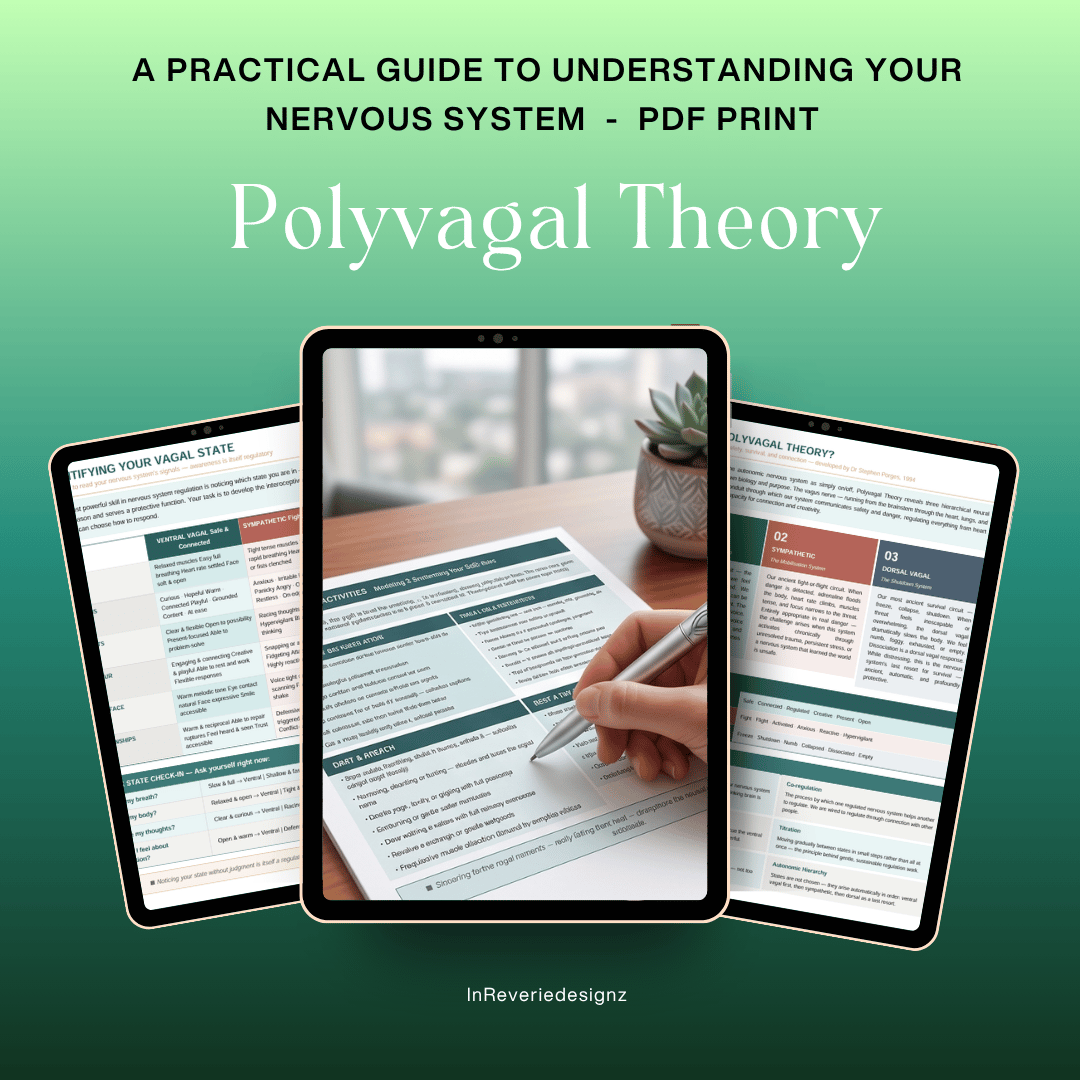
PDF 1 — Polyvagal Theory: A Practical Guide (7 pages)
A comprehensive, clinically grounded psychoeducation guide covering everything your clients need to understand their nervous system.
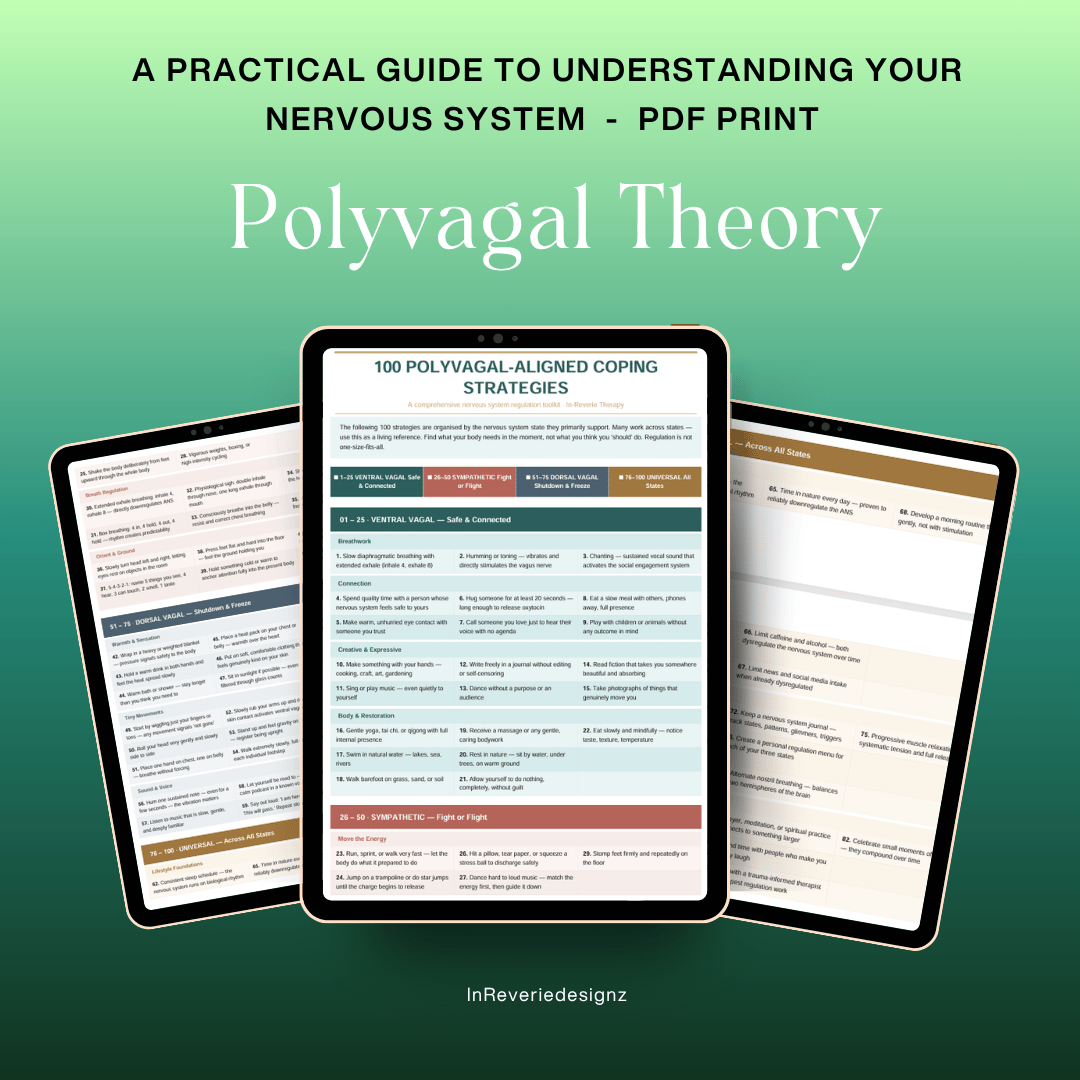
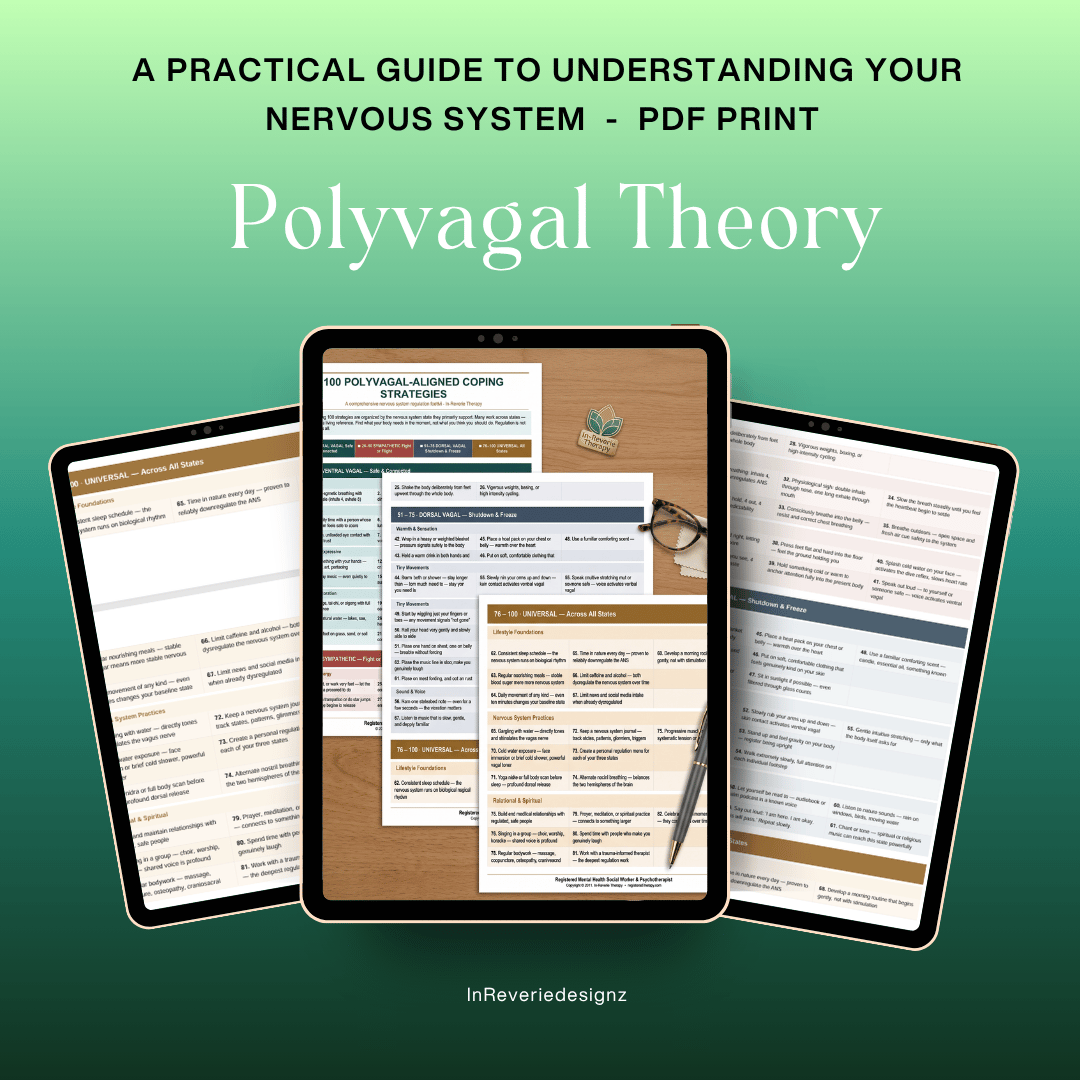
PDF 2 — 100 Polyvagal-Aligned Coping Strategies (BONUS)
A standalone reference document with 100 evidence-informed regulation strategies organised by nervous system state.
INSIDE THE MAIN GUIDE:
✦ What is Polyvagal Theory — the three neural circuits explained in accessible language, including the polyvagal ladder visual
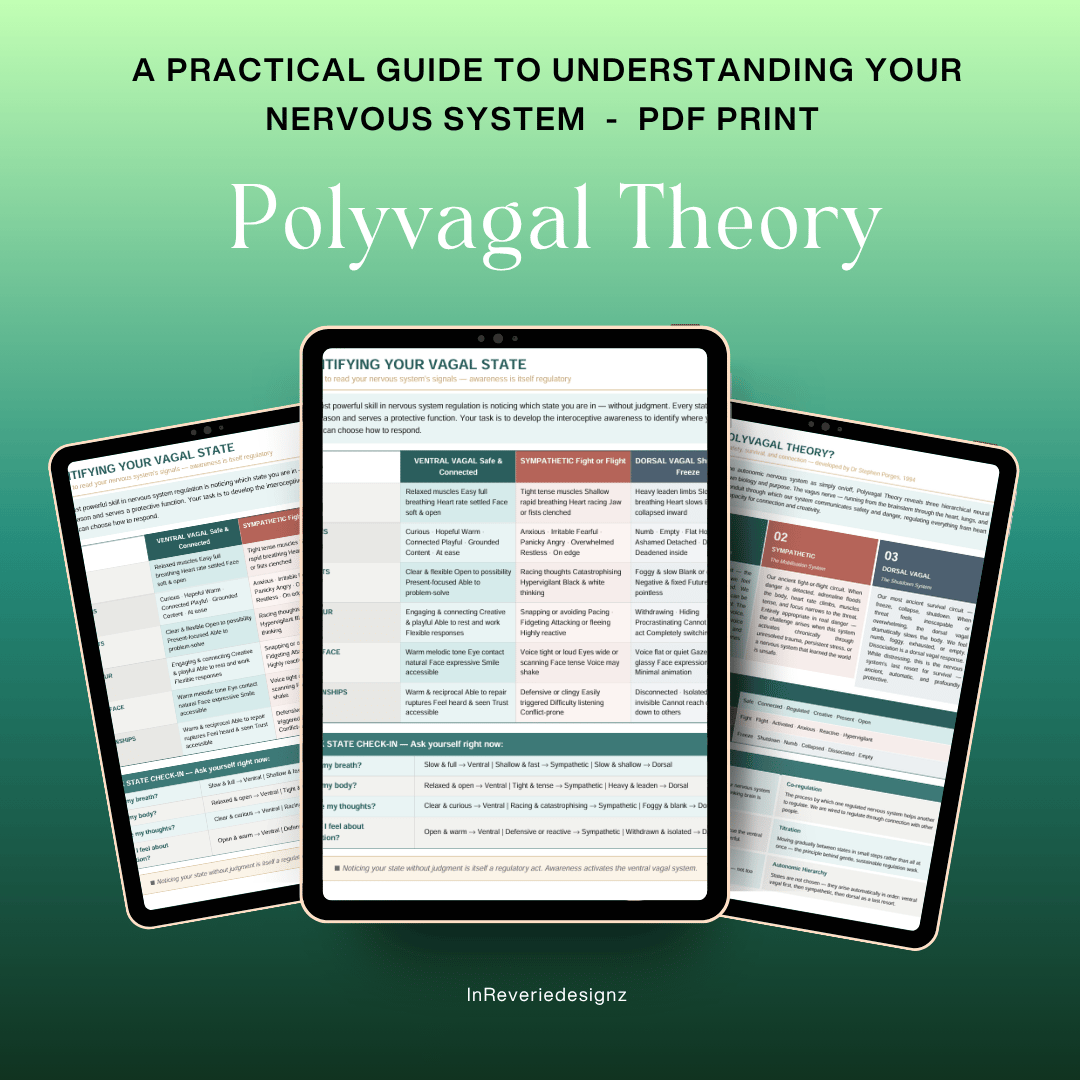
✦ Identifying Your Vagal State — a full comparison table covering body, emotions, thoughts, behaviour, voice, and relationships across all three states
✦ Build Your Own Ladder — personalised fill-in prompts to map your own triggers, glimmers, and state signatures
✦ Activities for Each State — ventral vagal, sympathetic, and dorsal vagal each have a dedicated page of evidence-informed practices
✦ Universal Regulators — lifestyle foundations that support all three states
INSIDE THE BONUS PDF:
100 numbered, categorised coping strategies spanning:
— Ventral Vagal: connection, breath, creativity, rest
— Sympathetic: movement, grounding, breath regulation, co-regulation
— Dorsal Vagal: warmth, tiny movements, sound, gentle connection
— Universal: lifestyle, nervous system practices, relational and spiritual tools
WHO THIS IS FOR
This bundle was designed for two audiences and works beautifully for both:
For therapists, counsellors, psychologists, and coaches — a ready-made psychoeducation resource to use directly with clients, display in your therapy room, or include in client welcome packs.
For general buyers — anyone navigating anxiety, trauma responses, burnout, or disconnection who wants to understand what is actually happening in their body and what to do about it.
CREATED BY A CLINICIAN
This resource was developed by Irene Landouris, Registered Mental Health Social Worker and Psychotherapist with over 20 years of clinical experience. The content is grounded in the work of Dr Stephen Porges and Deb Dana, and reflects genuine clinical practice — not generic wellness content.