

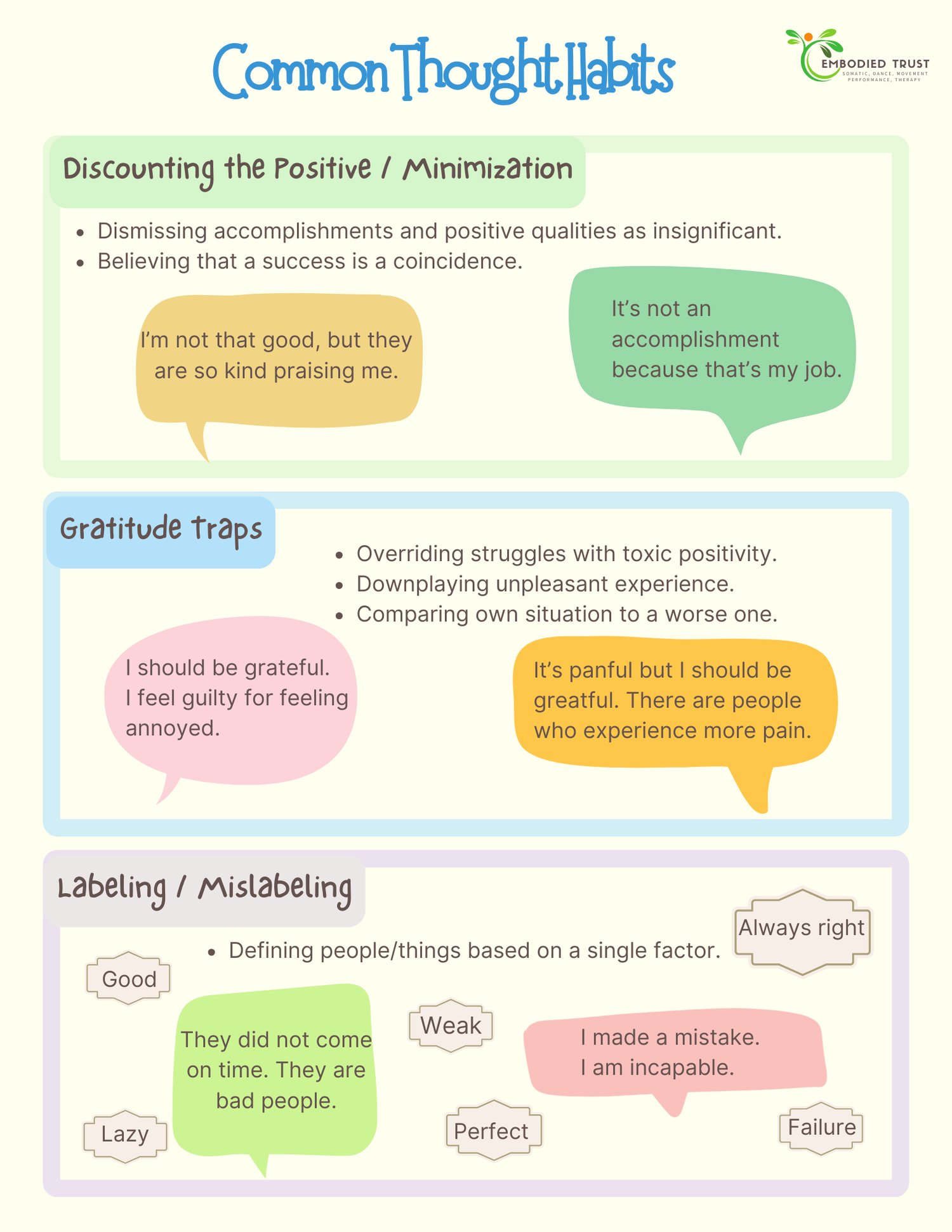
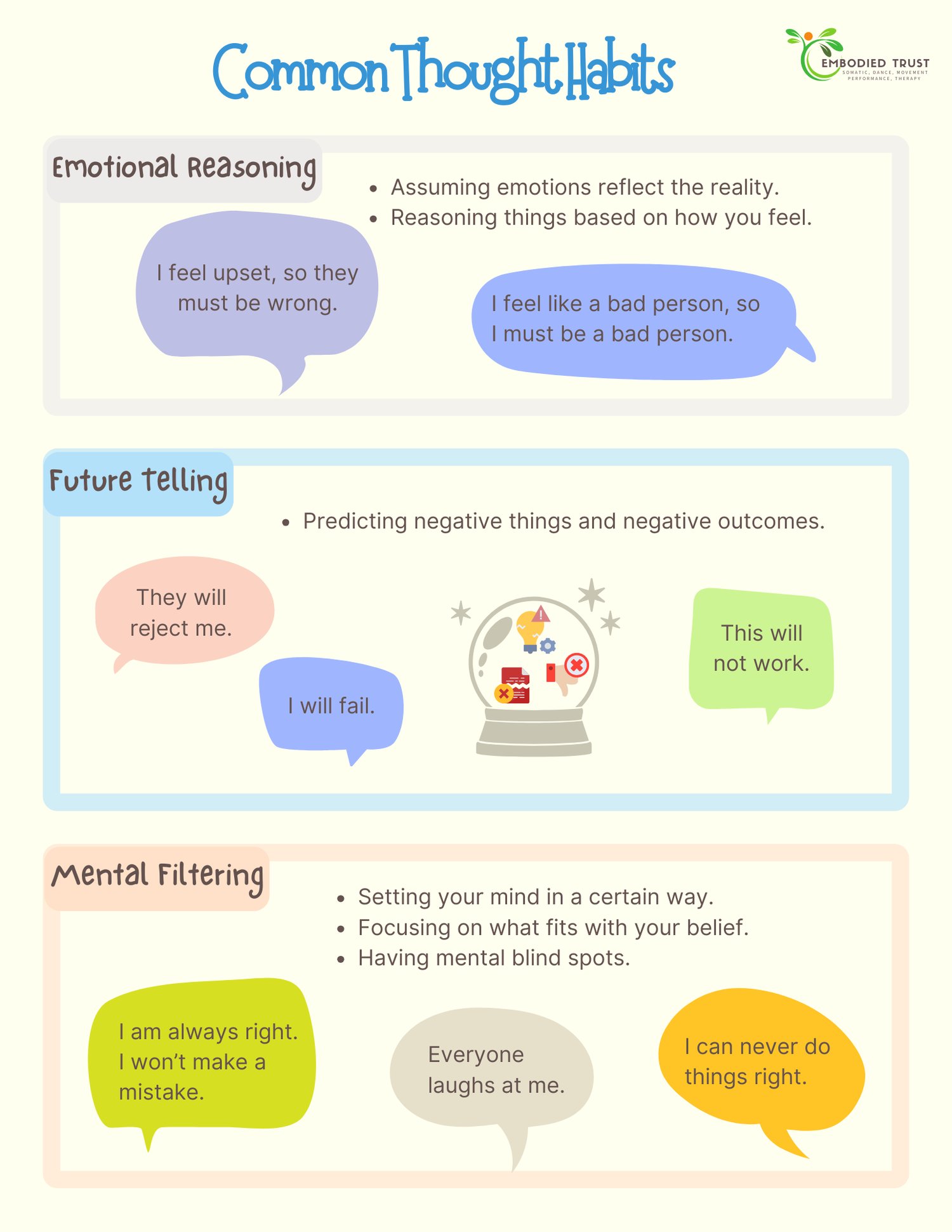
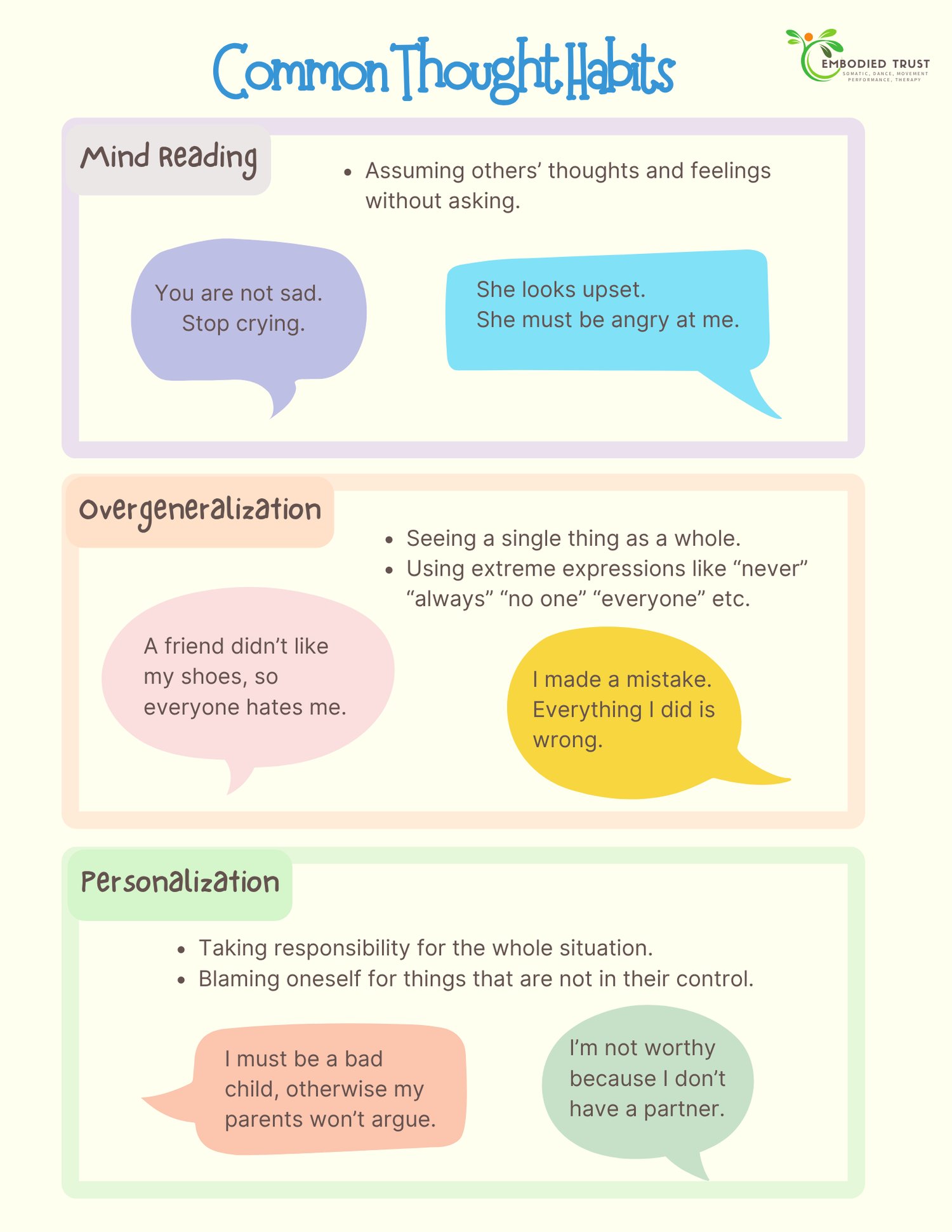
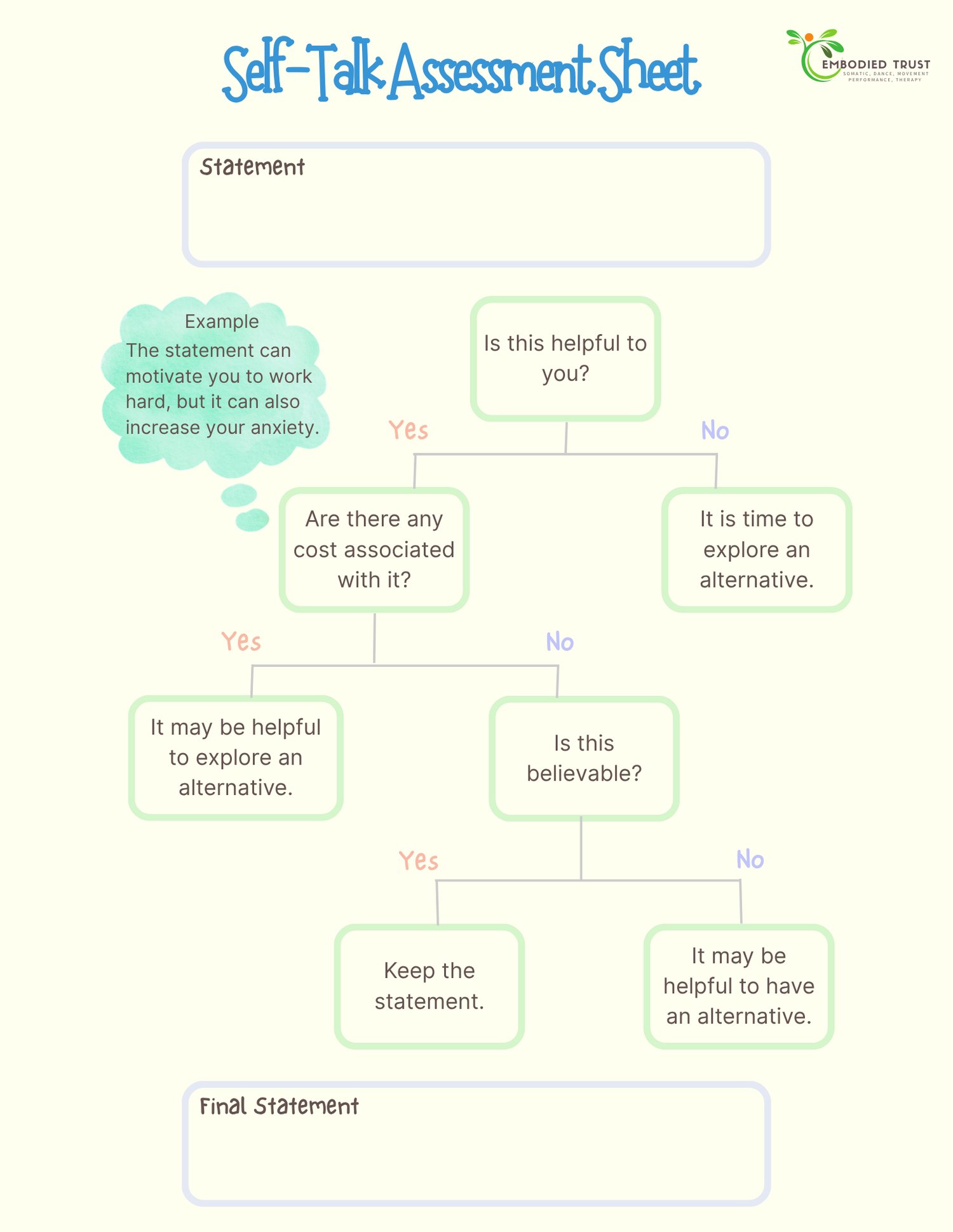
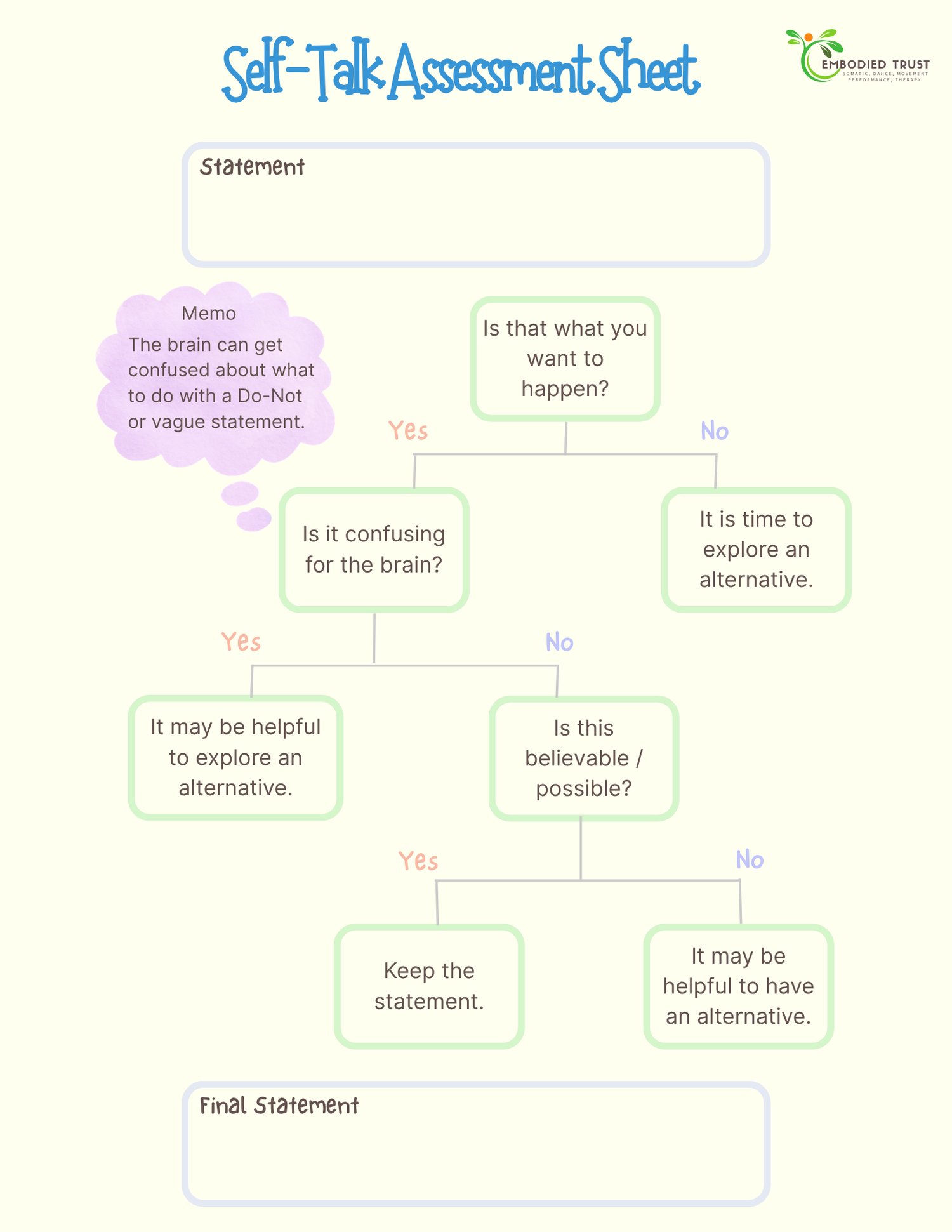
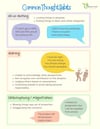
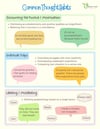
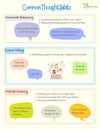
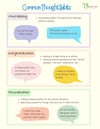
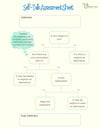
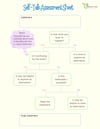
Self-Talk and Thought Habits Worksheets
What do you think and tell yourself everyday?
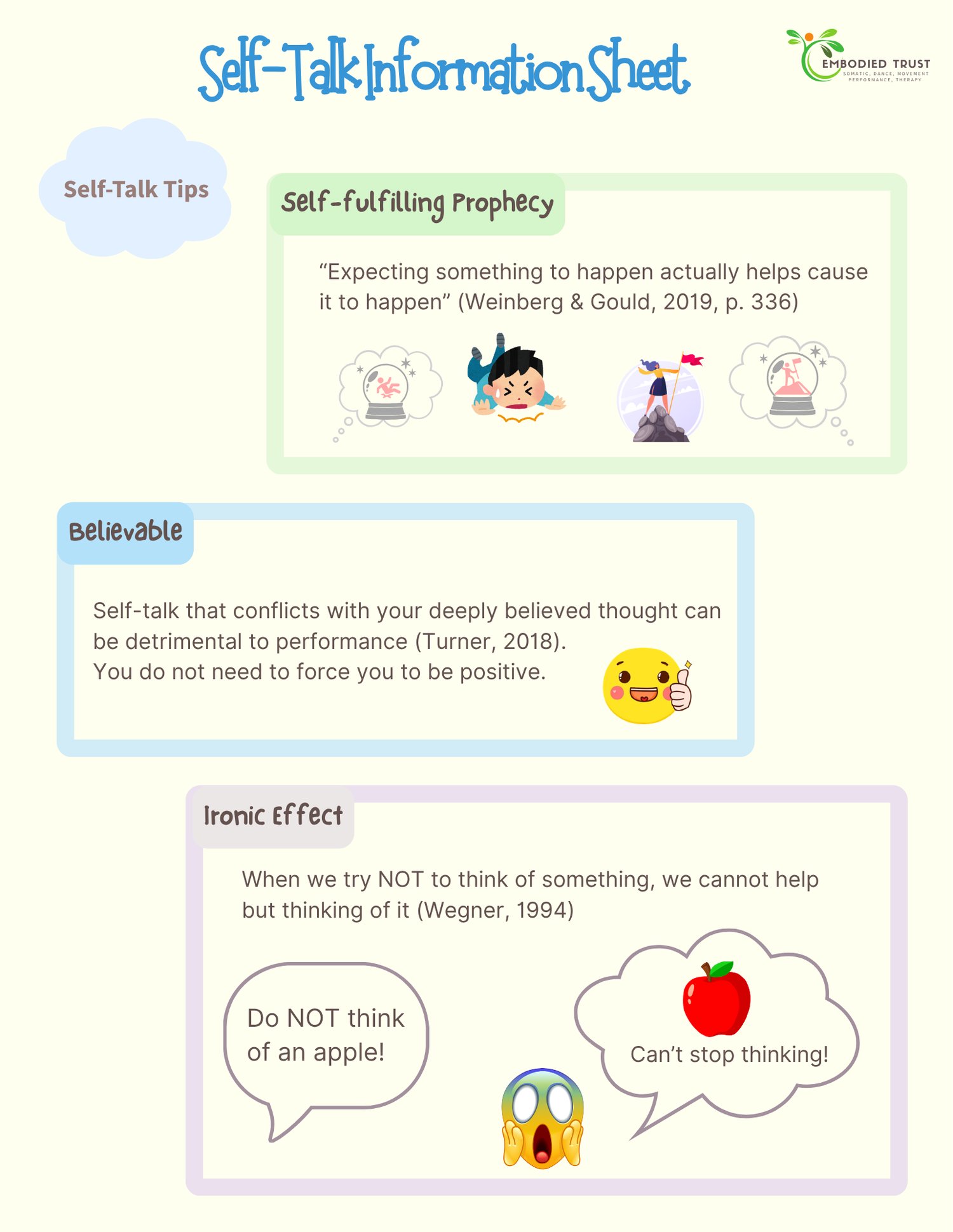
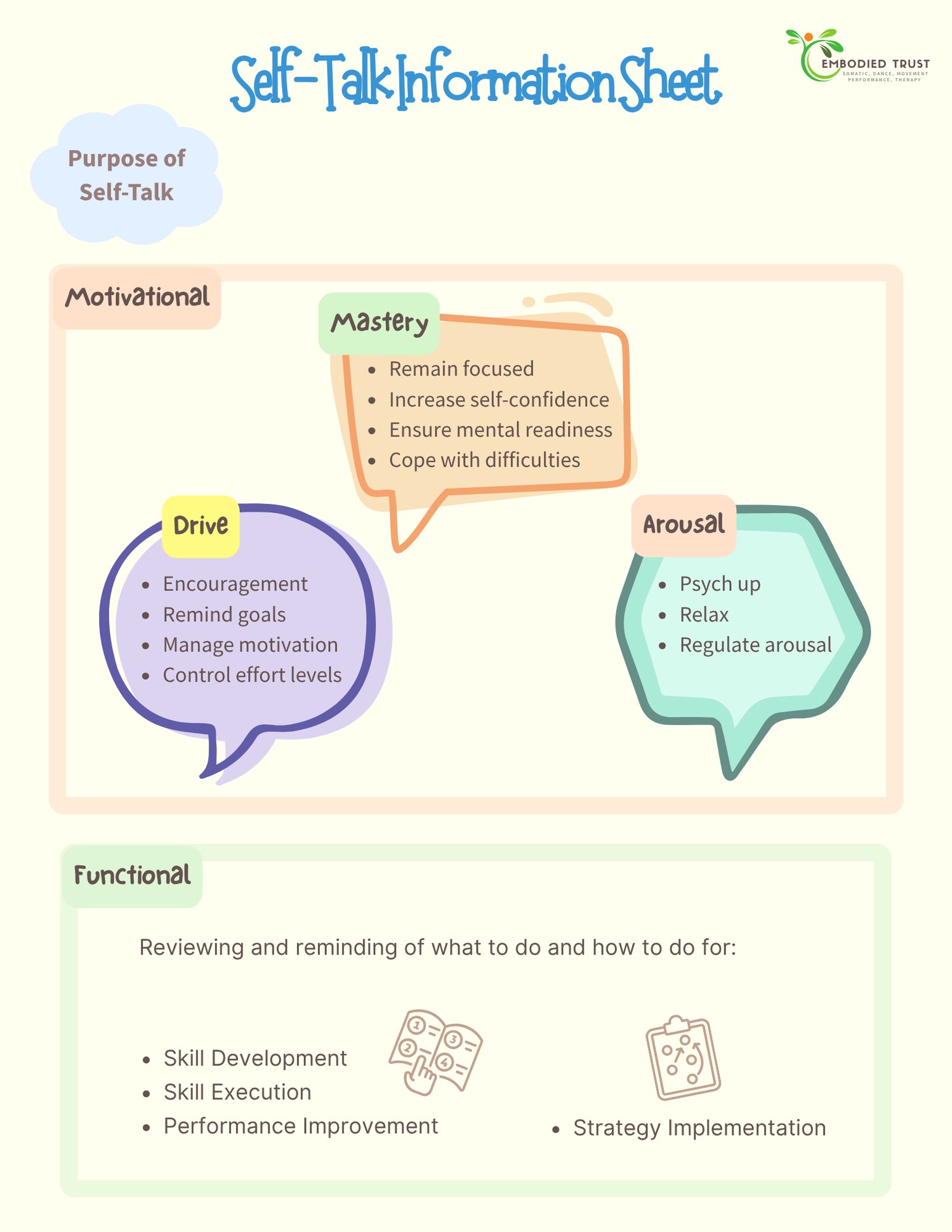
Consciously or not, our self-talk can indicate our mindset, set the tone for our experiences, and influence our mood, motivation, and performance.
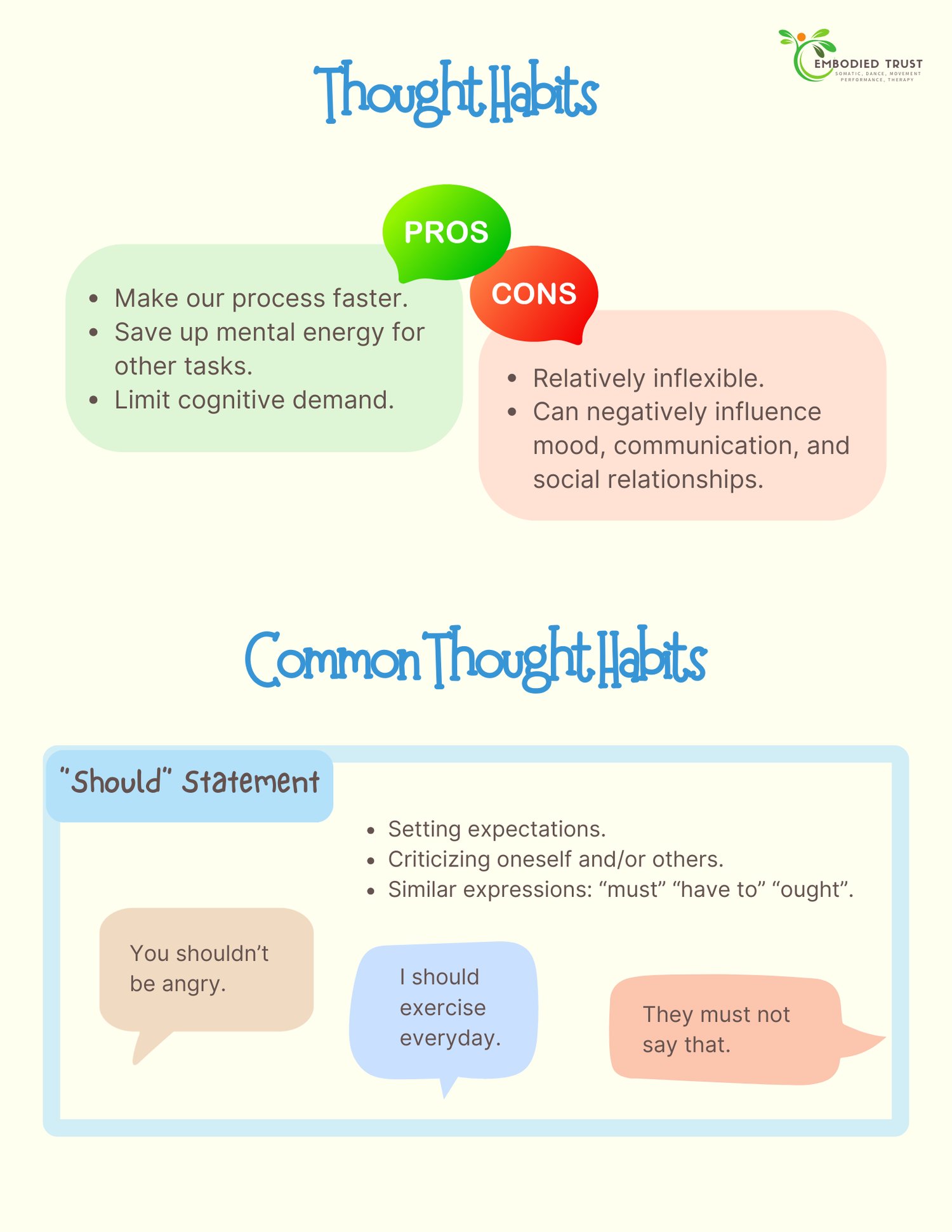
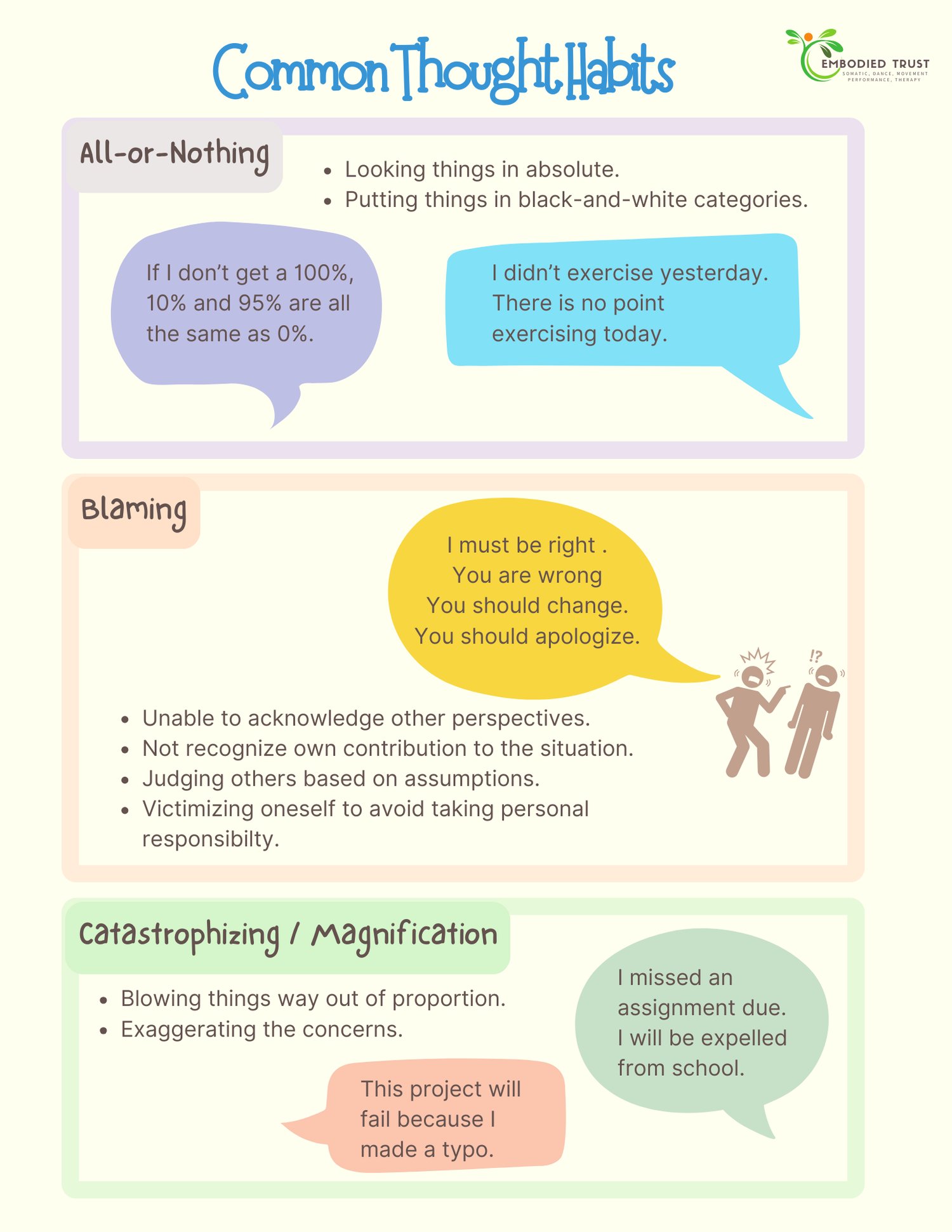
By exploring our self-talk, we can notice unhelpful thought habits and make adjustments to feel and perform better.
References
Hardy, J., Gammage, K., & Hall, C. (2001). A Descriptive Study of Athlete Self-Talk. Sport Psychologist, 15(3), 306-318.
Hardy, J., Hall, C. R., & Hardy, L. (2005). Quantifying athlete self-talk. Journal of Sports Sciences, 23(9), 905–917.
Turner, M. J., Kirkham, L., & Wood, A. G. (2018). Teeing up for success: The effects of rational and irrational self-talk on the putting performance of amateur golfers. Psychology of Sport & Exercise, 38, 148-153. https://doi.org/10.1016/j.psychsport.2018.06.012
Wegner, D. M. (1994). Ironic processes of mental control. Psychological Review, 101(1), 34–52. https://doi.org/10.1037/0033-295X.101.1.34
Weinberg, R. S. & Gould, D. (2019). Foundations of sport and exercise psychology (7th ed.). Human Kinetics.
Disclaimer for Use with Worksheet
This worksheet is made for informational and educational purposes only. It is not intended as medical, licensed professional counseling, or other healthcare advice.
The information in this worksheet is not intended to (i) replace a one-on-one relationship with a qualified health care professional, (ii) create a provider-patient relationship or a collaborative relationship, or (iii) create a duty for us to follow up with you.