



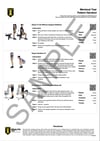
Elbow Sprains / Strains Patient Handout
Clinical Resource Announcement: Elbow Sprain & Strain Rehabilitation Guide
Clinical Overview
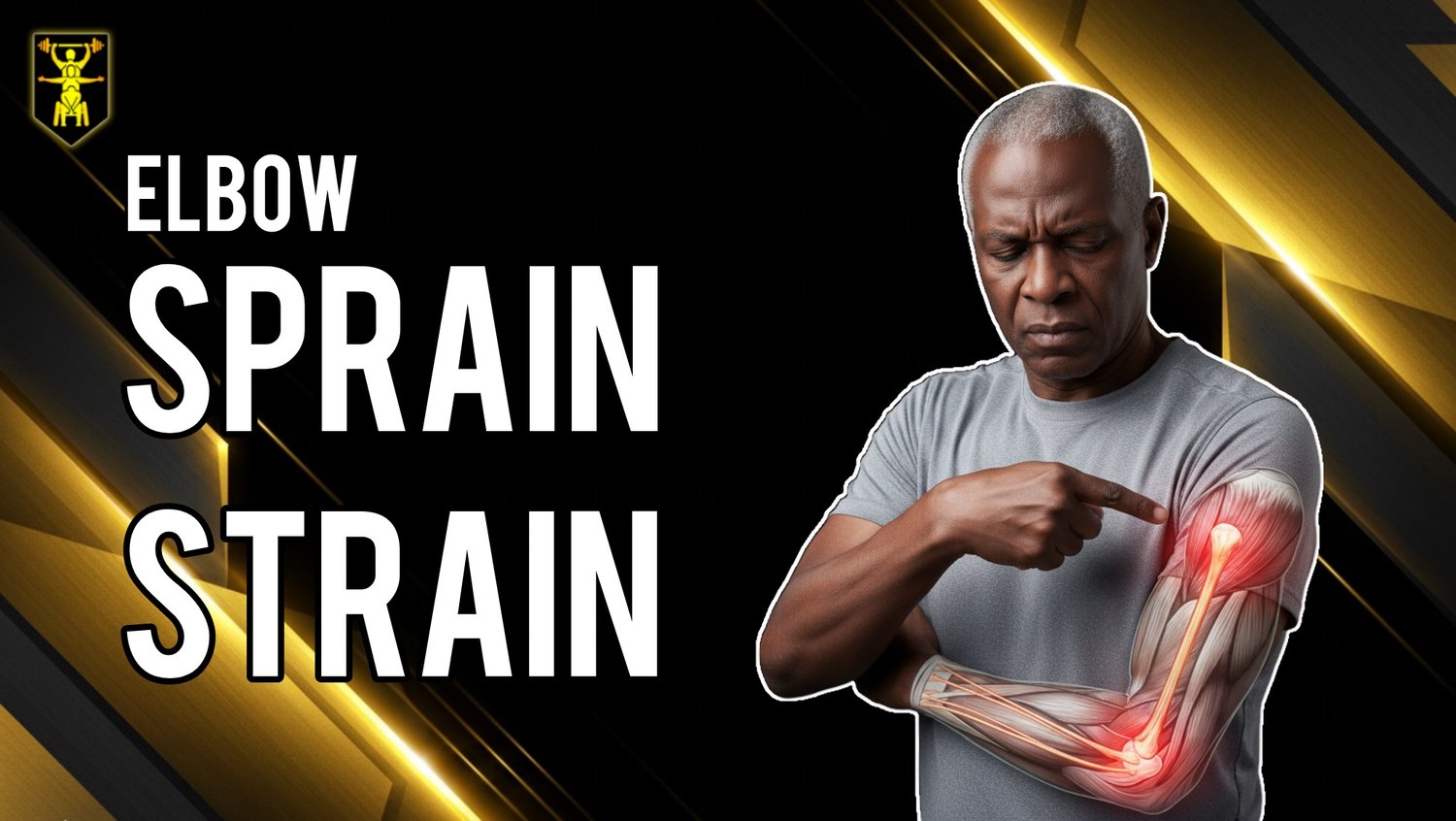
An elbow sprain or strain involves micro-damage, stretching, or tearing of the ligaments, muscles, or tendons surrounding the joint. While these injuries do not involve fractures or nerve damage, they frequently present with localized pain, tenderness, mild edema, and reduced grip strength. Evidence-based conservative management emphasizes active recovery, utilizing structured exercise to reduce stiffness, restore range of motion, and progressively rebuild tissue tolerance.
About the Printable Exercise Package
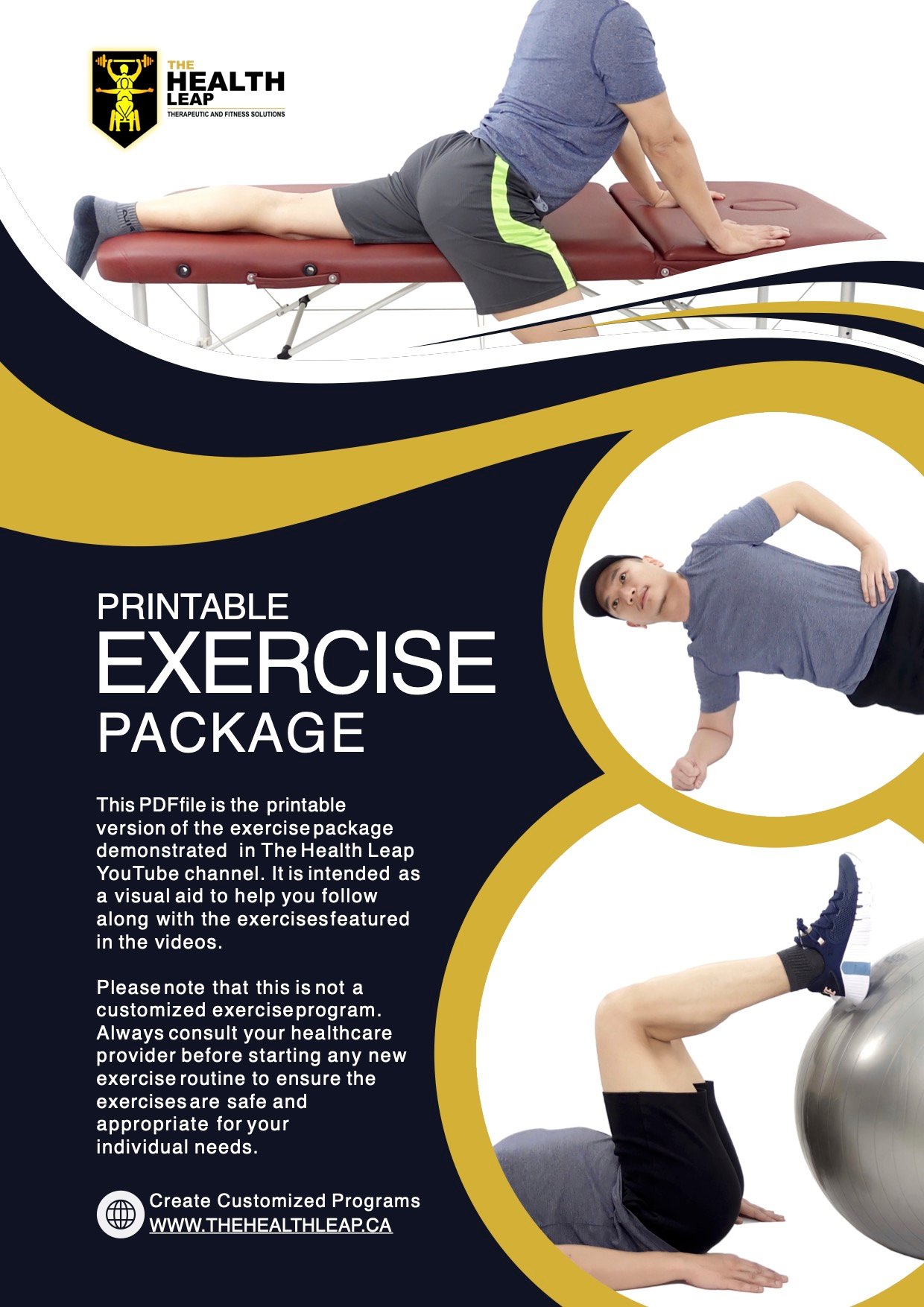
The Health Leap has developed a comprehensive, printable clinical reference and patient handout specifically targeting soft-tissue rehabilitation of the elbow. Designed to serve as a high-quality visual aid, this resource bridges the gap between clinical recommendation and patient compliance, offering a clear framework for progressive recovery.
What is Included in the PDF:
· Pathology & Clinical Education: Concise sections covering definition, etiology, epidemiology, differential diagnosis, and evidence-based diagnostic criteria.
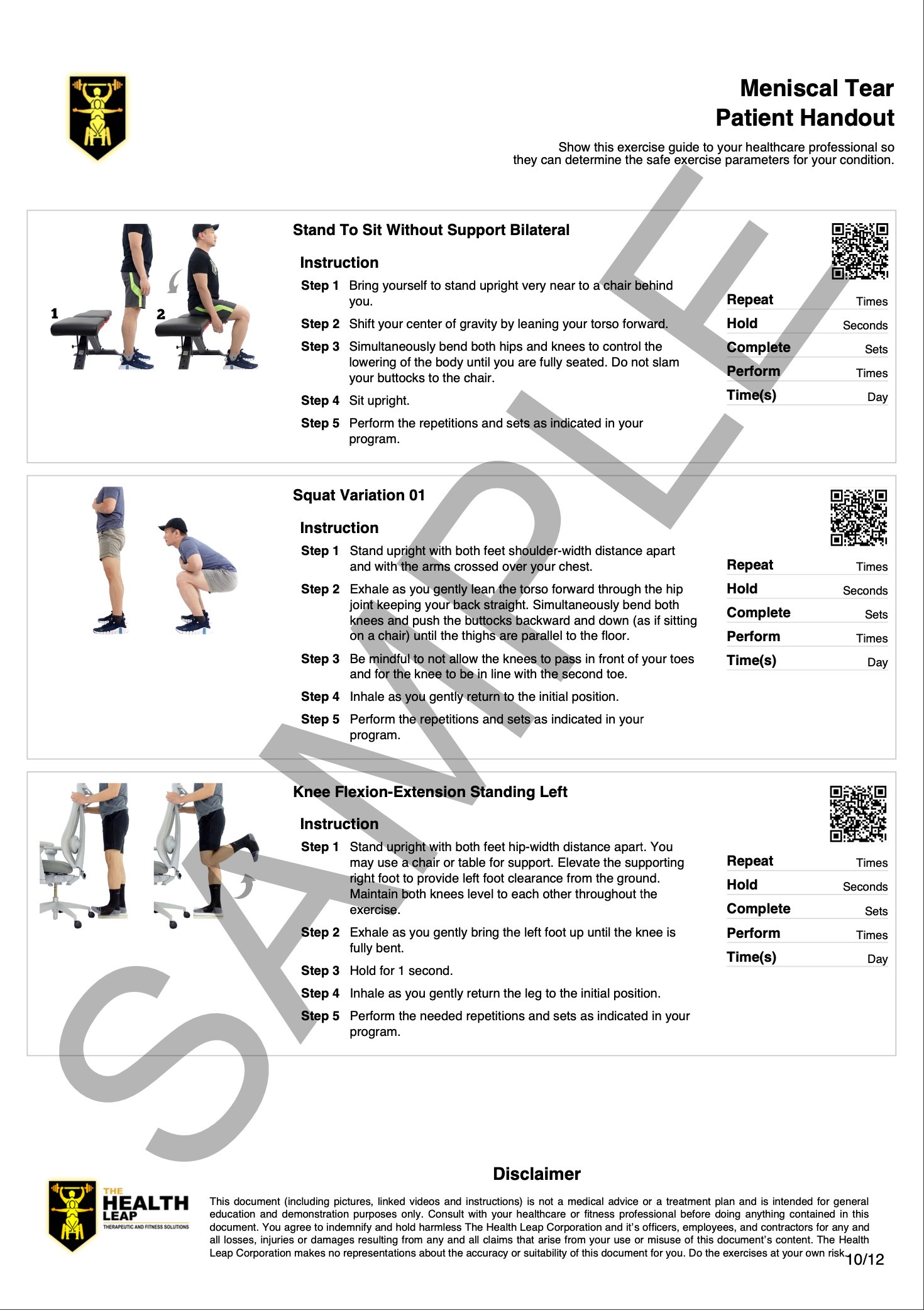
· Step-by-Step Exercise Protocols: Detailed instructions for finger extensions, targeted static wrist flexor/extensor stretches (including wall-assisted variations), progressive triceps and latissimus dorsi stretches, and multi-angle elbow flexion/extension protocols.
· Advanced Rehabilitation Protocols: Structured instruction for resistance band training and specialized Flexbar eccentric loading for targeted forearm pronation and supination.
· Integrated Tracking Metrics: Built-in template spaces to define individual patient parameters, including dedicated fields for specific repetitions, hold times, sets, and daily frequency.
Important Clinical Disclaimer
This document is intended for general educational and demonstration purposes only. It does not constitute a customized medical treatment plan or direct clinical advice. Patients experiencing persistent or severe upper extremity symptoms—including severe swelling, loss of motor function, or neurological symptoms such as numbness and tingling—should seek an immediate evaluation from a qualified healthcare provider before initiating any new exercise regimen.