Movement Science Grade 6: Forces and Body Signals
Description
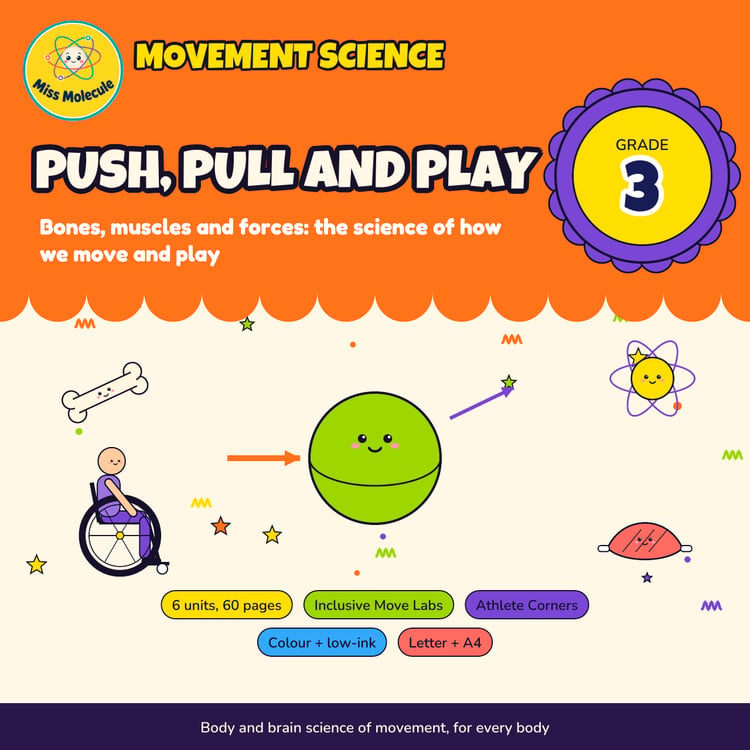
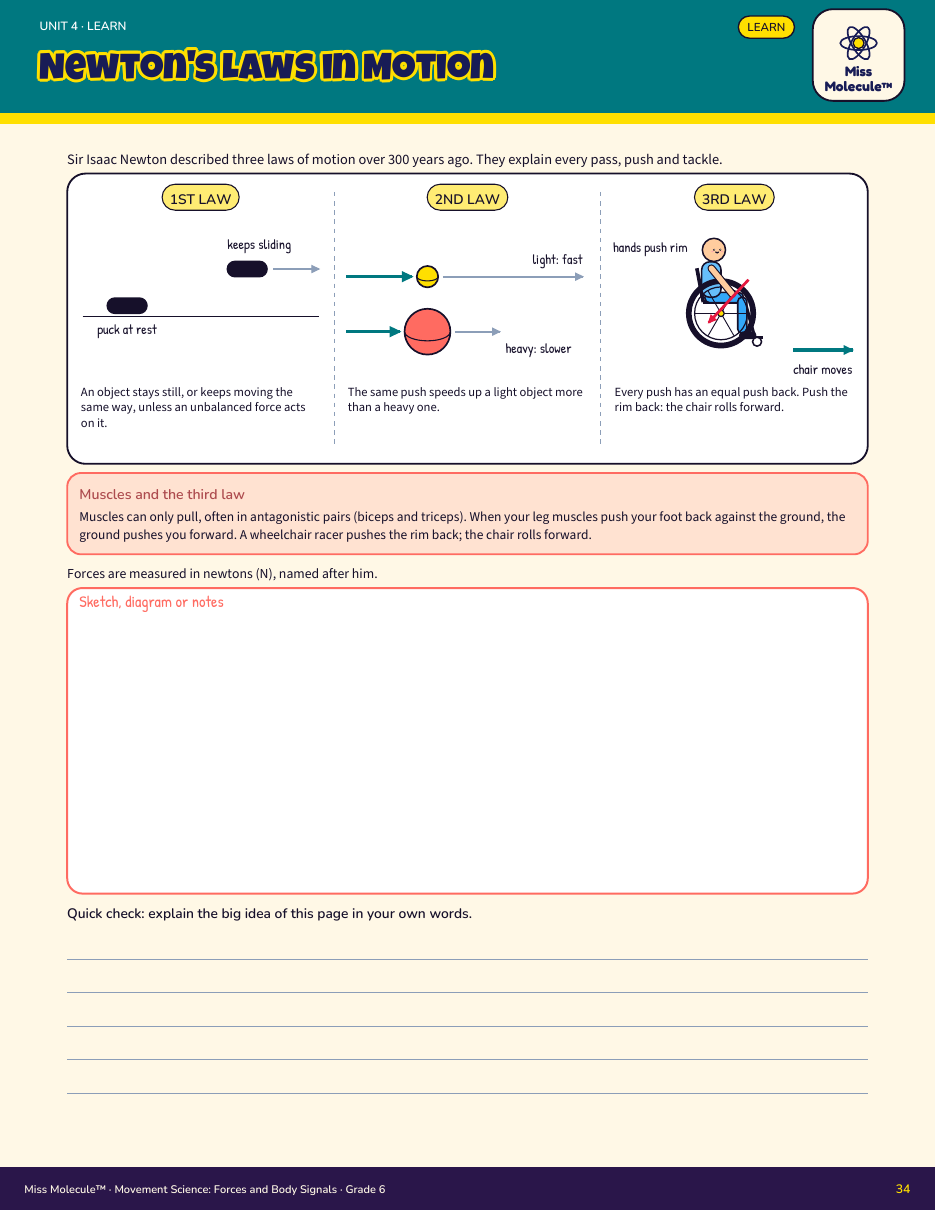
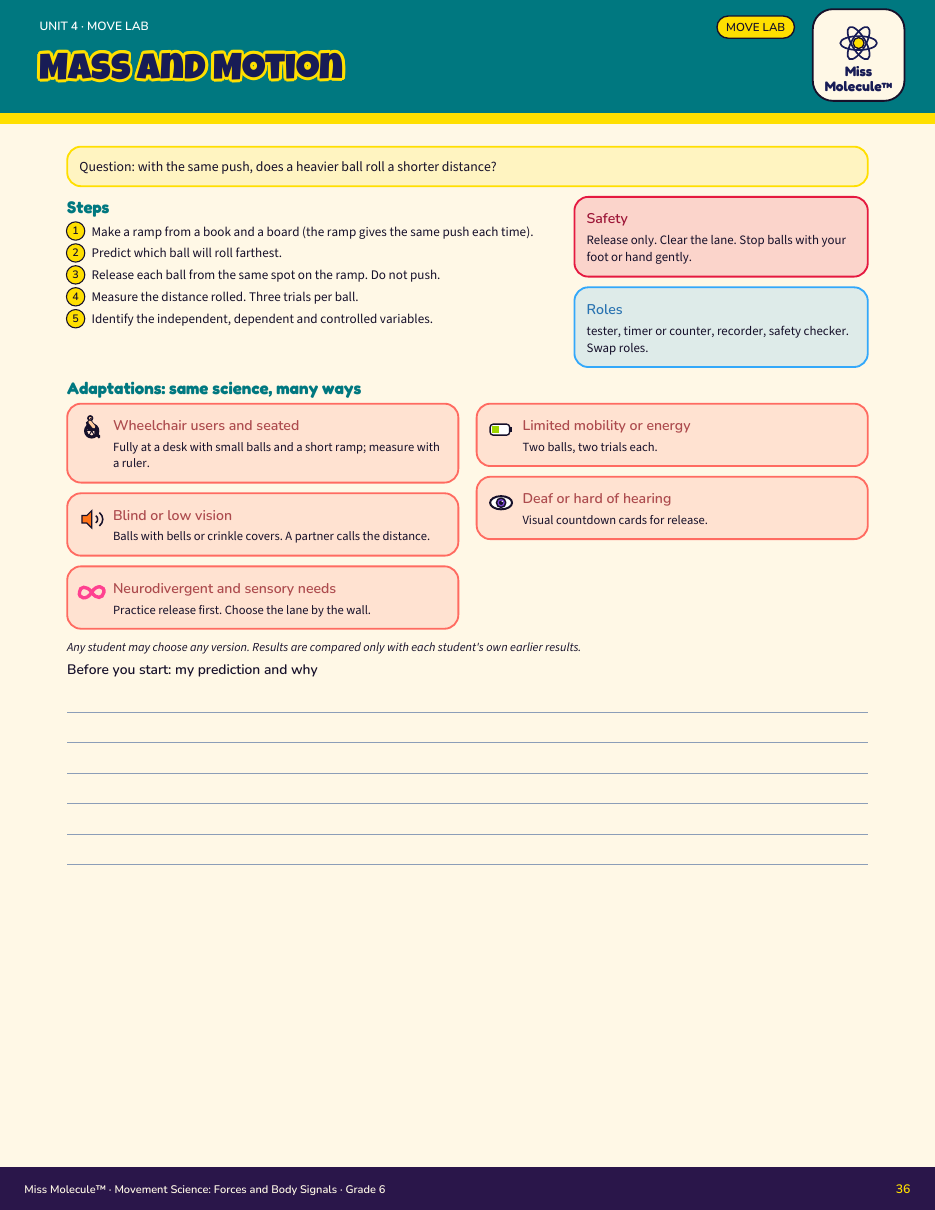
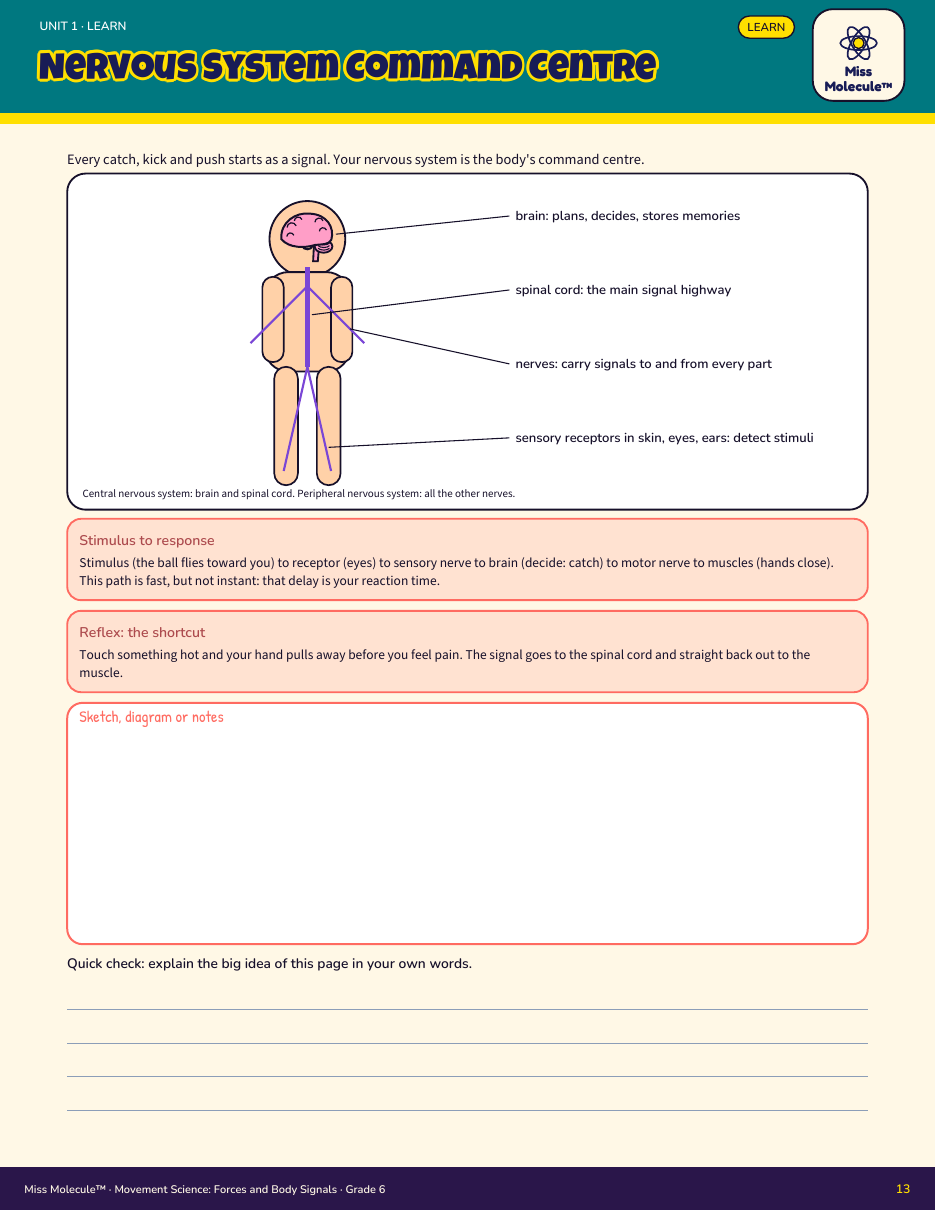
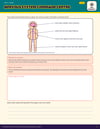
Movement Science treats physical education as a science. Grade 6 students explore the nervous system and reaction time, hormones and the adrenaline curve on game day, sweat, kidneys and water balance, Newton's three laws, net force, gravity, mass and weight and drag, and training science with FITT and the SAID principle. Each of the six units has a teacher plan, a Learn page, a Do page, a Move Lab with five ready adaptations, a data sheet, an Athlete Corner and an exit ticket with spaced review. Athlete Corners cover sleep, recovery, hydration and nutrition, training, concussion awareness and overuse injury prevention, always as general education. The Recovery Curve lab uses CBT-informed thought, feeling and action language from Ontario HPE D1.5; it is educational, not therapy. The book ends with a culminating project: Design an Inclusive Sport Science Station.
What is inside
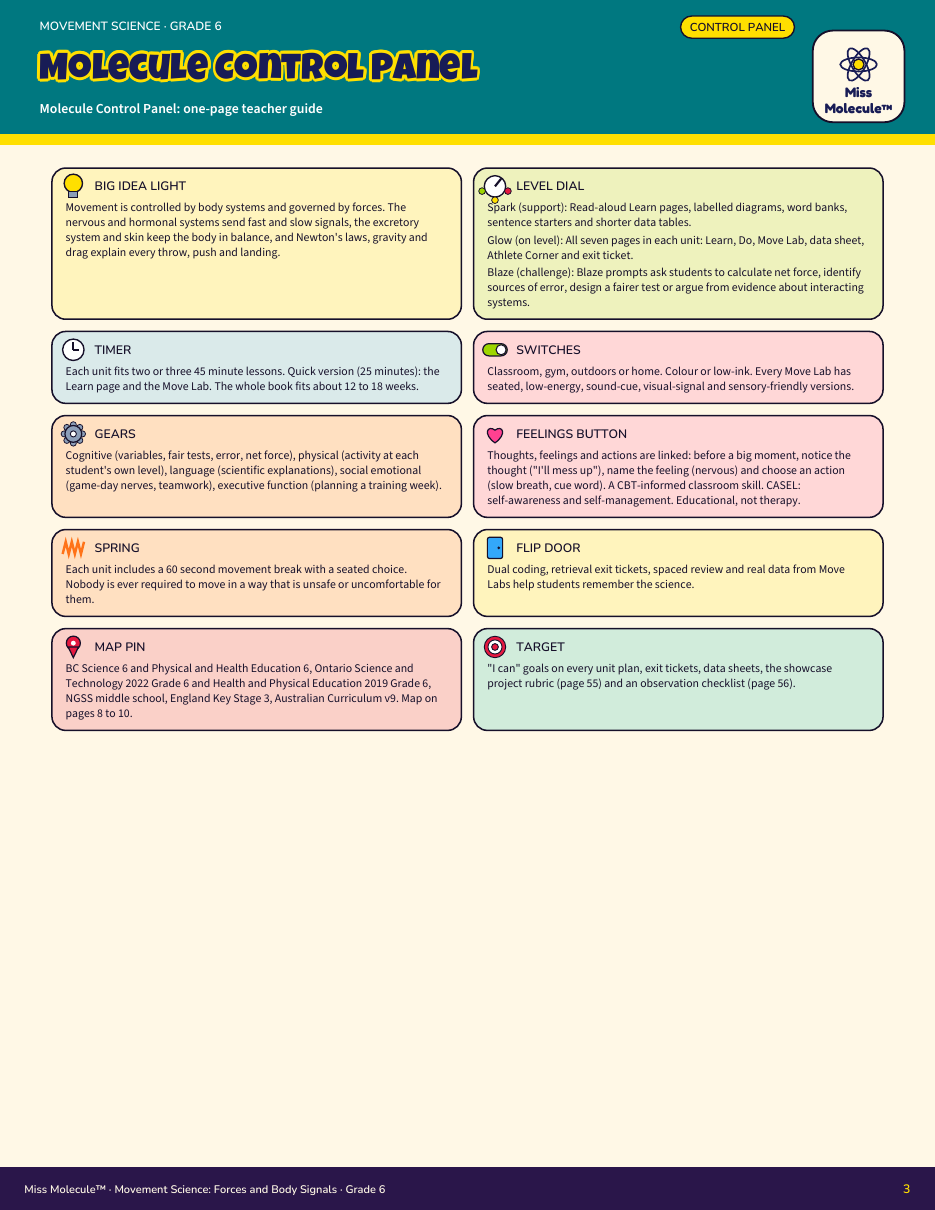
- Molecule Control Panel, welcome page, inclusion and UDL page, adaptation icon key, safety and care page
- Canadian 24-Hour Movement Guidelines page (Sweat, Step, Sleep and Sit)
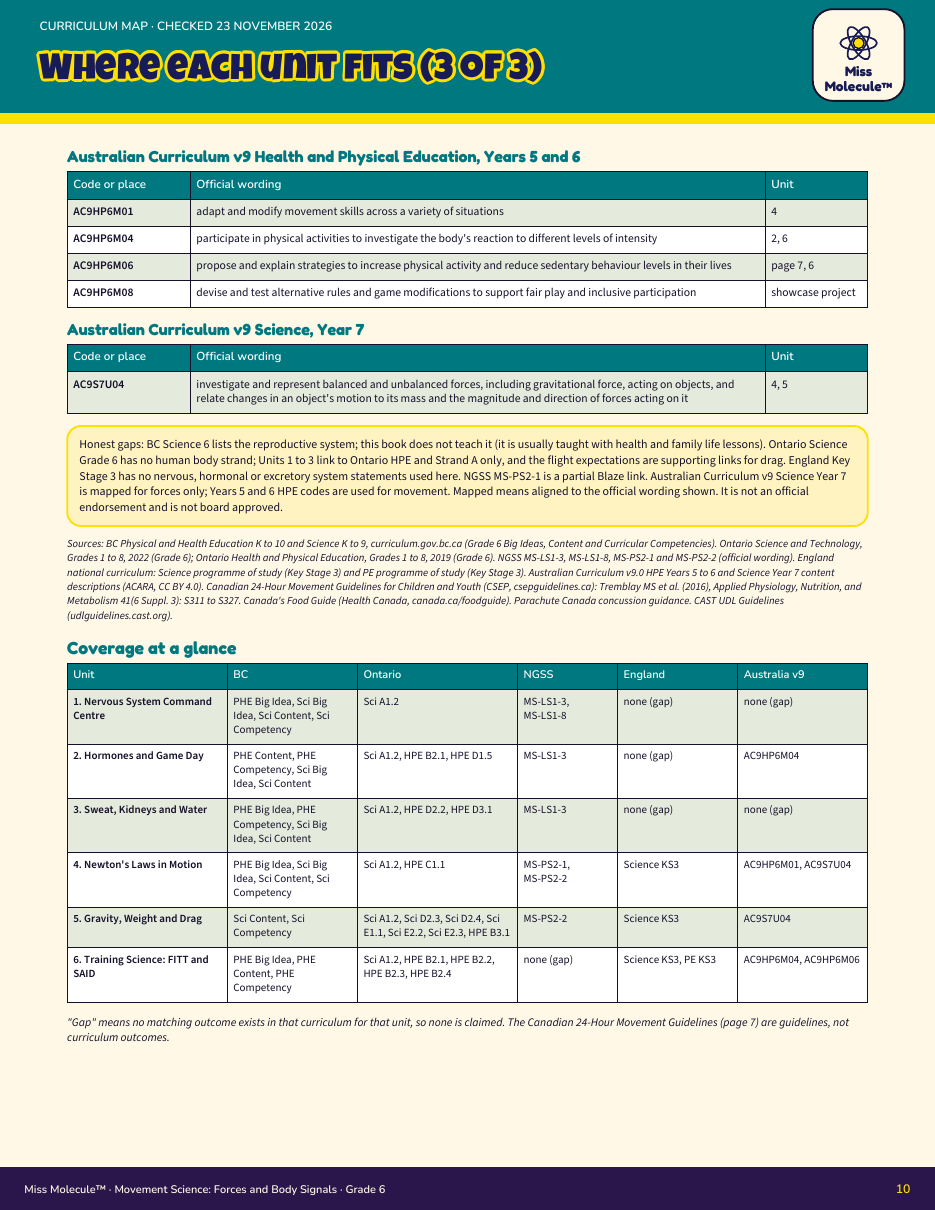
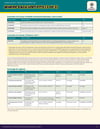
- Three page curriculum map with official wording, honest gaps and a coverage matrix, plus year at a glance
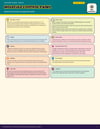
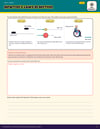
- 6 units, 7 pages each: Nervous System Command Centre; Hormones and Game Day; Sweat, Kidneys and Water; Newton's Laws in Motion; Gravity, Weight and Drag; Training Science: FITT and SAID
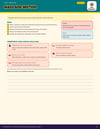
- Six Move Labs: Reaction Race (with a ruler drop conversion table), Recovery Curve, Evaporation Cooling, Mass and Motion, Drag Lab, Practice Effect
- Spark, Glow and Blaze choices throughout
- Culminating project (Design an Inclusive Sport Science Station), rubric, student checklist, answer key, glossary, family letter, licence page
Curriculum links (checked against official sources on 23 November 2026)
- BC Physical and Health Education 6 and BC Science 6: Big Ideas, Content and Curricular Competency statements (BC uses statements, not codes)
- Ontario Science and Technology 2022 Grade 6: A1.2, D2.3, D2.4, E1.1, E2.2, E2.3
- Ontario Health and Physical Education 2019 Grade 6: B2.1, B2.2, B2.3, B2.4, B3.1, C1.1, D1.5, D2.2, D3.1
- NGSS middle school: MS-LS1-3, MS-LS1-8, MS-PS2-2, and MS-PS2-1 as a partial Blaze link
- England: Science Key Stage 3 (forces and motion; the skeletal and muscular systems; health) and PE Key Stage 3
- Australian Curriculum v9 HPE Years 5 to 6: AC9HP6M01, AC9HP6M04, AC9HP6M06, AC9HP6M08; Science Year 7: AC9S7U04 (forces)
Honest gaps: BC Science 6 lists the reproductive system; this book does not teach it (it is usually taught with health and family life lessons). Ontario Science Grade 6 has no human body strand; Units 1 to 3 link to Ontario HPE and Strand A only, and the flight expectations are supporting links for drag. England Key Stage 3 has no nervous, hormonal or excretory system statements used here. NGSS MS-PS2-1 is a partial Blaze link. Australian Curriculum v9 Science Year 7 is mapped for forces only; Years 5 and 6 HPE codes are used for movement. Each gap is printed in the PDF.
Inclusion: every Move Lab has five adaptation boxes, one for each icon on the adaptation key (wheelchair users and seated, limited mobility or energy, blind or low vision, Deaf or hard of hearing, neurodivergent and sensory needs), built on Universal Design for Learning (CAST UDL Guidelines 3.0, 2024). Every Athlete Corner includes para and wheelchair athletes. Students never have to share body data, weight or health information, and any personal page offers a pass.
Movement and health guidelines: Canadian 24-Hour Movement Guidelines for Children and Youth (ages 5 to 17), Canadian Society for Exercise Physiology (CSEP), csepguidelines.ca. Tremblay MS, et al. Canadian 24-Hour Movement Guidelines for Children and Youth: an integration of physical activity, sedentary behaviour, and sleep. Appl Physiol Nutr Metab. 2016;41(6 Suppl. 3):S311 to S327. The pack summarizes Sweat, Step, Sleep and Sit in kid language and sends readers to the official guidelines; it is not a CSEP product.
Movement safety: students move only within their own comfort and plans; school, program and health plans always come first. Effort and recovery are observation only, never a medical test, and students never compare bodies. Concussion content follows Parachute Canada guidance and tells anyone with a possible concussion to stop and be checked. Energy drinks are flagged as not recommended for children and youth.
Food and water: nutrition and hydration ideas follow the general ideas of Canada's Food Guide and are not individual advice. No weighing, calorie counting or body measuring; the mass and weight page uses an example object, not a student.
NGSS is a registered trademark of WestEd. Neither WestEd nor the lead states and partners that developed the Next Generation Science Standards were involved in the production of this product, and they do not endorse it.
Fine print
Educational resource only. This is not therapy, counselling, medical, physiotherapy or nutrition advice, and it does not diagnose, treat or prevent any condition. No learning, behaviour, health, fitness or performance results are promised.
AI disclosure: the text was drafted with AI help and then checked and edited by the creator. Every illustration is original vector art drawn in code (shapes and lines), with no AI image generation. Fonts are open licence (SIL Open Font License).
Licence: one teacher's classroom, one coach's team or program group, or one family or homeschool. Print as many copies as that group needs. Do not share, resell or post the files publicly. Miss Molecule™ is a trademark of its creator. Mapped means aligned to the official wording shown; it is not an official endorsement and is not board approved.
© 2026 Miss Molecule. All rights reserved. Miss Molecule™. Licensed for one classroom or one household. No resale, sharing, shared sites or AI training.