Russian Icon Painting : Preserving Sacred Traditions for Generations
Russian icon painting is a profound art form that has preserved sacred traditions for generations. Originating in the Byzantine Empire and developing further in Russia, iconography has been a significant aspect of Eastern Orthodox Christianity.
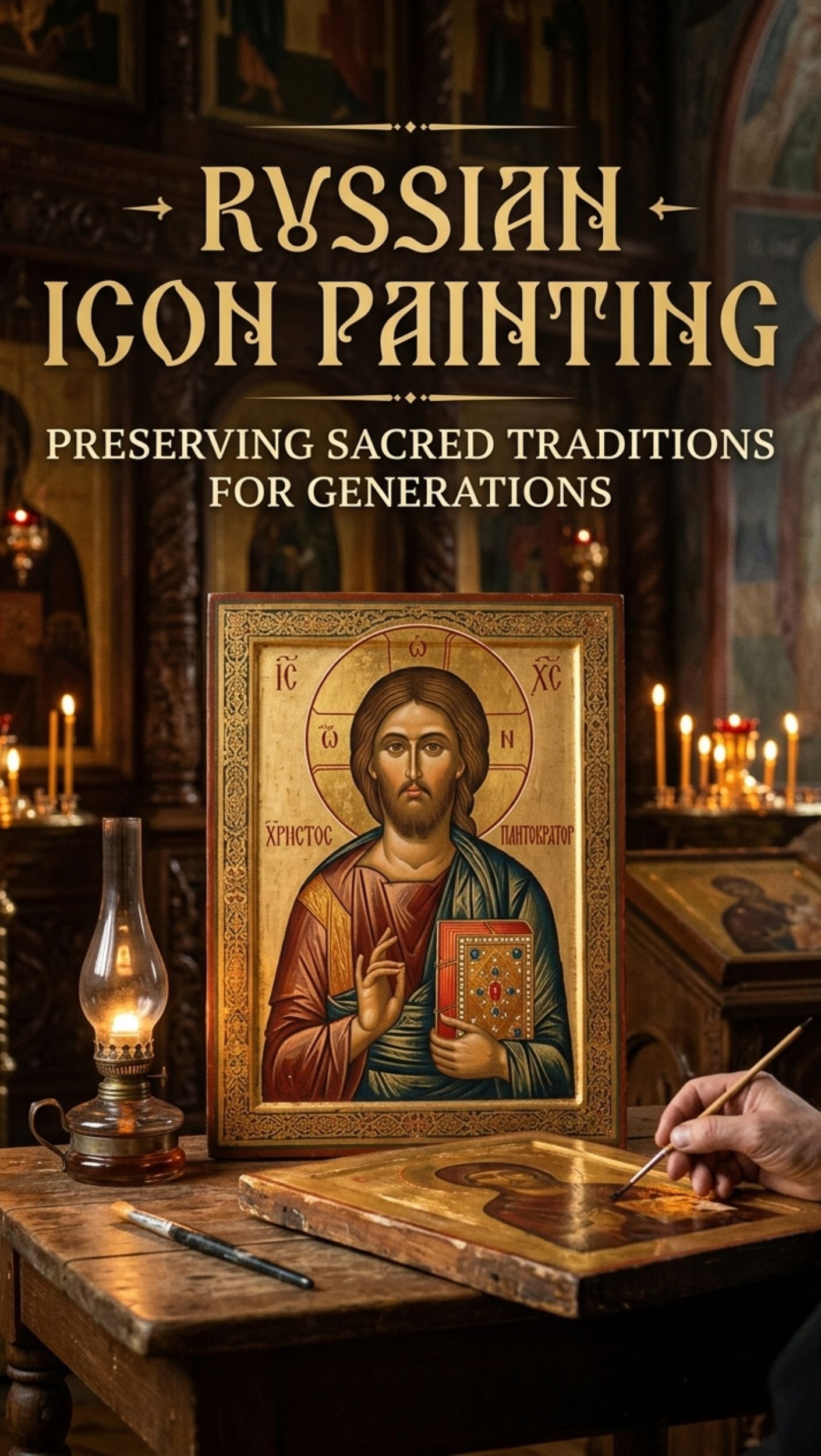
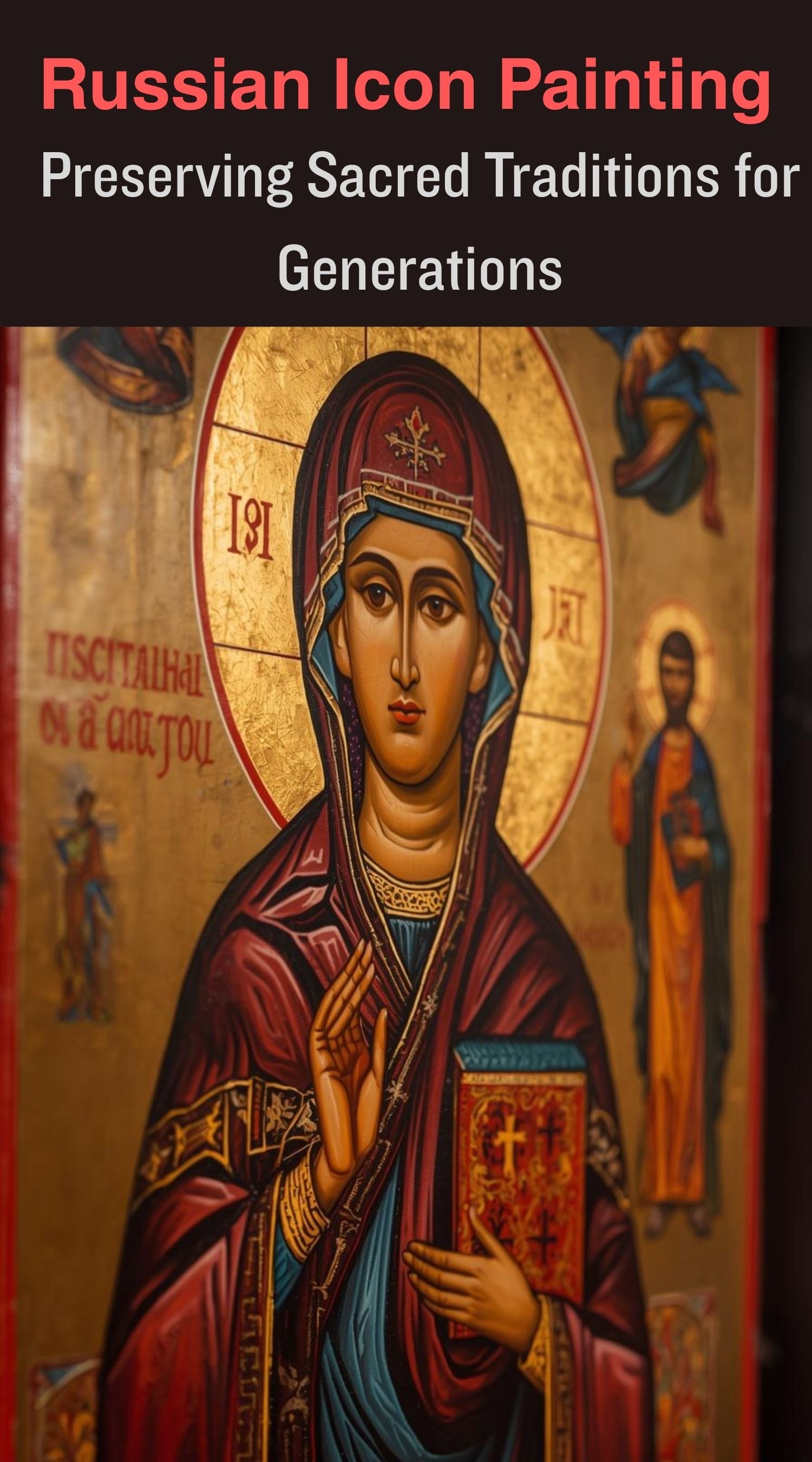
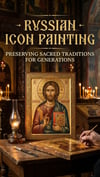
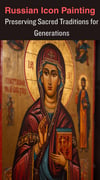
The creation of icons involves more than just painting; it's a spiritual process deeply rooted in tradition. Icon painters, often referred to as iconographers, follow strict guidelines regarding materials, techniques, and symbolism. They use natural pigments and materials like gold leaf on specially prepared wooden panels, adhering to specific styles and canons established centuries ago.
The purpose of these icons goes beyond mere decoration; they serve as windows to the divine, facilitating a connection between the worshipper and the spiritual realm. Each aspect of an icon, from the colors used to the positioning of figures, holds symbolic significance, conveying theological truths and inviting contemplation and prayer.
One of the remarkable aspects of Russian icon painting is how these traditions have been passed down through apprenticeships and schools, maintaining the integrity of the art form across centuries. Master iconographers impart their knowledge, techniques, and spiritual insights to apprentices, ensuring the continuation of this sacred heritage.
In an ever-changing world, the preservation of these sacred traditions becomes increasingly vital. Beyond its religious significance, Russian icon painting stands as a testament to the enduring power of art to convey profound spiritual truths and connect generations across time. Its preservation remains a testament to the enduring human spirit and devotion to timeless values.