



14-Days Chrono-Reset: Ultimate Wellness Transformation
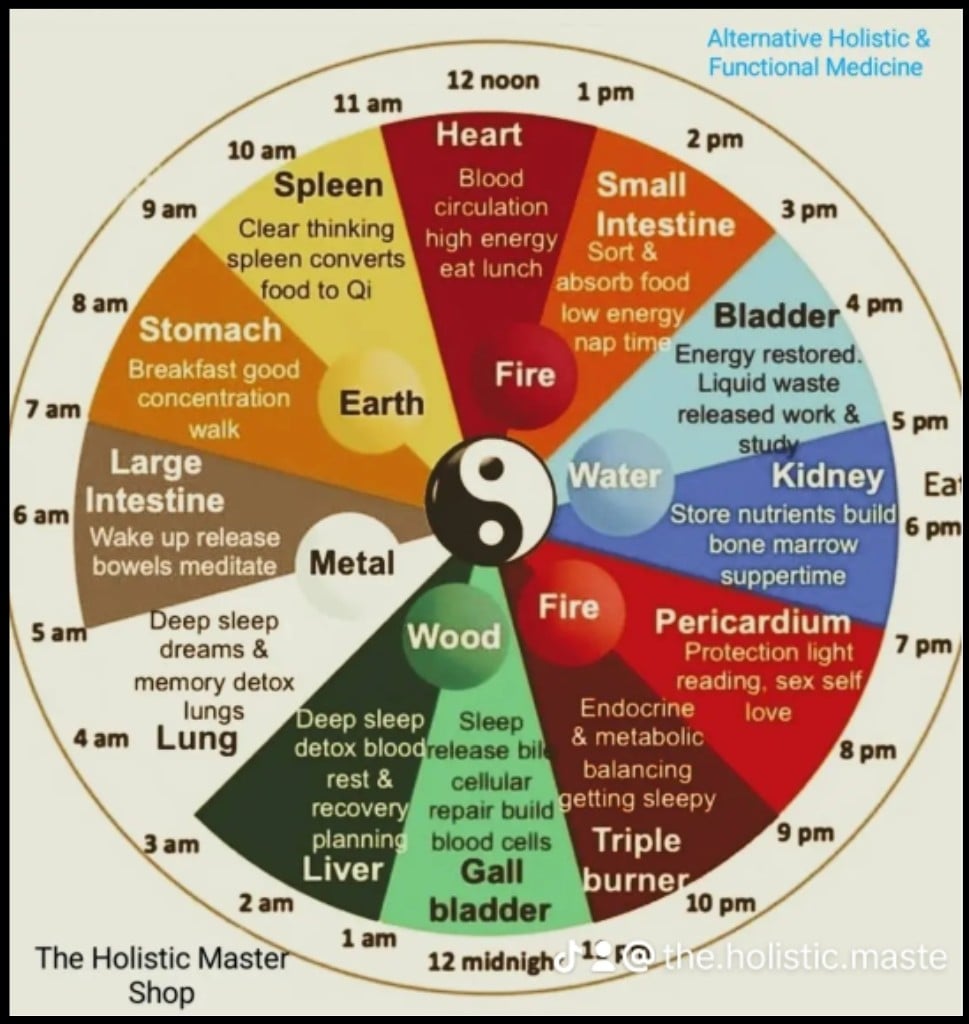
The concept of circadian rhythms dates back to ancient times. Early civilizations observed the daily patterns of plants and animals, noting that certain behaviors and physiological processes followed a roughly 24-hour cycle. The term "circadian" comes from the Latin words "circa" (around) and "diem" (day), reflecting the approximately 24-hour cycle of these rhythms.
One of the earliest scientific observations of circadian rhythms was made by French astronomer Jean-Jacques d'Ortous de Mairan in 1729. He conducted experiments with the mimosa plant, noting that its leaves continued to open and close in a regular pattern even when kept in constant darkness. This suggested the existence of an internal biological clock independent of external light cues.
1. Understanding Your Body's Needs
The first step in establishing healthy eating patterns is understanding your body's nutritional needs. This includes knowing the right balance of macronutrients (proteins, carbohydrates, and fats) and micronutrients (vitamins and minerals) your body requires. Consulting with a nutritionist or using dietary guidelines can help you determine these needs based on your age, gender, activity level, and health goals.
Setting Regular Meal Times
Consistency is key when it comes to healthy eating patterns. Aim to eat your meals at the same times each day. This helps regulate your body's hunger signals and supports your digestive system. Typically, three main meals (breakfast, lunch, and dinner) and two small snacks are recommended.
Refund Policy
Due to the nature of our digital products, there is a strict no-exchanges or refund policy on templates, ebooks, and other digital resources from The Holistic Master Shop
Disclaimer: This guide is for educational purposes only. It is not intended to diagnose, treat, or replace medical advice.