

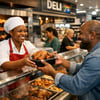

The Bakery & Hot Foods Playbook
The Bakery & Hot Foods Playbook
Overview
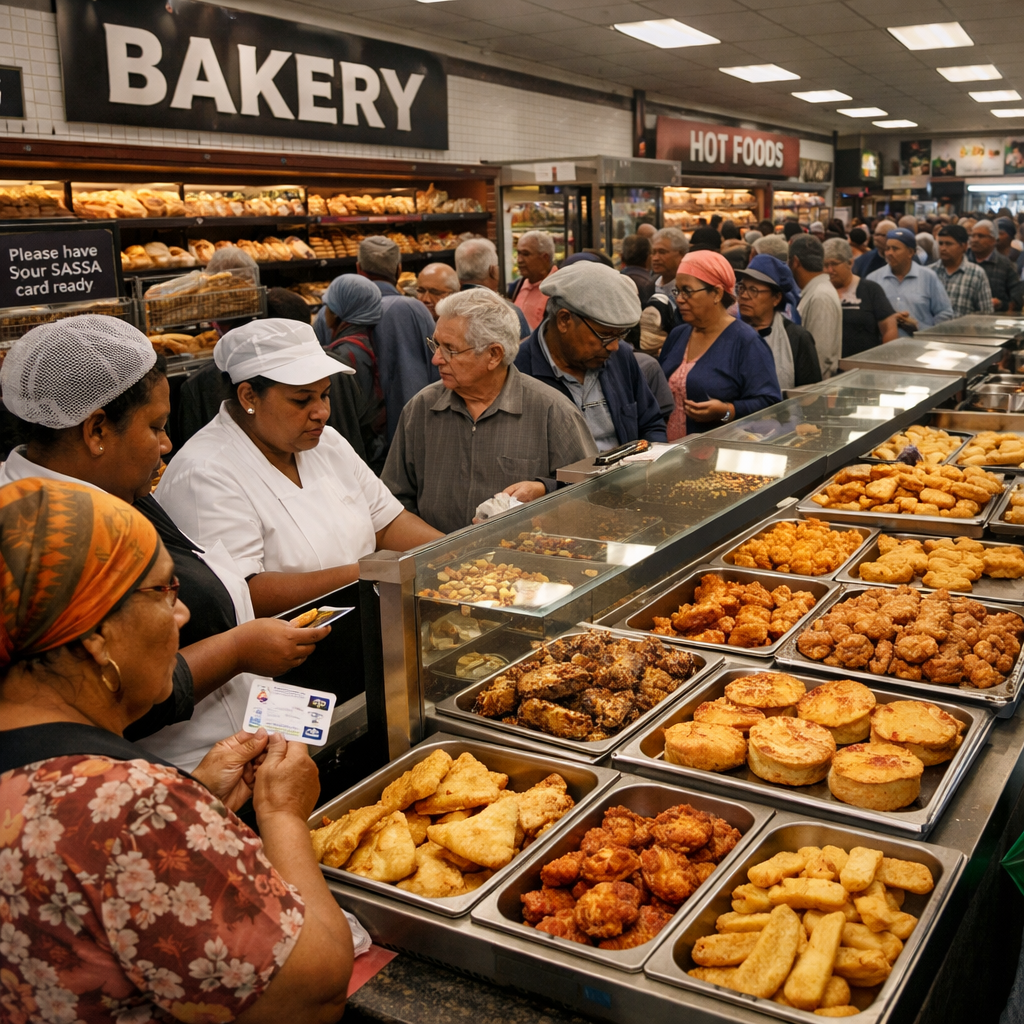
“The Bakery & Hot Foods Playbook: Zero Tolerance. Zero Excuses. Zero Lost Rand.” is a high-impact, no-nonsense operating manual for South African supermarket bakeries and hot food counters, built for managers who live with load shedding, SASSA rushes, and spaza-shop competition every day. It treats bakery and hot foods as high-margin theatre that can either pull R50–R80 baskets or poison customer trust in a single stale pie.
Why This Playbook Matters
At its core, this playbook lays down “law, not guidelines” for running profitable, compliant, and customer-obsessed bakery and hot food operations in townships, taxi-rank hubs, and busy malls. It starts by showing how one lukewarm vetkoek can send customers to the spaza next door for life, then walks you through concrete behaviours that protect margin: strict freshness rules, rapid service standards, and disciplined execution during chaos. Every section is framed around real-world South African conditions — Durban humidity, SASSA queues, taxi rush hours, load shedding — so the advice is instantly usable, not theoretical.
Who Should Read It
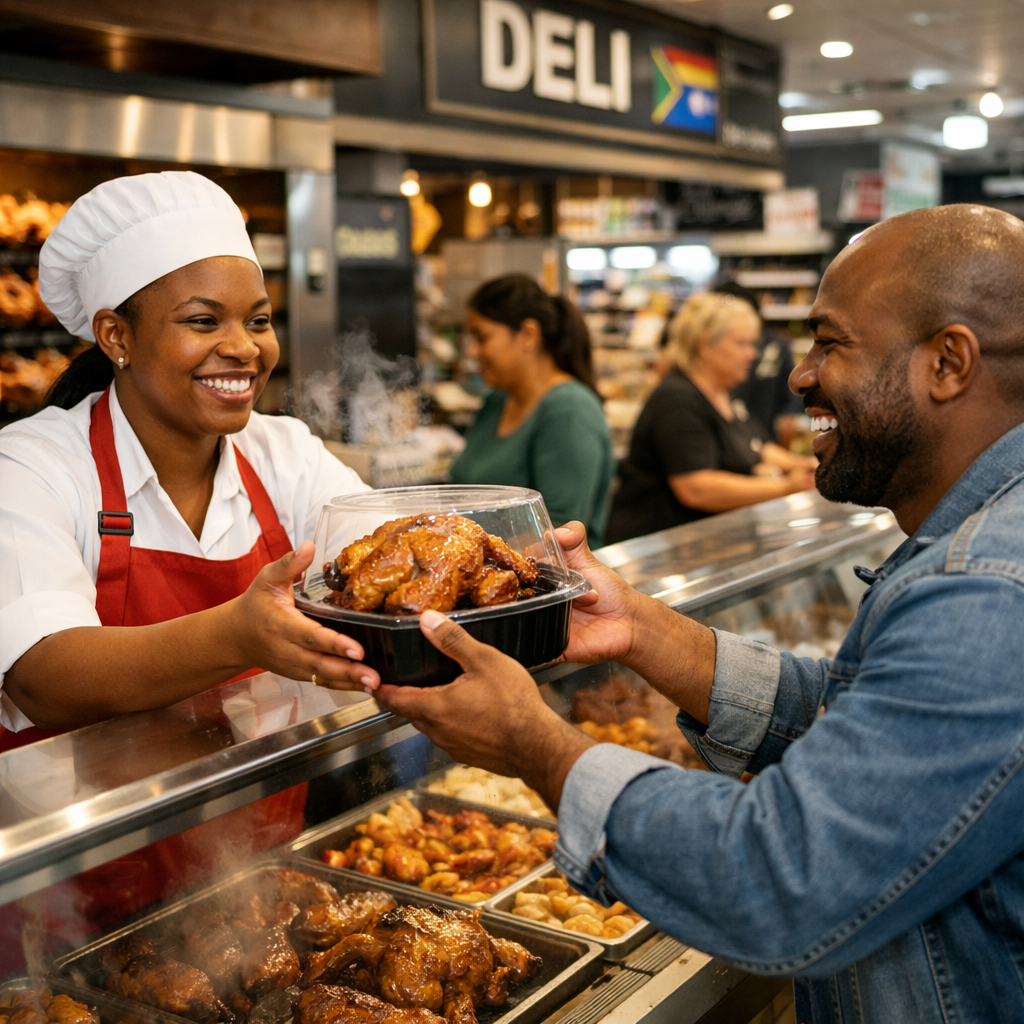
Readers should pick up this playbook if they want a single, practical document that ties together service, production, staff discipline, safety, KPIs, and marketing into one coherent system. It spells out exactly what must happen on the floor: greet every customer within three seconds, never make them wait more than 90 seconds for a refill, and always upsell logical combos like slaptjips with a Gatsby or mageu with a vetkoek. It then deepens into advanced tactics such as queue management during blackouts, personalising orders for regulars, and turning complaints into loyalty through immediate refunds and logged follow-up.
Operational Pain Points It Solves
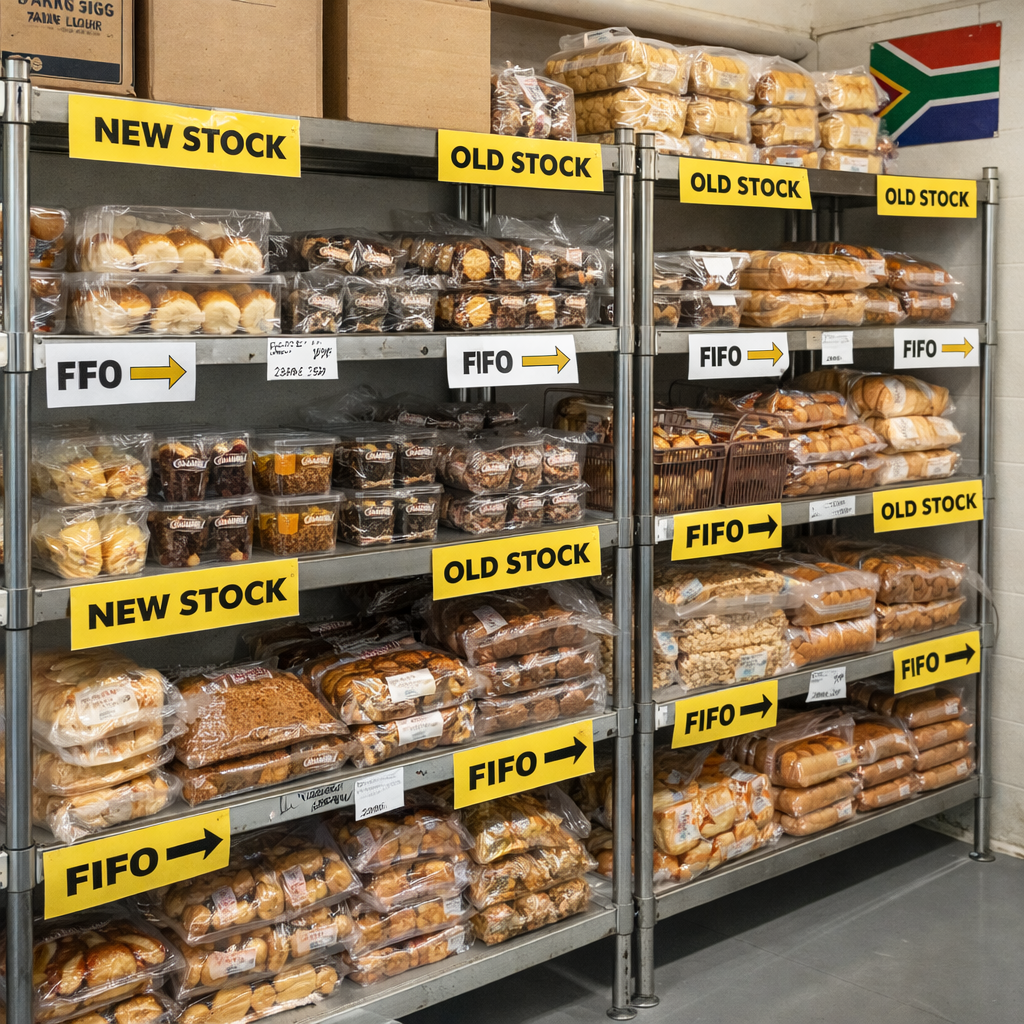
One of the book’s biggest strengths is how it tackles stock control and waste, two of the hardest pain points for bakery managers. It demands FIFO every shift, temperature checks every two hours, batch labels on every product, and clear shelf-life rules such as pies at four hours and bread at twenty-four. You learn how to log waste by item, reason, and value, drive waste below 3–5%, and use that data to adjust production instead of guessing. In an environment where overproduction kills margin and underproduction hands money to spazas, these rules are worth real rand.
People, Culture, and Discipline
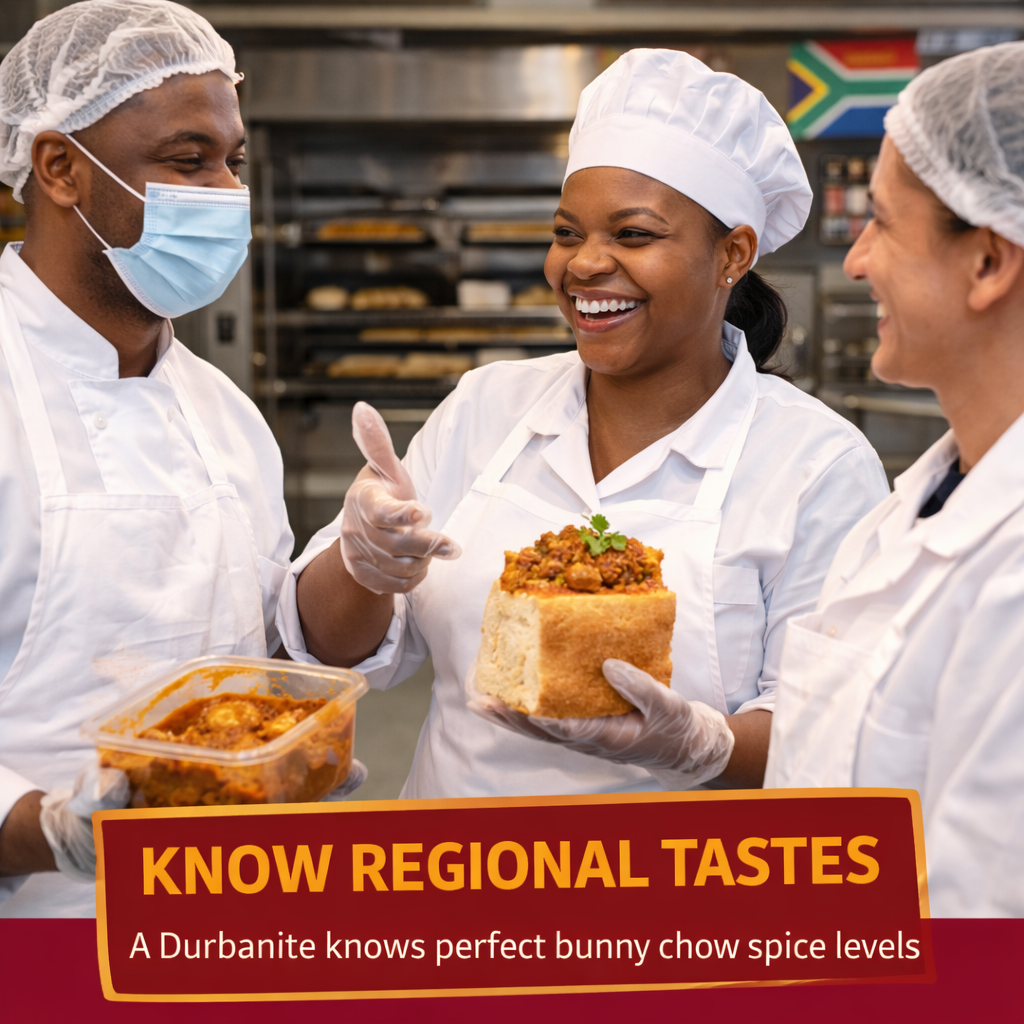
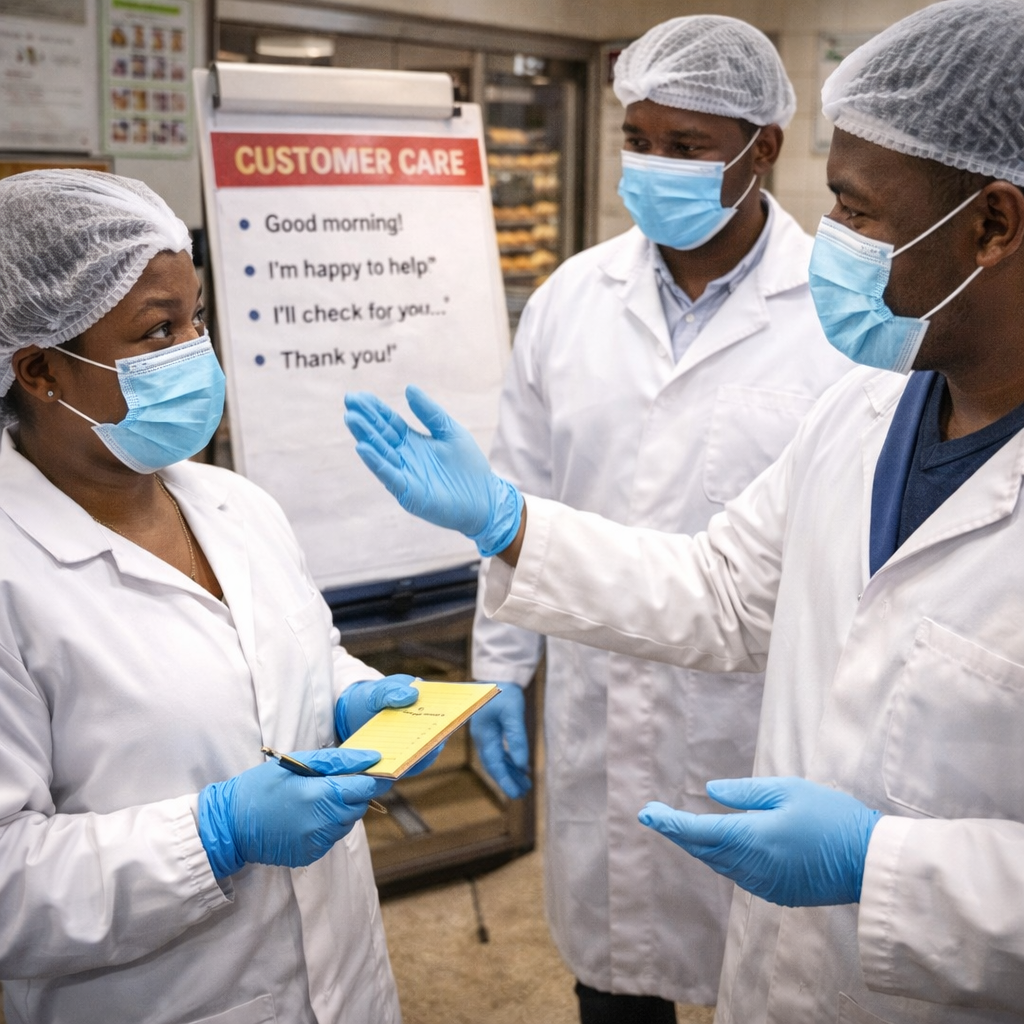
The playbook also tackles the human side: hiring locals who understand regional tastes, enforcing full PPE and hygiene discipline, banning phones on the line, and using short weekly trainings plus incentives for top upsellers. It shows how to build a culture where cross-contamination is treated like theft, average-tasting food never hits the display, and dirty uniforms are unthinkable. For leaders, it provides a simple discipline ladder (verbal, written, exit) and clear expectations for shift rotations so no one burns out stuck on one task.
Regional Edge and KPIs
A unique value of this manual is its regional intelligence: it codifies exactly how to win with bunny chow in KZN, Gatsby and boerewors in the Western Cape, vetkoek and kota in Gauteng, and shisanyama with pap, umngqusho, and community events in the Eastern Cape. It gives precise specs on spice levels, loaf size, fillings, wrapping quality, and timing to match local demand peaks.
Finally, it closes the loop with hard KPIs and risk controls, defining daily targets for sales, waste, satisfaction, attachment rate, throughput, freshness, stock turns, hygiene, promo uptake, waste value, complaint resolution, theft, and audit pass rates, each tied to clear consequences.
Don't Miss Out—Unlock Epic Deals & Bundles Now!
To see all our other offers and bundles, check the links below: