
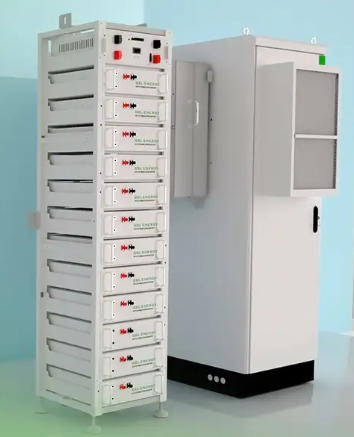
Understanding High Voltage Energy Storage Batteries: Applications, Uses, and Key Characteristics
As the demand for efficient, scalable, and reliable energy storage solutions continues to rise, high voltage battery systems are becoming an increasingly critical component in the global energy landscape. From large-scale renewable energy integration to electric mobility and industrial power backup, these batteries provide the high performance and reliability needed for a wide range of modern applications.
we will explore what high voltage energy storage batteries are, when they are used, and what makes them distinct from conventional low-voltage systems.
What Is a High Voltage Energy Storage Battery?
A high voltage battery refers to any battery system with a nominal voltage significantly higher than traditional low-voltage systems, typically ranging from 100V up to 1500V, depending on the application. These batteries are often made up of multiple cells connected in series, which allows them to store and discharge large amounts of energy efficiently.
High voltage energy storage systems are commonly found in electric vehicles (EVs), grid energy storage solutions, commercial and industrial applications, and some high-end residential solar power systems.
When Are High Voltage Batteries Used?
High voltage batteries are used when there is a need for high power output, fast energy transfer, or large energy capacity. Below are some of the most common use cases:
1. Electric Vehicles (EVs)
EVs rely heavily on high voltage battery systems—typically ranging between 400V and 800V—to deliver the power needed for long driving ranges, rapid acceleration, and fast charging capabilities. High voltage systems reduce the current required for power transfer, which minimizes energy losses and improves efficiency.
2. Grid Energy Storage
Renewable energy sources like solar and wind are inherently intermittent. High voltage batteries help stabilize the grid by storing excess energy during periods of high generation and discharging it when demand rises. Utility-scale energy storage systems often operate at voltages above 1000V.
3. Commercial and Industrial Backup Power
Large factories, data centers, and other industrial facilities require reliable backup power solutions. High voltage batteries offer the capacity and response time necessary to support these critical operations without interruption.
4. High-End Residential Energy Systems
While most residential solar systems use low-voltage batteries, some high-end or off-grid systems are now utilizing high voltage storage for increased performance, especially when paired with smart energy management systems.
5. Aerospace and Marine Applications
Some advanced aerospace and marine systems use high voltage battery setups to reduce weight and maximize energy density, ensuring better performance and longer operation time.
Key Characteristics of High Voltage Energy Storage
High voltage batteries offer several technical advantages over low-voltage counterparts. Here are the most important characteristics:
1. Higher Efficiency
A high voltage battery allows for lower current at the same power output. Lower current means reduced resistive losses in the system, resulting in greater overall energy efficiency.
2. Compact System Design
Higher voltage enables more power with fewer cables and thinner conductors, which reduces system size and weight. This is especially important in mobile applications like electric vehicles and aerospace systems.
3. Faster Charging and Discharging
Because high voltage systems can handle higher power levels, they support rapid charging and discharging. This is essential in applications where downtime must be minimized, such as EV charging stations or emergency backup systems.
4. Scalability
High voltage energy storage systems are more scalable. As demand increases, it is easier to scale up the voltage and energy capacity by adding more cells or modules. This makes high voltage batteries ideal for commercial and grid-scale energy storage projects.
5. Advanced Battery Management Systems (BMS)
Due to the complexity and potential safety risks, high voltage batteries require advanced Battery Management Systems to monitor voltage, temperature, and overall performance. These systems ensure safe and optimal operation by balancing the charge across individual cells and detecting faults early.
Safety Considerations for High Voltage Battery Systems
While high voltage energy storage offers many advantages, it also introduces certain safety challenges:
- Electrical Hazards: High voltage systems can pose a significant risk of electric shock if not handled properly.
- Thermal Management: High power discharge can generate heat, requiring efficient cooling systems.
- Cell Balancing and Overcharge Protection: Proper BMS integration is critical to prevent overcharging, which could lead to thermal runaway or fire.
To mitigate these risks, manufacturers incorporate insulation, circuit breakers, thermal sensors, and sophisticated control software into their battery designs.
The Future of High Voltage Energy Storage
As the world transitions toward decarbonized energy and electric transportation, the high voltage battery is poised to play a vital role. Innovations in battery chemistry, such as solid-state electrolytes and lithium-silicon anodes, are expected to further increase energy density and safety, making high voltage systems even more attractive.
Moreover, the development of global standards for high voltage systems will encourage broader adoption across industries and regions.
Conclusion
A high voltage battery is more than just a high-powered energy storage solution it is a key enabler of the modern energy infrastructure. With advantages like higher efficiency, fast charging, and scalable design, these batteries are finding increasing use in EVs, grid systems, and industrial applications.