
Advanced Mold Remediation Methods for Long-Term Property Protection
Maintaining a property in good condition requires prompt attention to water damage, excessive humidity, and indoor mold growth. Mold can develop on walls, ceilings, flooring, furniture Mold removal, and other materials when moisture remains present for extended periods. In addition to affecting the appearance of indoor spaces, persistent mold growth may damage building materials and contribute to indoor air quality concerns. Professional mold remediation provides a structured solution for identifying contamination, removing affected materials when necessary, and correcting the moisture problems responsible for mold development.
Understanding the Need for Mold Remediation
Mold is naturally present in the environment, and its spores can enter buildings through windows, doors, ventilation systems, and everyday activities. These spores may begin growing when they settle on suitable materials with sufficient moisture. Although mold growth does not always indicate extensive structural damage, it should be investigated when it appears alongside persistent dampness or water intrusion.
Mold remediation focuses on managing established growth rather than attempting to eliminate every mold spore from the indoor environment. The process considers the location of contamination, the materials affected, and the steps required to prevent continued moisture exposure.
Addressing these factors together is more effective than simply wiping visible patches or applying products that temporarily improve the appearance of a surface.
Common Situations That Lead to Mold Contamination
Several building conditions can encourage mold growth. Plumbing leaks are a frequent cause because water may remain trapped behind walls, beneath sinks, or under flooring. Roof leaks can introduce moisture into ceilings, insulation, and attic spaces, while damaged gutters and poor drainage may allow water to enter through exterior walls or foundations.
Condensation is another potential contributor. When warm, humid air contacts a cold surface, water droplets can form and create conditions favorable to mold growth. Inadequate ventilation can make this problem more persistent, particularly in bathrooms, kitchens, laundry rooms, and enclosed storage areas.
Flooding and appliance failures may introduce large amounts of water into a property. In these circumstances, prompt water removal, appropriate drying, and assessment of affected materials can help reduce the likelihood of extensive mold development.
How Professionals Evaluate Mold Problems
A successful remediation plan begins with understanding the extent of the moisture problem. During an assessment, professionals examine visible growth, water stains, damaged materials, and areas where moisture may be accumulating.
Moisture meters can help evaluate damp building materials, while thermal imaging may identify temperature patterns that warrant further investigation. Neither tool independently confirms that mold is present, so findings must be interpreted alongside other evidence.
The assessment also considers whether contamination may extend into concealed areas. If water has entered wall cavities, insulation, or flooring assemblies, additional investigation may be needed to determine the appropriate scope of work.
Routine air sampling is not necessary for every mold problem. Testing may be considered when the source or extent of contamination is unclear or when project-specific requirements justify further evaluation.
The Main Stages of Professional Mold Remediation
Inspection and Remediation Planning
The first stage involves identifying affected areas, determining likely moisture sources, and establishing a suitable work plan. The plan should explain which materials can be cleaned, which may need removal, and how the underlying moisture problem will be corrected.
Protecting Unaffected Areas
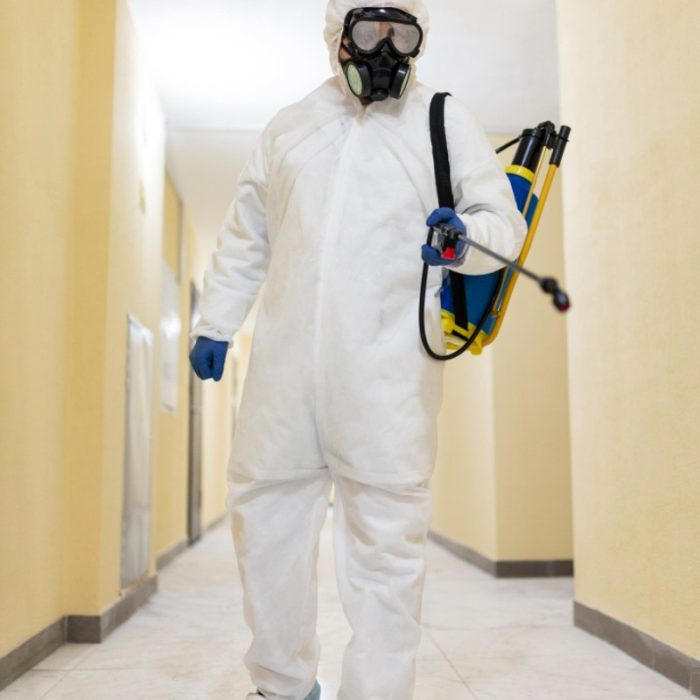
Depending on the extent of contamination, professionals may use barriers and other containment measures to reduce the movement of dust and debris. Appropriate protective equipment and work practices help limit exposure during removal and cleaning.
Cleaning Contaminated Surfaces
Hard, nonporous surfaces can often be cleaned using methods appropriate to the material and contamination. Porous materials require more careful evaluation because mold can penetrate their structure. If contaminated materials cannot be adequately cleaned and dried, removal and replacement may be necessary.
Drying the Affected Property
Drying is essential because residual moisture can support renewed mold growth. Depending on the situation, professionals may use dehumidifiers, air movers, or other drying equipment. Leaks and water intrusion must be corrected so that moisture does not continue entering the treated area.
Completion and Quality Review
After remediation, the work area should be reviewed to determine whether visible contamination has been addressed and moisture problems have been corrected. Larger projects may require additional documentation or independent post-remediation assessment, depending on the circumstances.
The Role of Moisture Control in Preventing Mold
Moisture control is one of the most important elements of long-term mold prevention. Even well-cleaned surfaces may develop new growth if leaks, condensation, or excessive humidity remain unresolved.
Property owners should inspect plumbing connections, roofing materials, windows, and drainage systems regularly. Water leaks should be repaired promptly, and wet materials should be dried as soon as practical. If porous materials remain wet for more than 24–48 hours, the risk of mold growth increases, although actual growth depends on the conditions and materials involved.
Indoor humidity should generally remain below 60%, with approximately 30%–50% being a useful target when practical. Ventilation improvements, functioning exhaust fans, and appropriately sized dehumidifiers can help manage moisture in vulnerable spaces.
Mold Remediation for Different Building Materials
Different materials require different remediation decisions. Concrete, metal, glass, and other hard surfaces may often be cleaned when their condition allows. Wood framing may sometimes be retained if it is structurally sound and can be adequately cleaned and dried.
Drywall, ceiling tiles, insulation, and carpet padding can be more challenging when contamination is extensive. These materials may need to be removed if they cannot be effectively cleaned or have deteriorated because of moisture exposure.
The goal is to remove contamination appropriately while avoiding unnecessary demolition. A careful assessment helps determine which materials can be preserved and which require replacement.
Health and Safety During Mold Removal
Mold remediation can disturb contaminated dust and debris, making suitable work practices important. People with asthma, mold allergies, or other respiratory sensitivities may be more affected by indoor mold exposure. Symptoms can include nasal congestion, coughing, sneezing, itchy eyes, and skin irritation.
Small areas on suitable surfaces may sometimes be cleaned safely by following appropriate precautions. However, extensive growth, recurring contamination, hidden mold, and mold associated with sewage or contaminated floodwater generally warrant professional assessment.
Workers may need protective clothing, gloves, eye protection, and suitable respiratory protection based on the task and applicable safety requirements. Children and individuals with significant respiratory sensitivities should avoid affected work areas during remediation.
How to Select a Mold Remediation Company
Choosing a remediation provider requires attention to its experience, qualifications, insurance, safety procedures, and proposed work plan. A trustworthy company should explain what it found, why particular materials may need removal, and how it intends to correct the moisture source.
Property owners should request a written estimate covering labor, cleaning, disposal, drying, and any anticipated reconstruction. It is also helpful to ask how the provider will limit the spread of contamination and evaluate the completed work.
Be cautious of providers who promise complete sterilization of a building or recommend expensive treatment without a clear assessment. Effective remediation focuses on removing established mold growth, managing affected materials, and eliminating the conditions that allow mold to return.
Conclusion
Advanced mold remediation combines careful inspection, appropriate cleaning or material removal, effective drying, and long-term moisture management. By addressing both visible contamination and its underlying causes, property owners can reduce the likelihood of recurring mold growth and help protect building materials from continued moisture damage. Regular inspections, prompt leak repairs, balanced indoor humidity, and qualified professional assistance when necessary are practical measures for maintaining a cleaner, safer, and more durable indoor environment.