
From Hobby to Passion: Why Ant Keeping is Trending Worldwide
Introduction: Why Ant Farms Fascinate Us
There’s something quietly mesmerizing about watching ants go about their daily lives. Beneath their tiny size lies a complex, highly organized world that mirrors some of the most advanced systems found in human societies. From coordinated labor to efficient communication, ants demonstrate a level of cooperation that continues to intrigue scientists and hobbyists alike. This fascination has led many people to bring that hidden underground world into their homes through an Ant Farm.
An ant farm is more than just a decorative piece or a childhood novelty. It’s a living ecosystem, a microcosm of nature that allows you to observe biology, behavior, and environmental balance in real time. Whether you’re a curious beginner or someone looking to deepen your understanding of insect life, building and maintaining an ant farm can become a deeply rewarding experience.
Understanding the Ant Colony Structure
To truly appreciate an ant farm, you need to understand the social structure that drives it. Every thriving colony revolves around a single queen whose primary role is reproduction. She lays the eggs that will eventually become the workers, soldiers, and future queens of the colony. Without her, the colony cannot sustain itself.
Worker ants are the backbone of the system. They are responsible for foraging, feeding larvae, maintaining the nest, and protecting the queen. Each worker operates with instinctive precision, yet together they create a highly adaptive and resilient network. Some species also include soldier ants, which specialize in defense and can be identified by their larger mandibles.
This hierarchical yet cooperative system is what makes ant farms so compelling. When you observe your colony, you’re not just watching insects; you’re witnessing a finely tuned society in action.
Choosing the Right Ant Farm Setup
Selecting the right environment for your ants is one of the most important decisions you’ll make. Modern ant farms come in a variety of designs, ranging from traditional sand-filled enclosures to advanced gel-based habitats and acrylic formicariums. Each type offers different advantages depending on your goals and experience level.
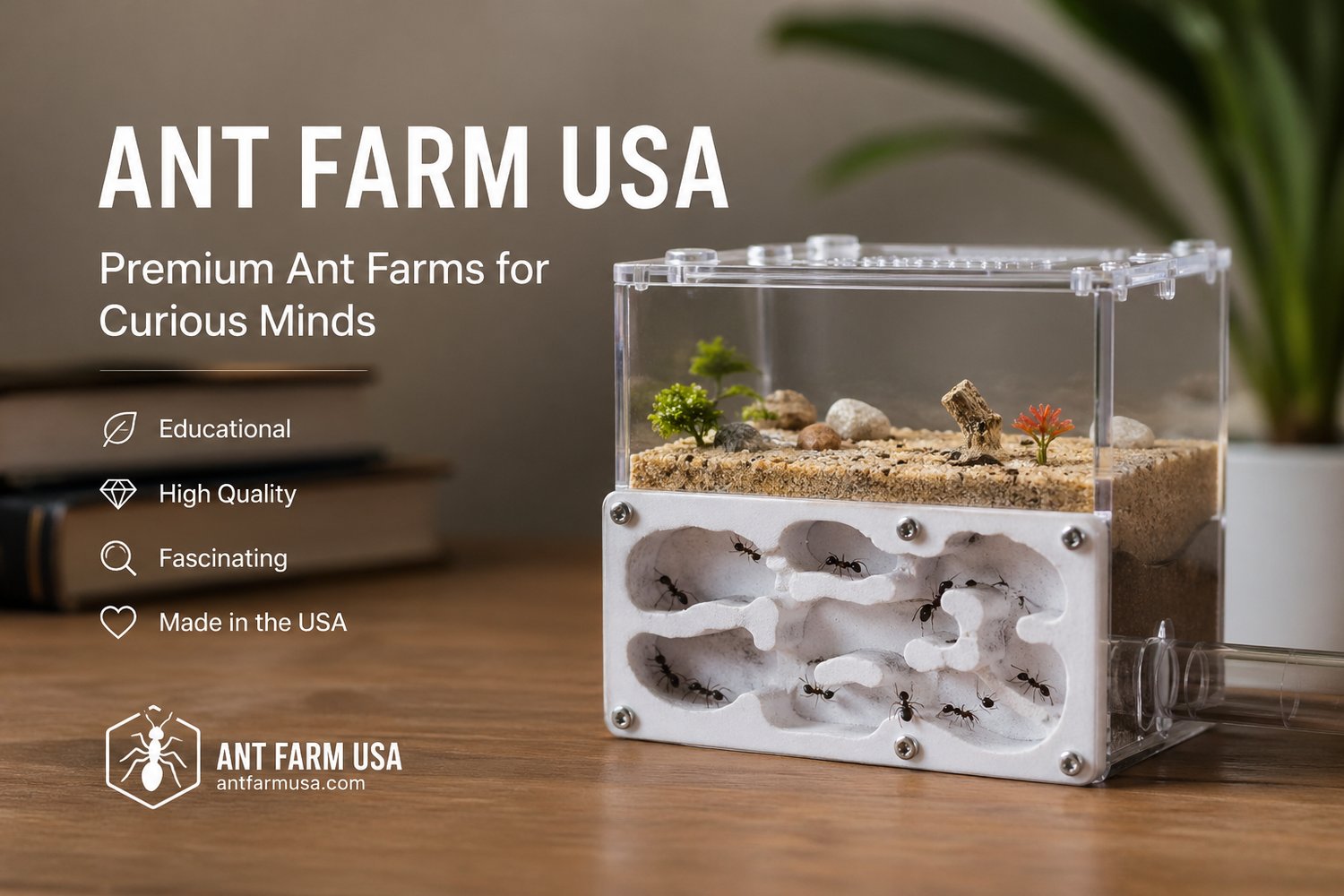
Acrylic formicariums are increasingly popular because they provide clear visibility and controlled nesting chambers that mimic natural conditions. These setups allow ants to dig structured tunnels while making it easy for you to observe their behavior without disturbing them. Gel farms, on the other hand, are visually appealing and low-maintenance, but they may not support long-term colony growth as effectively.
The key is to choose a system that balances visibility, ventilation, and comfort for the ants. A well-designed habitat ensures that your colony can grow naturally while giving you an unobstructed view into their world.
Selecting the Right Ant Species
Not all ants are the same, and choosing the right species can significantly impact your experience. Some species are more active and easier to care for, making them ideal for beginners, while others require more precise environmental conditions.
Harvester ants are a popular choice because of their visible activity and relatively straightforward care requirements. Carpenter ants, known for their size and strength, can also be fascinating to observe, though they may need more space as the colony grows. Smaller species like pavement ants are less demanding but may be harder to see clearly in larger enclosures.
When selecting your ants, consider factors such as climate compatibility, growth rate, and behavior. A species that thrives in your local conditions will require less intervention and be more likely to establish a healthy colony.
Setting Up Your Ant Farm Environment
Creating the right environment is crucial for the success of your ant farm. Ants are highly sensitive to changes in temperature, humidity, and light, so maintaining stable conditions is essential.
Temperature plays a significant role in activity levels and reproduction. Most ant species thrive in moderate warmth, typically between 20 to 28 degrees Celsius. Too much heat can stress the colony, while temperatures that are too low may slow down their activity and development.
Humidity is equally important, especially for species that rely on moisture to maintain their tunnels and care for their ახალგაზრდა larvae. Providing a consistent source of moisture without flooding the habitat requires careful balance. Many modern ant farms include built-in hydration systems to make this process easier.
Lighting should be kept minimal, as ants naturally prefer dark environments. Covering parts of the farm can encourage natural tunneling behavior while still allowing you to observe when needed.
Feeding Your Ant Colony
Feeding your ants properly is one of the most rewarding aspects of maintaining an ant farm. Watching them discover and transport food back to the colony offers insight into their communication and teamwork.
Ants generally require a combination of sugars and proteins. Sugary substances like honey or sugar water provide energy, while protein sources such as small insects or specialized ant food support growth and reproduction. The exact diet will depend on the species you choose.
Consistency is key. Overfeeding can lead to mold and hygiene issues, while underfeeding can weaken the colony. Observing how quickly your ants consume food can help you adjust portions and maintain a healthy balance.
Encouraging Natural Behavior and Growth
One of the most fascinating aspects of an ant farm is watching the colony evolve over time. As the queen lays eggs and the population grows, you’ll notice changes in behavior, tunnel complexity, and division of labor.
Providing opportunities for natural behavior is essential. This means allowing ants to forage, dig, and expand their habitat without constant interference. A well-designed farm will include both nesting and foraging areas, giving the colony space to function as it would in the wild.
Patience is crucial during this stage. Colonies do not grow overnight, and early stages may appear slow. However, as the population increases, activity will become more dynamic and engaging.
Common Challenges and How to Overcome Them
Maintaining an ant farm is not without its challenges. One of the most common issues is mold growth, which can occur if food is left uneaten or humidity levels are too high. Regular cleaning and careful feeding can help prevent this problem.
Escape attempts are another concern. Ants are natural explorers, and even the smallest opening can become an exit point. Ensuring that your enclosure is secure and properly sealed is essential for keeping your colony contained.
Colony collapse can happen if environmental conditions are not properly maintained or if the queen dies. Monitoring your setup and making gradual adjustments can help prevent sudden changes that might stress the ants.
The Educational and Therapeutic Value of Ant Farms
Beyond their scientific interest, ant farms offer significant educational and even therapeutic benefits. For students, they provide a hands-on way to learn about biology, ecology, and social behavior. Observing ants can spark curiosity and encourage deeper exploration of the natural world.
For adults, ant farms can serve as a calming presence. The repetitive, purposeful movements of ants can be surprisingly soothing, offering a break from the fast pace of daily life. In a way, they remind us of the value of patience, cooperation, and persistence.
Integrating Your Ant Farm with a Trusted Source
When building your setup, sourcing high-quality equipment and reliable information is essential. A dedicated platform like can provide valuable insights, tools, and products designed specifically for ant enthusiasts. Having access to well-designed habitats and expert guidance can make a significant difference in your success.
Choosing a trusted source ensures that you’re not only getting the right materials but also learning best practices that support the long-term health of your colony.
Long-Term Care and Colony Expansion
As your colony grows, your responsibilities as a caretaker will evolve. Larger colonies may require expanded habitats or additional chambers to accommodate increased activity. Planning for this growth in advance can help you avoid overcrowding and stress.
Regular observation remains one of your most important tools. By paying attention to changes in behavior, activity levels, and overall health, you can make informed decisions that support the colony’s development.
Over time, your ant farm will become a dynamic, ever-changing system that reflects the resilience and adaptability of its inhabitants. Each stage of growth brings new insights and deeper appreciation for the complexity of these tiny creatures.
Conclusion: Building a Living World in Your Home
Creating and maintaining an ant farm is a journey that combines science, observation, and a touch of artistry. It’s about more than just housing insects; it’s about cultivating a living environment where a complex society can thrive.
From selecting the right species to fine-tuning environmental conditions, every step plays a role in the success of your colony. With patience and care, your ant farm can become a window into a hidden world, offering endless opportunities for learning and fascination.
In the end, the true value of an ant farm lies in what it teaches us. It reveals how even the smallest creatures can build intricate systems, work together seamlessly, and adapt to their surroundings. By bringing that world into your home, you’re not just observing nature—you’re becoming part of it.