

IELTS Listening Part 2: Complete Strategy Guide with Detailed Examples
Before You Press Play
You've heard it before. "Just listen more." "Watch English movies." "Practice every day." And while none of that advice is wrong, it leaves out the most important truth about IELTS Listening Part 2: knowing how to listen is more powerful than how much you listen.
I wrote this guide for the student who has put in the hours but still feels uncertain when the monologue begins — when one voice fills the room with no pauses, no partner, no second chance. That moment of quiet dread before the audio plays? I wrote this to silence it.
Part 2 is where many strong English speakers stumble. Not because of vocabulary gaps or accent confusion, but because nobody showed them the architecture of the task. In my experience working with IELTS students, the problem is almost never ability — it's strategy. Nobody explained the hidden logic behind why wrong answers sound right.
Nobody pointed out the exact language a speaker uses to signal that the real answer is coming. Nobody drew the line between a word being mentioned and a word being meant.
What I've built here is not a collection of tips. It is a complete system. From the thirty seconds before the recording begins, to the final check before you put down your pen, I walk you through every moment with a clear strategy. Every question type has a structure. Every distractor has a tell. And I'm going to show you all of it.
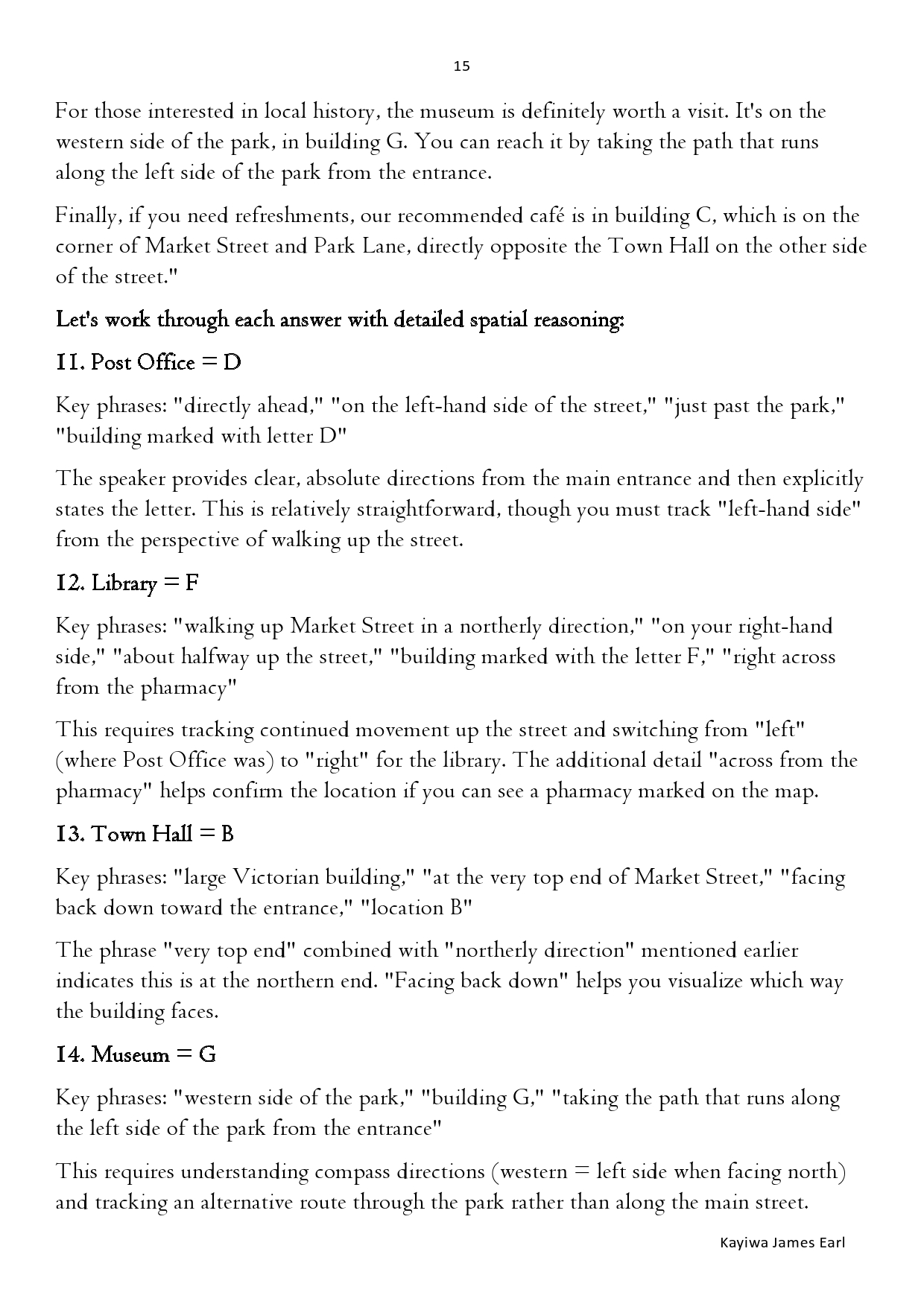
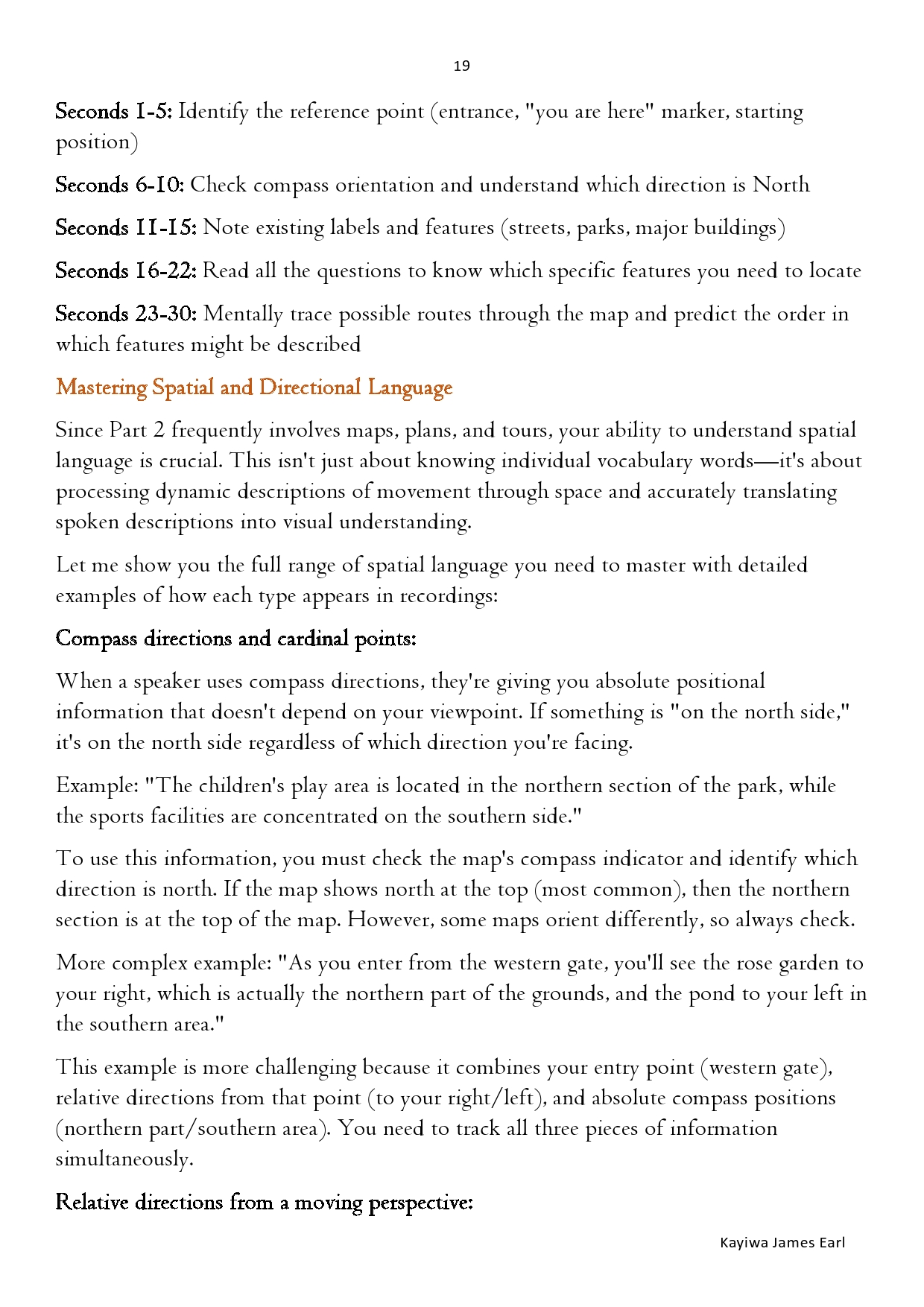
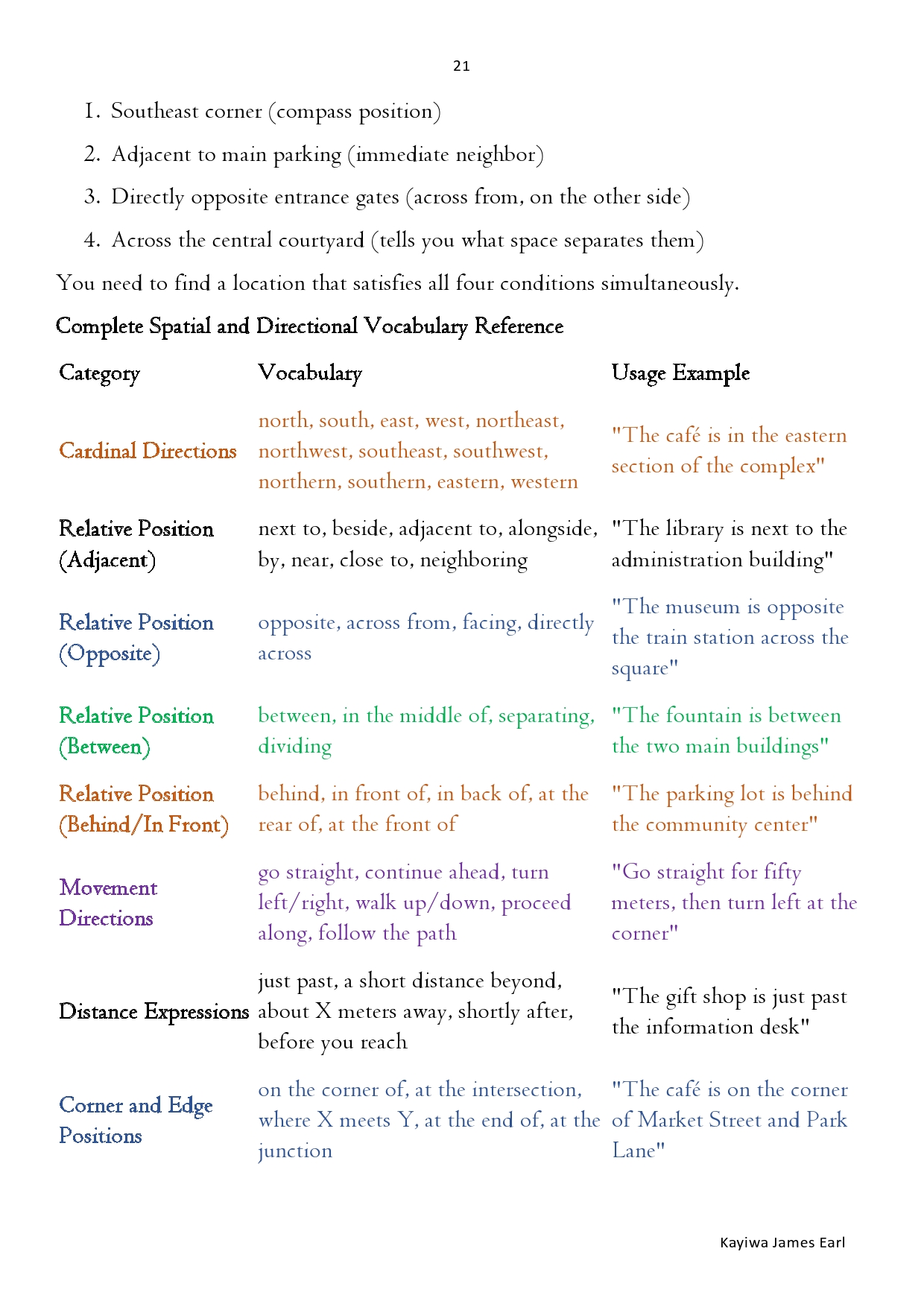
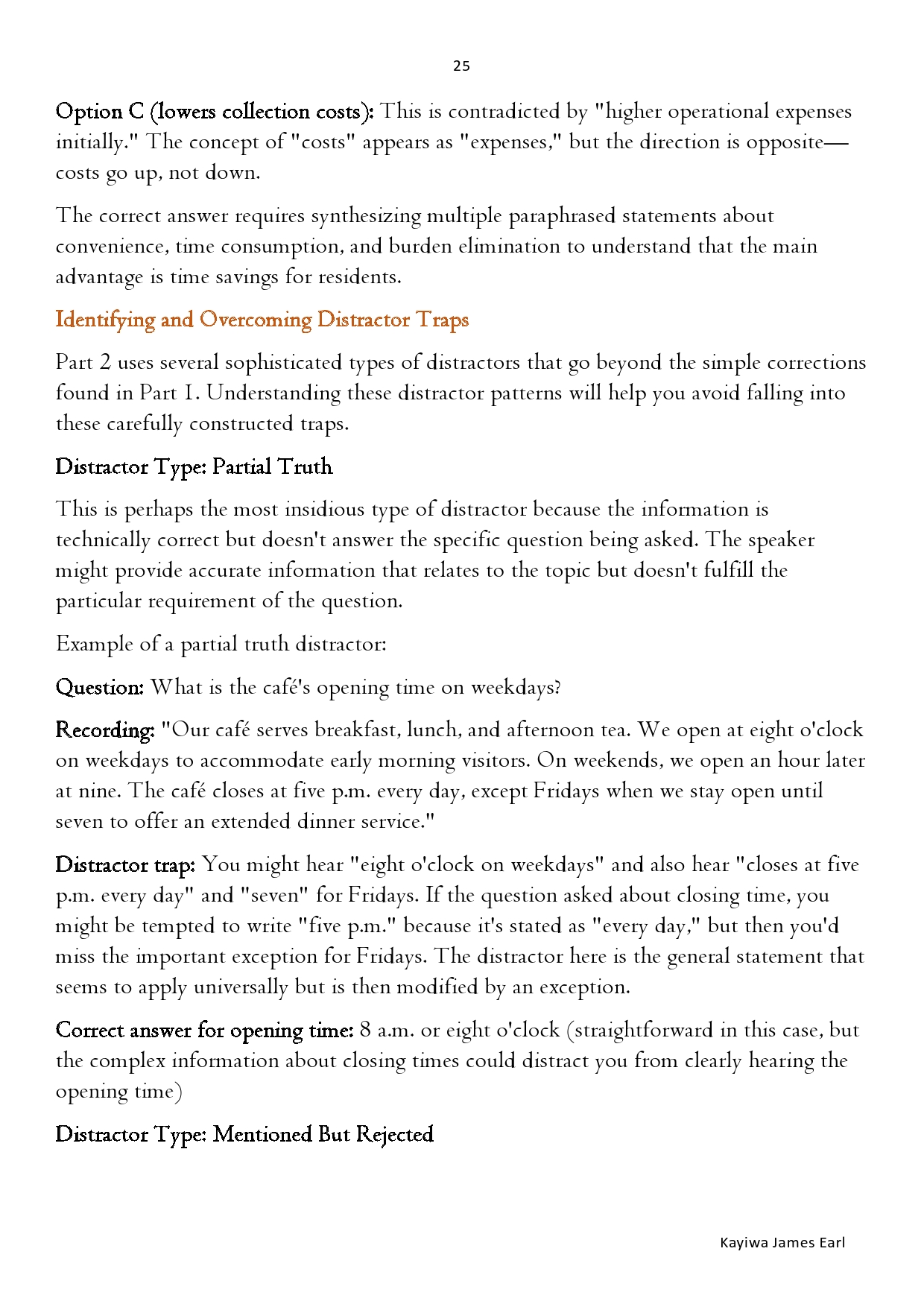
I'll take you through multiple choice questions where all three options are technically true — and explain precisely why only one earns the mark. I'll decode maps step by step, turning spatial language from a source of panic into a reliable tool. I'll expose the paraphrasing patterns this test uses consistently, so the gap between what you read and what you hear stops feeling like a trick and starts feeling like an advantage.
This is the guide I wish every student had from the very beginning.
Now — let's listen smarter.