
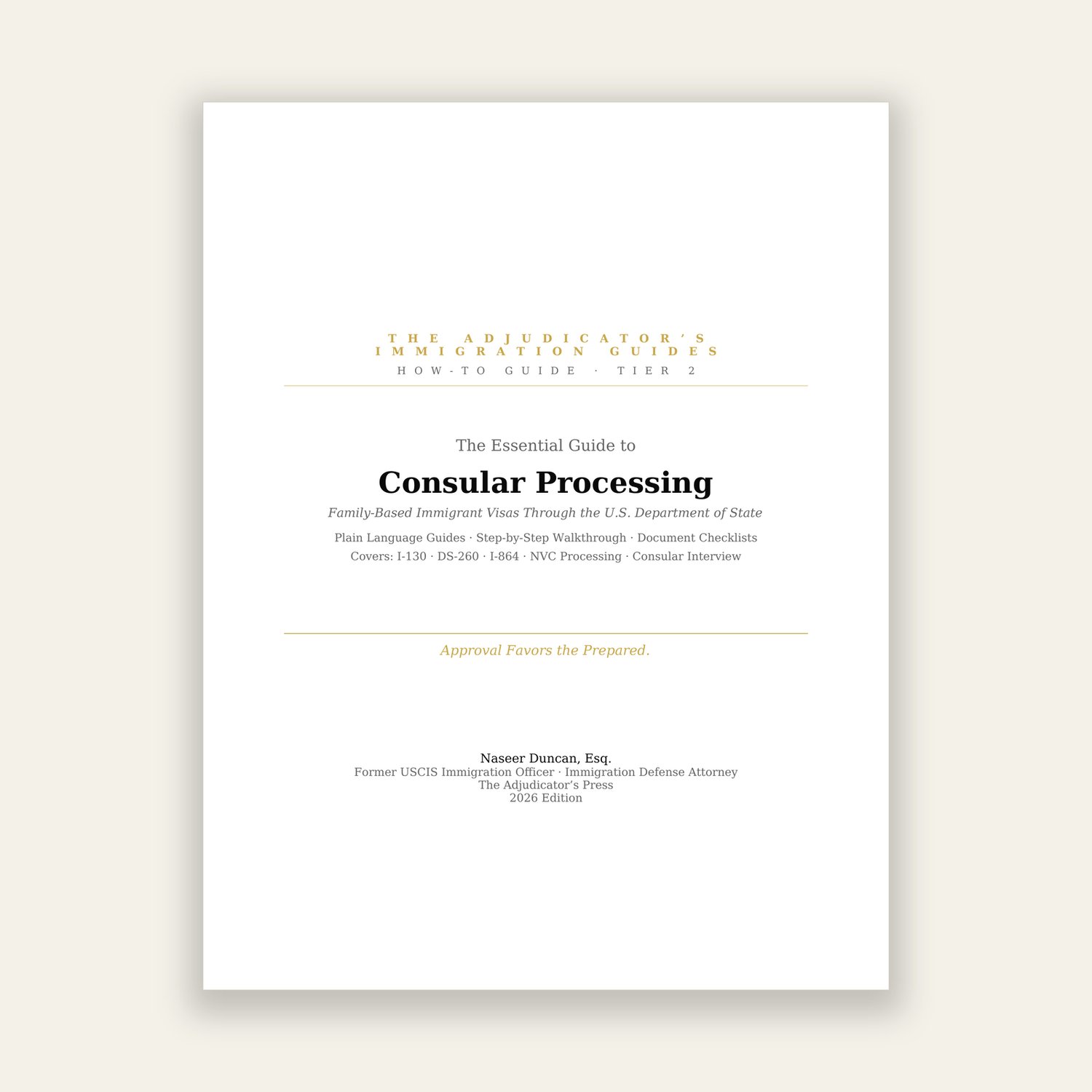
The Essential Consular Processing Guide
The Essential Guide to Consular Processing
Understand What the Government Is Looking For Before Your Interview
Consular processing can feel like a black box. You send your documents to the National Visa Center, you wait months for any update, and then you walk into an interview where one officer decides whether your family moves forward or your case stalls. Most applicants never learn what the government is actually looking for.
You don't need to become an immigration expert. You need to become educated enough to understand your own case. This guide gets you there.
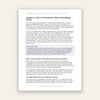
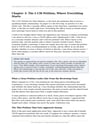
It is written by Naseer Duncan, Esq., a former USCIS Immigration Officer who spent years reviewing and deciding immigration petitions from the other side of the desk. You will see the process the way the officer sees it: what makes a petition look thin, what triggers a request for evidence, how an interview is actually evaluated, and where applicants quietly sink their own cases. Most delays and many denials start long before the interview.
A single I-864 error or a missing country-specific civil document can trigger a Request for Evidence that adds months to your wait. This guide shows you the errors that cause them.
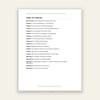
Inside the guide:
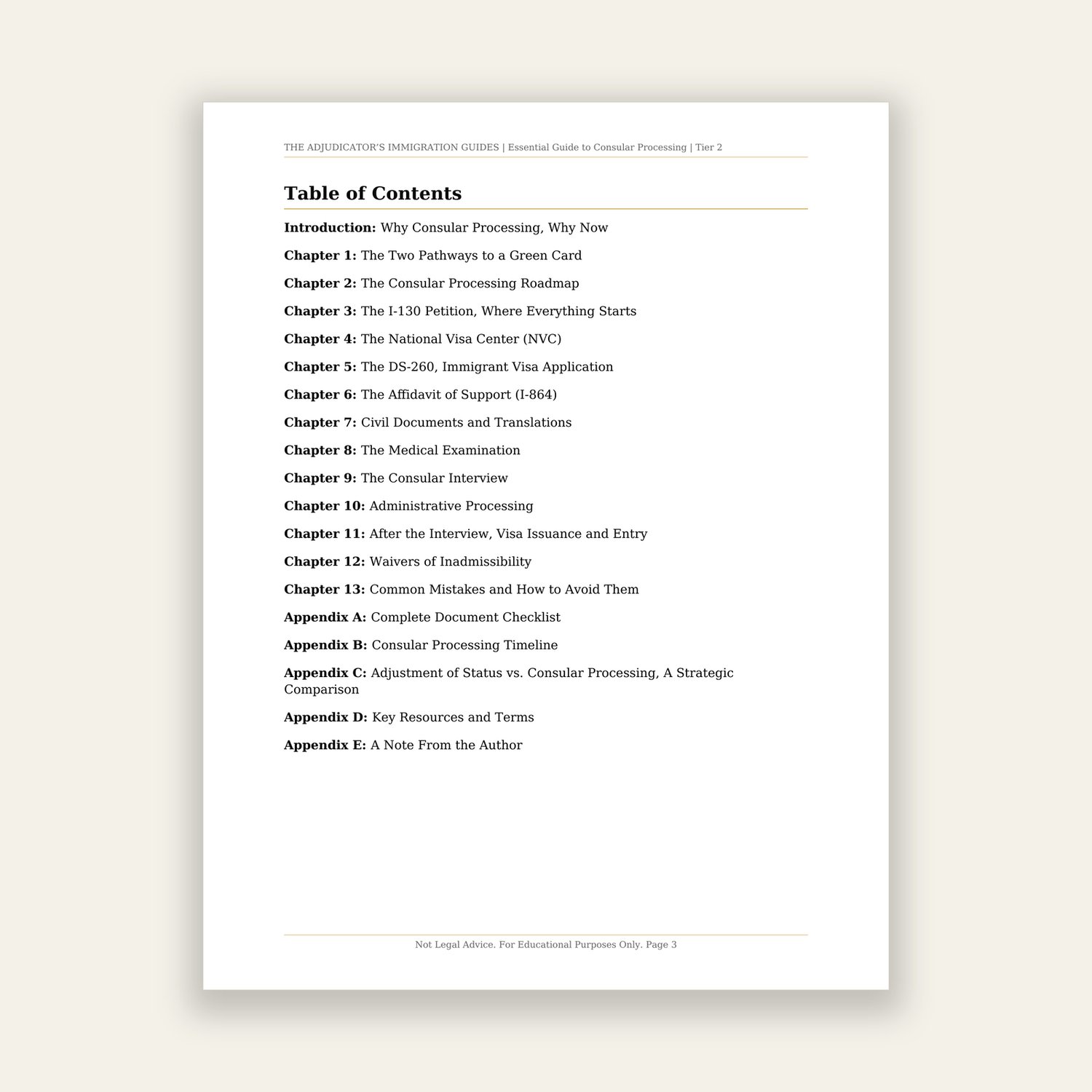
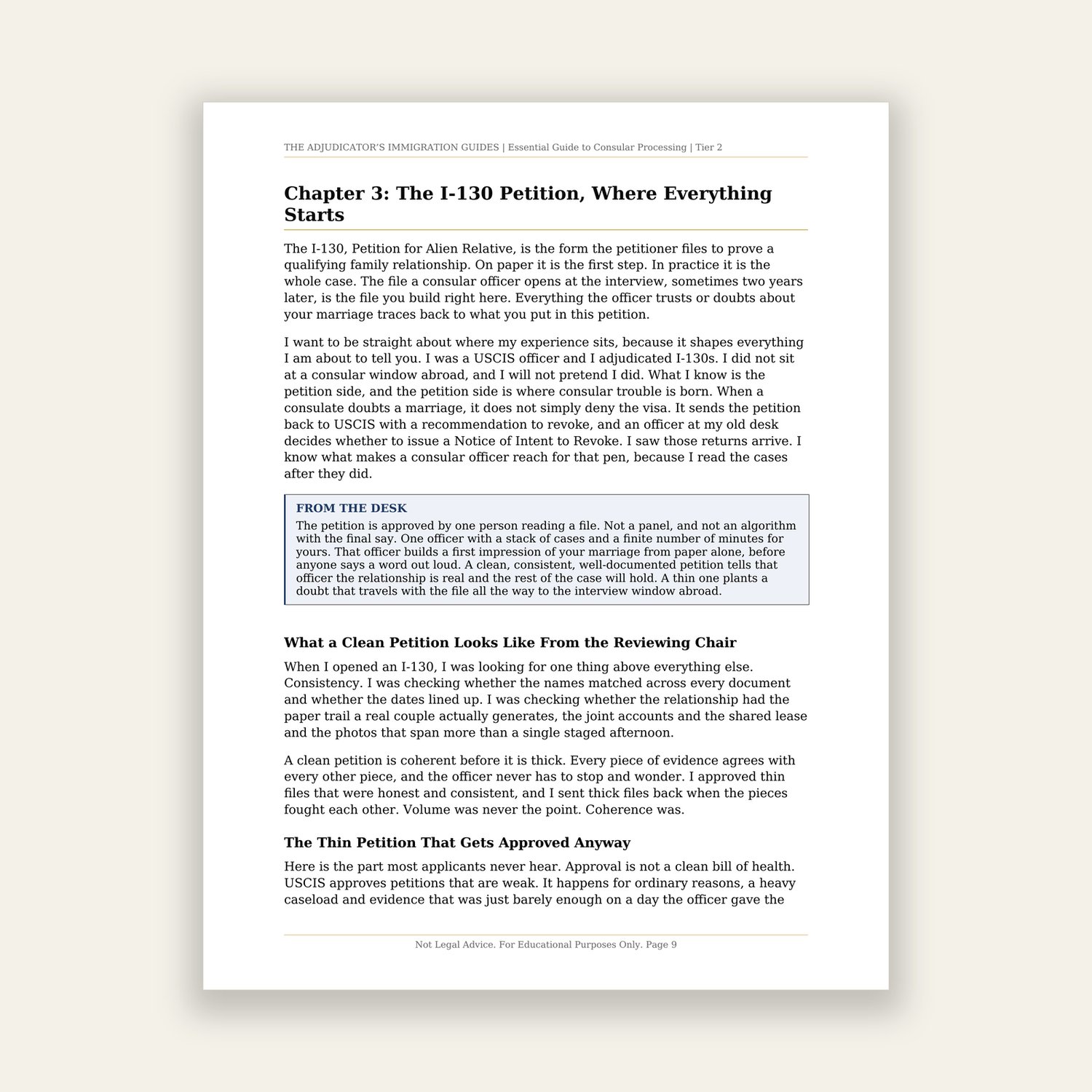
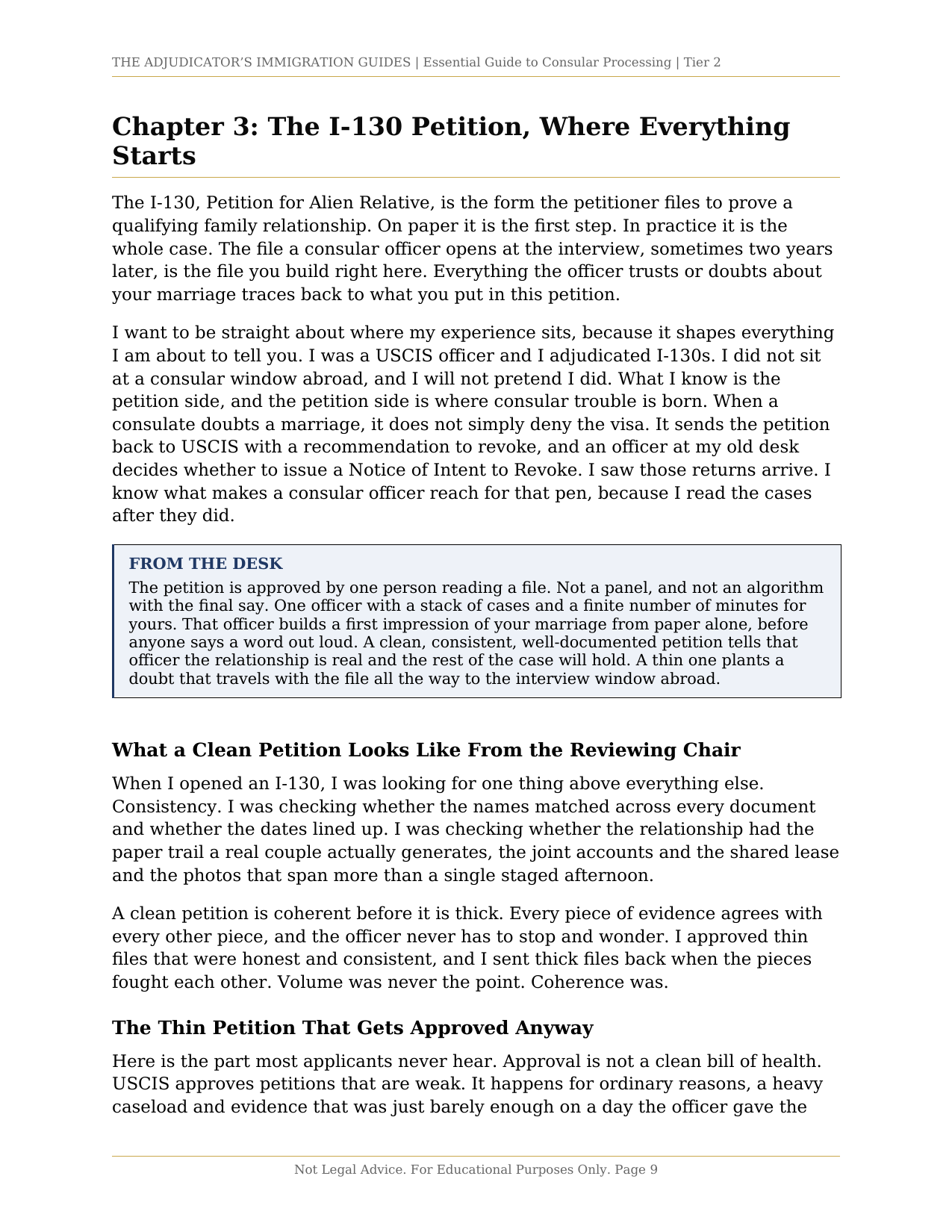
- The I-130 Petition: See how a USCIS officer reads it, and what makes one look weak enough to draw scrutiny.
- The National Visa Center and DS-260: Learn the document order that keeps your case moving instead of stalling.
- The Affidavit of Support (Form I-864): Understand the income rules and tax transcript requirements sponsors get wrong most often.
- Civil Documents and Translations: Get the police-certificate rules that change from one country to the next.
- The Medical Exam and Consular Interview: Discover what the officer is really measuring behind the standard questions.
- Administrative Processing: Understand the reality of DS-5535 and 221(g) holds, and how long the wait actually runs.
- Waivers of Inadmissibility: Avoid the common mistakes that cost applicants months.
What you get:
- 39-Page PDF Guide: Written in plain, accessible language.
- Document Checklists: So you are never guessing what to bring.
- Stage-by-Stage Timeline: Track exactly where you are in the process.
- Adjustment of Status vs. Consular Processing: A clear comparison so you can see where your case fits.
Written in plain English. No legal jargon. No law degree required. Instant PDF download.
It is for anyone going through consular processing who wants to understand their own case, whether or not they have hired a lawyer.
The goal is not to replace an attorney. The goal is to understand your own case well enough to know when you need one.
Approval Favors the Prepared.
This guide is educational and is not legal advice. It does not create an attorney-client relationship, and no guarantees are made regarding any immigration outcome.