

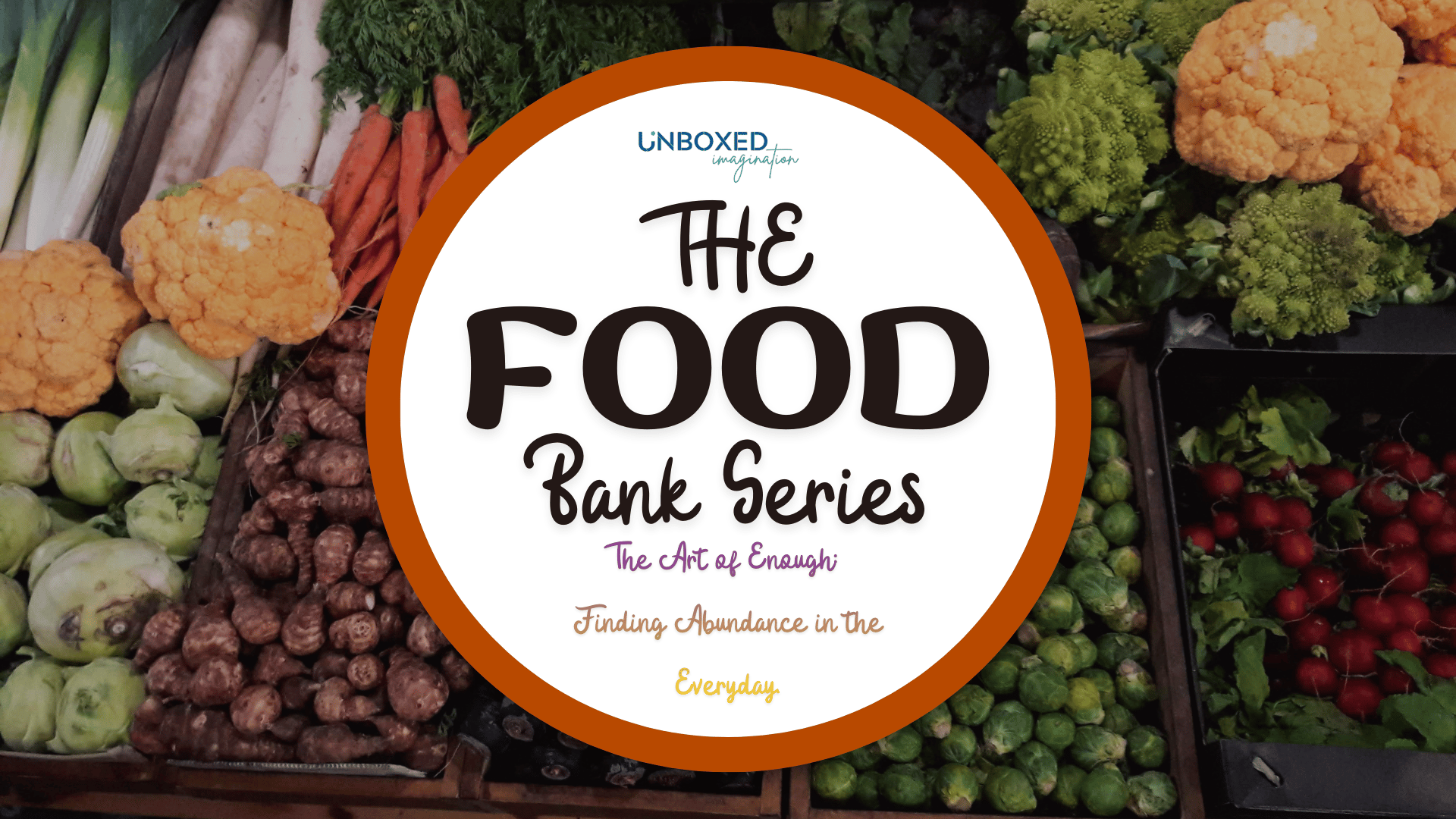
Making More with Less
Discover how to turn simple, everyday ingredients into nourishing, delicious meals for your family, while unlocking your creativity and confidence in the kitchen. This hands-on, facilitator-led course combines easy, adaptable recipes with fun activities, storytelling, and reflection, helping participants explore the culture, history, and flavour of the foods we often take for granted.

Food, Creativity, and Freedom on the Breadline
Through practical cooking, sensory exercises, and journaling, you’ll learn to make the most of what you have, develop new skills, and reframe limitations as opportunities. Along the way, participants will share their experiences, discover new flavours, and gain tools for creativity, mindfulness, and resilience, all in a supportive, judgement-free environment.
Course curriculum
FAQs
-
This course is designed for parents, carers, and anyone using food banks or living on a tight budget who wants to make the most of everyday ingredients. No prior cooking experience is needed, just curiosity and a willingness to try new things.
-
You’ll learn how to turn basic ingredients into nutritious, tasty meals, explore simple flavour principles, experiment with creative cooking techniques, and reflect on your relationship with food. The course also includes fun activities, journaling, and food storytelling.
-
Recipes are quick, adaptable, and family-friendly. You’ll try dishes like cabbage & potato hash, courgette fritters, butternut & bean stew, kale & potato soup, budget pancakes, and sweet courgette muffins. Most recipes can be adjusted for different tastes, cultures, or cooking equipment.
-
Sessions are facilitator-led, interactive, and practical. They combine cooking demonstrations, group activities, discussions, and sensory exercises. All activities are optional, you can participate in the way that feels best for you.
-
No , all recipes are designed to work with minimal equipment. Most can be made on a single hob, frying pan, or pot. Optional adaptations are provided for ovens, slow cookers, or even steaming.
-
The full course is typically delivered in 6–8 weekly sessions, with each session lasting 1–2 hours. Flexibility is built in for participants who need shorter sessions or alternative scheduling.
-
The course addresses food insecurity, supports low-income families, and teaches practical life skills. Beyond cooking, it builds confidence, creativity, and resilience, helping participants make the most of what they have while improving nutrition, wellbeing, and community connection.
-
Register your interest and we will be in touch. Spaces may be limited, so early registration is recommended.