

2019 Conference Climate Change & Gardens 8. Simon Toomer
From 2019: Thinking Again: species choice for adaptation and resilience in designed historical treescapes - Simon
Toomer
Historical designed landscapes pose additional problems when selecting plants and developing planting designs as they are often restored to a particular point in time which might have had a different climate – and likely to be very different from the predicted climate changes the UK will see in the future. Long-lived species, especially trees, are more likely to be adversely affected by decisions made today.
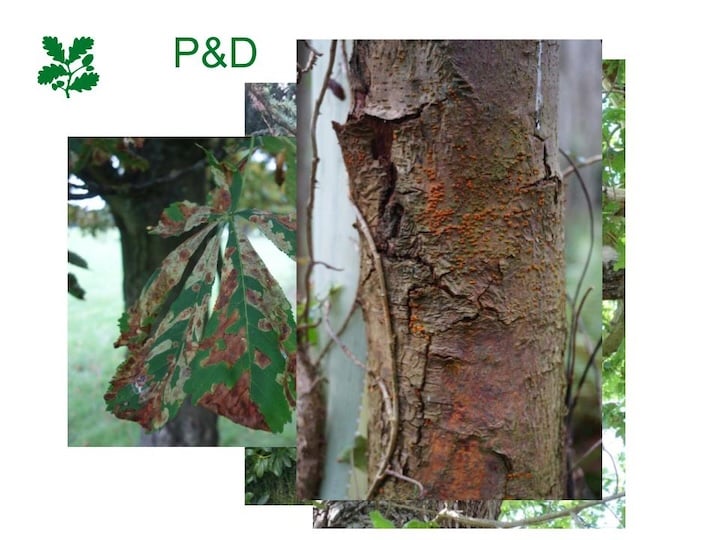
As the climate changes, there will be more extremes of temperature and rainfall, fewer days allowing for vernalisation so reduced fertility, and more varied pests and diseases. There is more
of a drive to find tree species for more resilient planting in the future, such as a new list of tree species for green infrastructure projects (see Tree Species Selection for Green Infrastructure: A Guide for Specifiers Please note - the 2025 version is linked here).
For historic settings, new species need to be considered that contribute to, or at least do not compromise, the Spirit of Place – the local distinctiveness, cultural history and overall aesthetics of any particular designed landscape. Simon introduced a range of different types of replacements: replacements could be literal (like for like), imitative (look-alikes), functional (same function but different in all other respects e.g. box replacements), contextual (historical accuracy), spiritual (maintai ning the spirit of the design), or inspirational (different but within the imaginative scope of the site). The type of replacement would need to be decided on a site-by-site basis and justified accordingly. Another consideration is the conservation role of a replacement – could a replacement be sought that fulfils the criteria of a site (Spirit of Place) while also providing an ex situ conservation opportunity? For example, Prumnopitys andina is rare in Chile but offers potential as a hedge material in a changing UK climate.