

UK Foster Carer Tax Relief Calculator & Record Book — HMRC Qualifying Care Relief (Excel + Google Sheets)
Not tax, legal or financial advice. A record-keeping and estimating aid. HMRC rules and amounts can change; check HS236 or ask HMRC or a tax adviser.
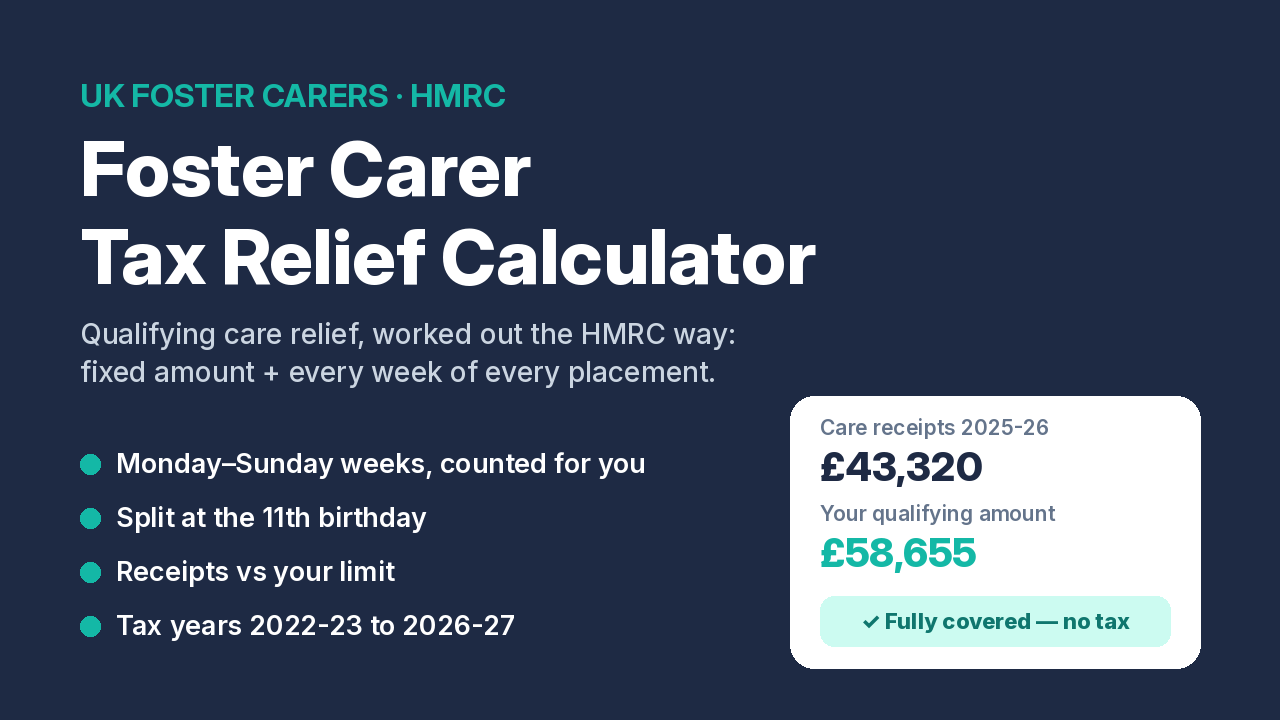
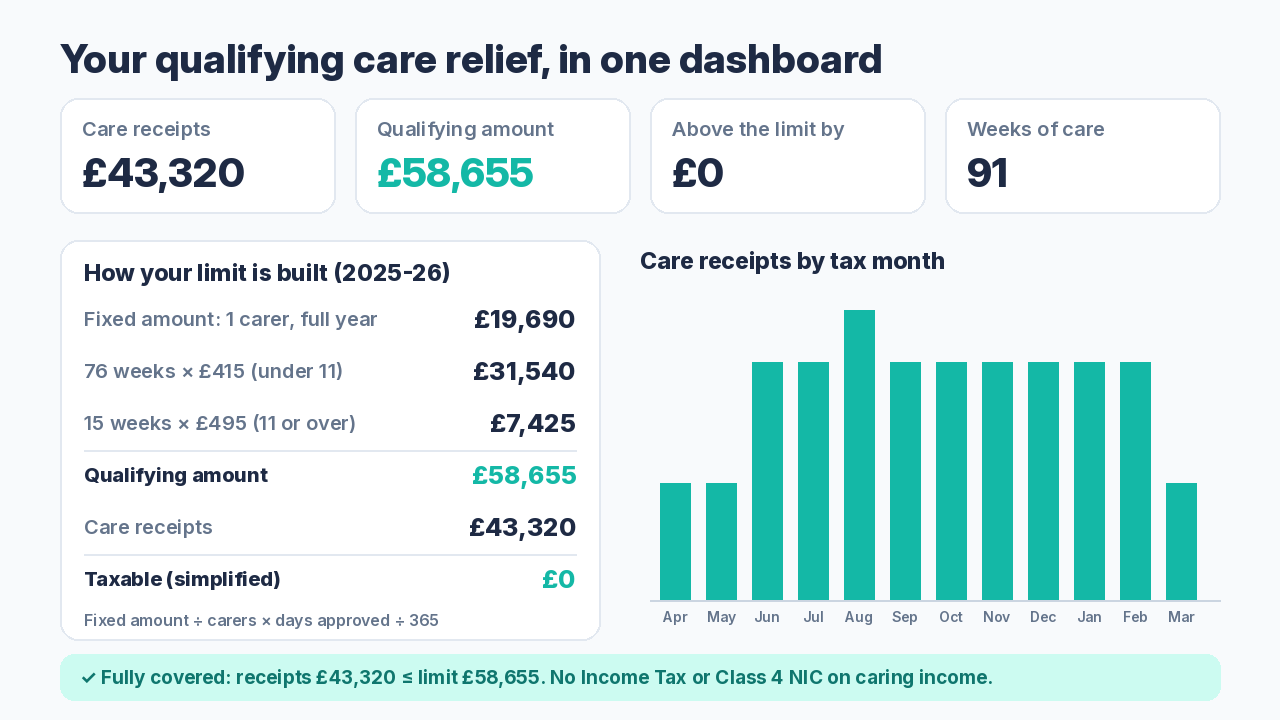
If you foster in the UK, most or all of your fostering income can be tax-free under HMRC's qualifying care relief. Your limit for the year is a fixed amount per household (£19,690 for 2025-26, £20,440 for 2026-27) plus a weekly amount for every child or adult you care for (2025-26: £415 a week under 11, £495 for 11 or over and adults).
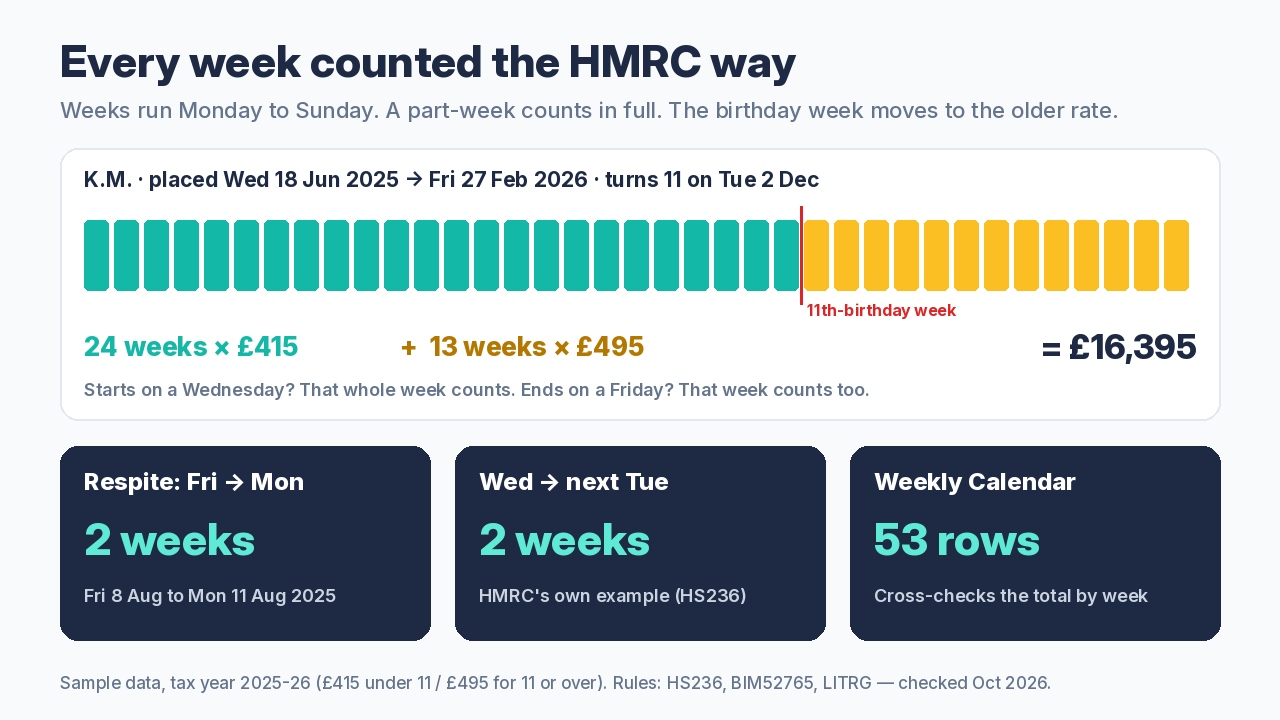
The weekly amounts are where it gets fiddly. Weeks run Monday to Sunday, a part-week counts in full, the rate changes from the week of the 11th birthday, respite stays count, and the fixed amount is shared between carers and pro-rated if you weren't approved all year.
The UK Foster Carer Tax Relief Calculator & Record Book does all of that for you:
- Placements log: type, date of birth, start and end. Weeks in the tax year are counted automatically and split at the 11th birthday. Warnings for overlapping rows, missing dates of birth and end-before-start.
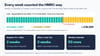
- Weekly Calendar: every Monday-to-Sunday week in the tax year with how many placements you had. It cross-checks the total.
- Receipts log: allowances, fees, reward payments, retainers and respite, grouped by tax year (6 April to 5 April) and tax month.
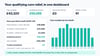
- Dashboard: your share of the fixed amount + weekly amounts = qualifying amount, against your care receipts, with the result in plain English:
- Fully covered: no Income Tax or Class 4 NIC on caring income; claim QCR on the self-employment (short) pages.
- Above the limit: the simplified method (receipts − qualifying amount) side by side with the profit method (receipts − expenses − capital allowances), and which is lower.
- Tax years 2022-23 to 2026-27 built in, with every amount editable.
Every HMRC rule and amount was checked on GOV.UK and legislation.gov.uk on 18 October 2026: HS236 (2026), the Income Tax (Indexation of Qualifying Care Relief Amounts) Order 2026 (SI 2026/39), HMRC Business Income Manual BIM52765 and LITRG. Each is listed with its link in the Sources tab.
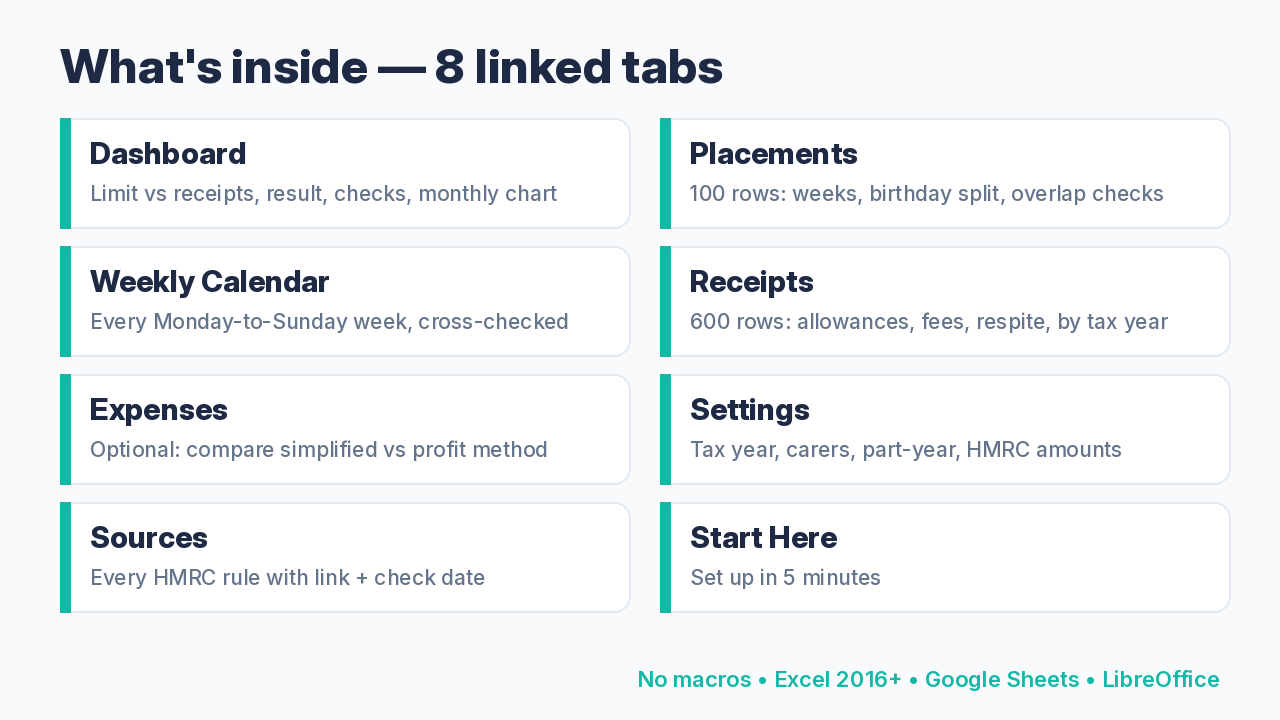
What's inside
- Dashboard: limit vs receipts, result, both methods, checks, receipts by tax month with a chart
- Placements: 100 rows
- Weekly Calendar: 53 weeks, a cross-check of the count
- Receipts: 600 rows
- Expenses (optional): 600 rows, to compare the profit method
- Settings: tax year, carers in the household, part-year approval, specialist additions, capital allowances, the HMRC amounts table
- Sources: every rule with its link and check date
- Quick-start guide (PDF, 2 pages)
Details
- .xlsx for Excel 2016+, Google Sheets and LibreOffice
- No macros, no add-ons, no subscription
- Sample data included so you can see it working, then clear it
- Yellow = you type, grey = formulas
- Instant download
FAQ
Does it work in Google Sheets? Yes. Upload it to Google Drive, open it, then File → Save as Google Sheets.
Which tax year should I use? The return due by 31 January 2027 is for 2025-26 (6 April 2025 to 5 April 2026). Pick the year in Settings; 2026-27 amounts are already included.
My partner and I both foster. The fixed amount is shared equally between the carers in the household; enter the number of carers. Weekly amounts go to the carer who receives the payments for that placement. If you each file, use a copy each.
Do respite and short breaks count? Yes. Add each stay as a placement row. A Friday-to-Monday stay counts as 2 weeks, because a part-week counts in full.
Why does 2026-27 show 53 weeks for a full-year placement? HMRC counts weeks Monday to Sunday, and the week in which the tax year ends belongs to that year. The last week of 2026-27 starts on Monday 5 April 2027, so that year has 53 counted weeks.
Staying Put, Shared Lives, parent-and-child? All are supported. Staying Put and adults are at the adult rate. For parent-and-child placements, add a row for the parent and each baby. (Shared Lives: QCR does not apply if you get receipts for more than three people at the same time.)
Do I still need to file a tax return? HMRC's helpsheet HS236 says to fill in a return and claim QCR on the self-employment (short) pages, even if your receipts are under the limit. This workbook gives you the figures. It doesn't file anything.
Is this tax advice? No. It's a record-keeping and estimating aid. Check HS236 or ask HMRC or a tax adviser.
Refunds? It's a digital download. If anything doesn't work, message me and I'll fix it or refund you.
More from StraightGate
- All templates: https://straightgate.gumroad.com