

NCLEX-RN Cardiac & ECG Rhythm Strip Interpretation Workbook
On Sale
$22.00
(60% off)
$8.80
Cardiac and ECG rhythm strip interpretation for the Next-Gen NCLEX-RN — every question built from an actual rhythm strip and a realistic clinical scenario.
Inside:
- ECG basics: P wave, QRS complex, T wave, PR interval (0.12–0.20 sec), QT interval, QRS under 0.12 sec, normal rate 60–100/min, the ECG grid, and three rate methods (300 method, 6-second method, 1500 method)
- The 6-step rhythm interpretation method — rate, regularity, P waves, PR interval, QRS width, then the name — with four worked strip examples
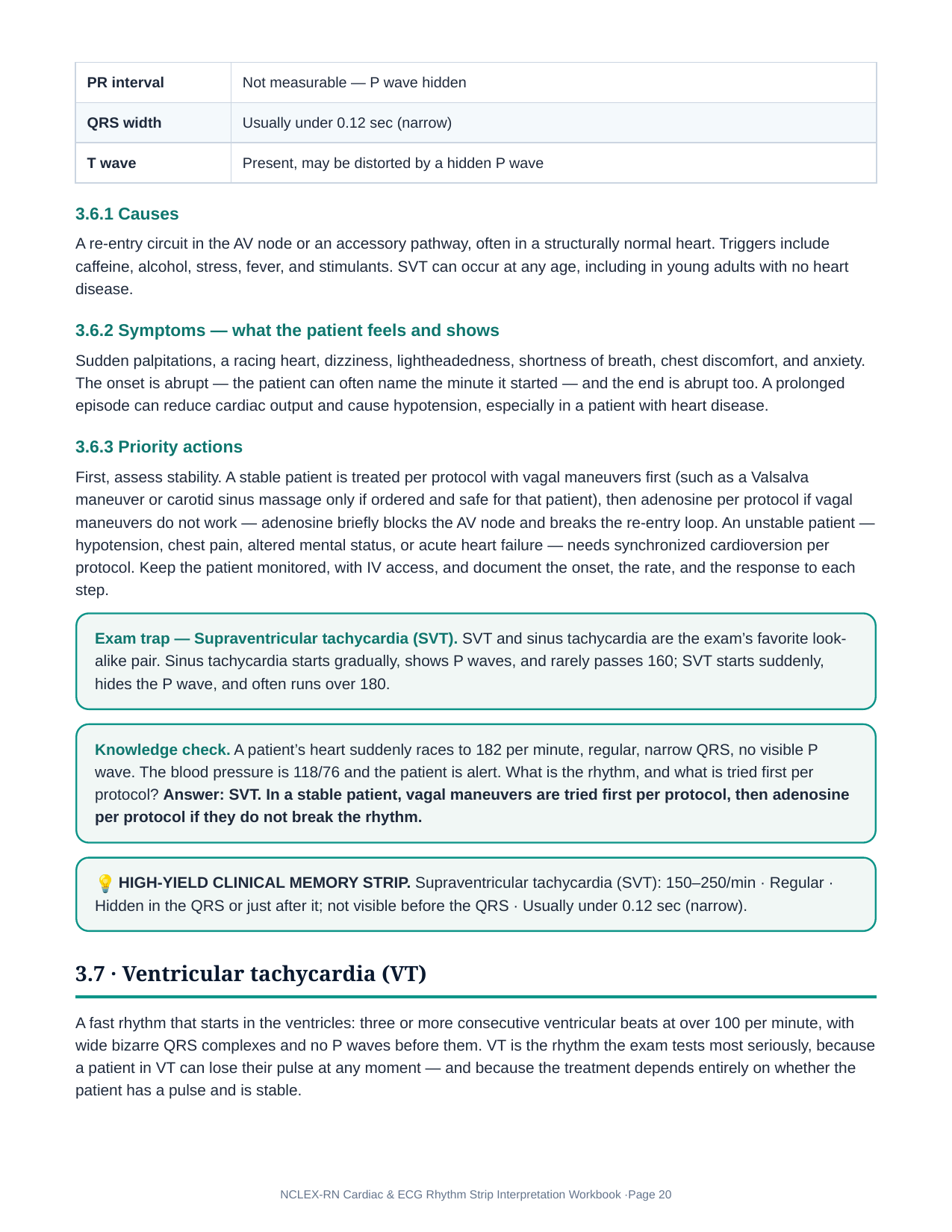
- A detailed profile for every rhythm: normal sinus rhythm, sinus bradycardia, sinus tachycardia, atrial fibrillation, atrial flutter, SVT, ventricular tachycardia, ventricular fibrillation, asystole, PEA, first/second/third-degree heart blocks, junctional rhythm, PACs, PVCs, plus sinus arrhythmia — each with a drawn rhythm strip, strip features, causes, symptoms, and priority actions
- Stable vs. unstable: the six signs of instability, ABCs, oxygen, IV access, monitor, and defibrillation vs. synchronized cardioversion
- Drug correlation: atropine, adenosine, amiodarone, beta-blockers, calcium channel blockers, and when each is used (no doses asserted anywhere in the book)
- Safety checks: verify the rhythm, recheck the monitor, and never treat the monitor without assessing the patient
- Rhythm look-alikes side by side (AFib vs. flutter, SVT vs. sinus tach, VT vs. SVT, Wenckebach vs. type II, PAC vs. PVC, PEA vs. asystole, junctional vs. sinus brady)
- 10 NGN unfolding cases with cue timelines, plus electrolytes and drugs on the ECG, pacemakers and ICDs, chest pain and ACS recognition, SBAR handover, post-arrest and post-cardioversion care, and the 60-second strip read
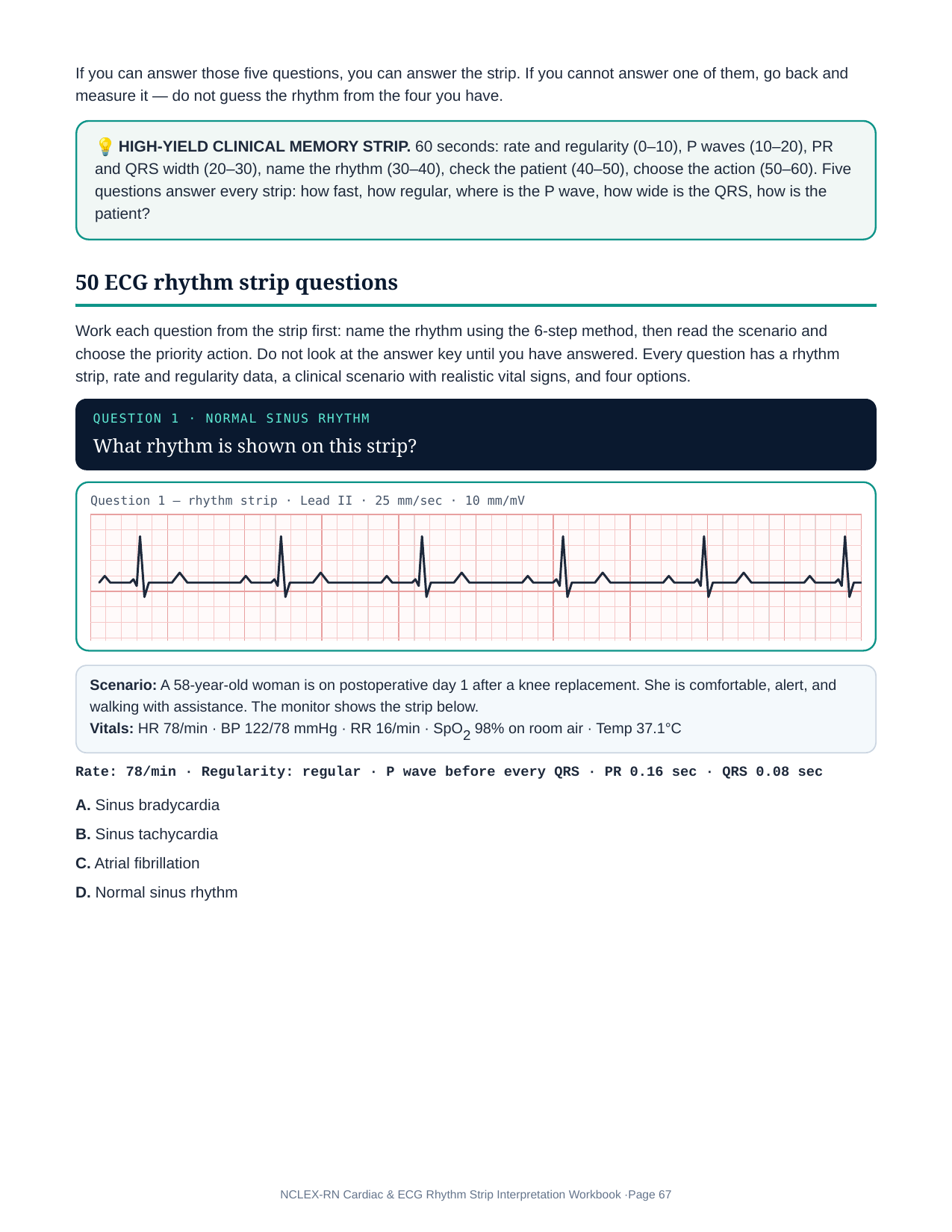
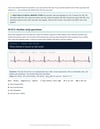
- 50 ECG rhythm strip questions — every one with a drawn rhythm strip on an ECG grid, rate and regularity data, a clinical scenario with realistic vital signs, and four options — plus a full answer key explaining the correct answer, why each distractor is wrong, and the clinical judgment step for every question
- 50 rapid-fire strip drills, 10 rate drills, a final review checklist, and a glossary
No real medicine doses are asserted in this book — dosing is prescriber-ordered and product-specific. Drugs are named with their use and indication only; no dose figure is given for any medicine. Original teaching cases written for exam practice. This workbook is not affiliated with NCSBN and does not guarantee a pass. If you find an error, a corrected version will be sent free.