
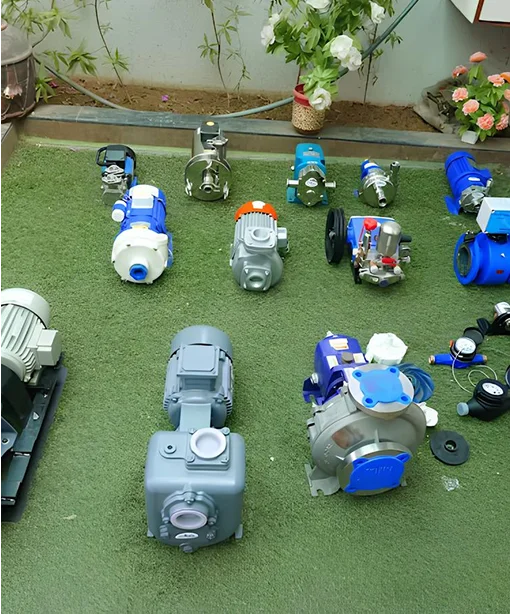
Dewatering Pumps for Efficient Water Removal
Water accumulation can create serious challenges at construction sites, mining locations, industrial facilities, and other work environments. Removing unwanted water on time is important for maintaining safe working conditions and keeping operations on schedule. Dewatering Pumps in India are widely used for applications where excess water needs to be removed from flooded areas, excavations, and other locations. Choosing suitable pumping equipment helps businesses manage water removal according to their site requirements.
Understanding the Importance of Dewatering Pumps
Dewatering pumps are designed to remove unwanted water from areas where its presence can interrupt regular activities. These pumps are commonly used at construction sites, underground projects, mines, drainage systems, and industrial locations.
Depending on the application, dewatering equipment may handle clean water, muddy water, or water containing suspended particles. The pump design and construction therefore play an important role in determining its suitability.

Common Applications of Dewatering Pumps
Dewatering equipment supports several industries where effective water removal is necessary.
Some important applications include:
- Construction Sites: Removing accumulated water from foundations, trenches, and excavations.
- Mining Operations: Managing water collected in mining areas and underground working spaces.
- Industrial Facilities: Removing unwanted water from production and storage areas.
- Flood Management: Supporting water removal from affected locations.
- Infrastructure Projects: Helping maintain dry working areas during road and drainage construction.
The correct pump selection depends on the amount of water, discharge distance, required flow rate, and site conditions.
How to Choose the Right Dewatering Pump
Selecting suitable equipment requires an understanding of the actual working environment. A pump used for relatively clean water may not be appropriate for applications involving mud or suspended solids.
Before purchasing, businesses should consider the following factors:
- Flow Capacity: Determine how much water needs to be removed within a specific time.
- Discharge Head: Check the vertical and horizontal distance over which water must be pumped.
- Water Conditions: Consider whether the water contains mud, sand, or other particles.
- Power Requirements: Select equipment compatible with the available power supply.
- Site Conditions: Evaluate installation space, accessibility, and operating environment.
Reviewing these details helps businesses identify equipment that matches their project requirements.
Selecting Reliable Dewatering Pumps Manufacturers
Working with suitable Dewatering Pumps Manufacturers is an important part of purchasing industrial pumping equipment. Buyers should compare technical specifications, construction materials, pump capacity, and application suitability before making a decision.
It is also useful to explain the site conditions and water characteristics when discussing equipment requirements. This helps narrow down suitable pump options and avoid selecting equipment that does not match the intended application.
About Gen Creative Engineers
Gen Creative Engineers is the business name provided for this article. Companies looking for dewatering equipment should evaluate their specific water removal requirements and review relevant technical information before selecting a suitable pumping solution.
Conclusion
Dewatering pumps are essential for managing excess water across construction, mining, industrial, and infrastructure projects. Selecting the right equipment involves understanding water conditions, flow requirements, discharge head, and site limitations. With proper equipment selection, businesses can manage water removal more effectively and maintain smoother project operations.