
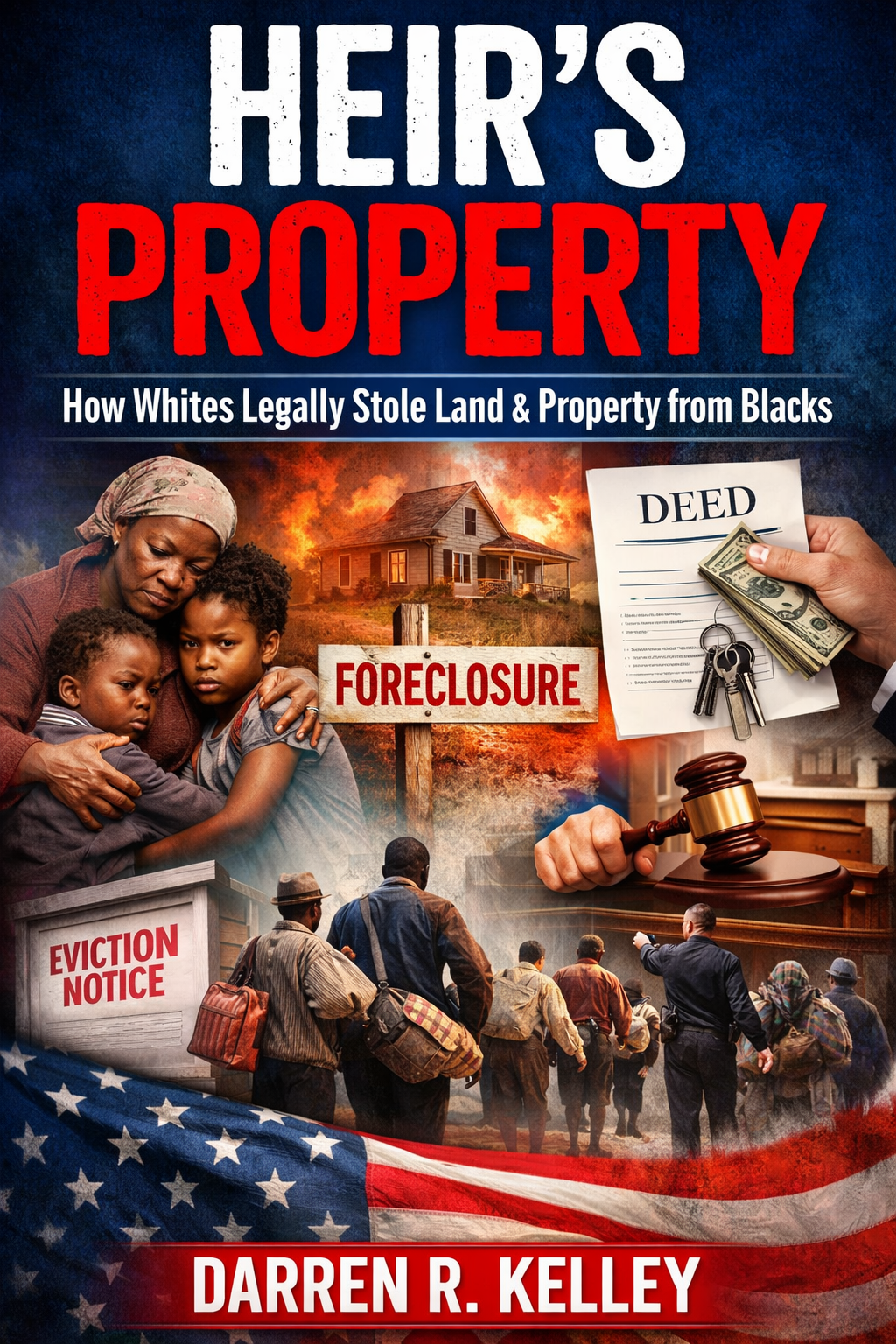
HEIRS PROPERTY
Armed with the knowledge that heirs' property affects land ownership, this work circumvents unnecessary jargon and conveys its meaning in plain language. The approach emphasizes what heirs' property is, why it matters, and how it impacts families and communities. Consequently, the initial passage provides a straightforward definition, outlines the work's key topics and questions, and establishes the stakes for Black landholders and communities.
Heirs’ property denotes land automatically passed to multiple owners after the original holder dies, often without a will. After acquiring an interest, any owner can sell without rerouting the transaction through the entire group. Typical land tenure forms include tenancy in common and joint tenancy; the first allows unequal ownership shares, and the latter entails equal, undivided ownership. During daily use, property is characterized as “tillable” if it can satisfy a land loan, real estate loan, or agricultural loan; it is regarded as unimproved and unrecognizable instead. Controlling only a minor share among multiple owners decreases land access and value, as does opportunity to execute transactions for cash or capital. The legal system permits pressure to sell estate interests, leading to community fragmentation, exacerbating disadvantage, and threatening farm viability (Yasuko Ogawa, 2008) ; Mitchell, 2001).