
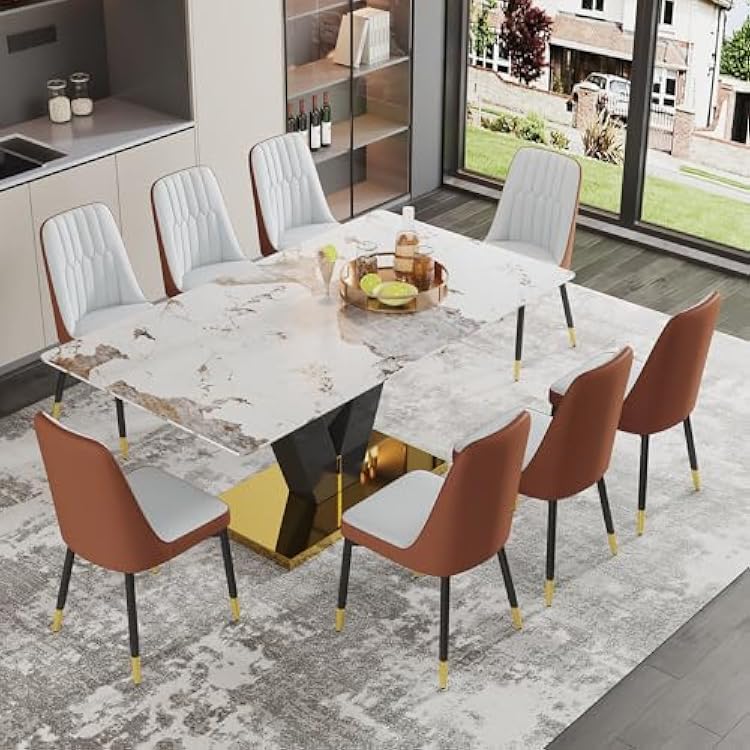
Dining Table: Creating a Comfortable and Stylish Centerpiece for Your Home
A dining table is an essential part of a home, bringing family custom dining table members and guests together for meals, conversations, celebrations, and everyday moments. Beyond its practical purpose, the right dining table can enhance the appearance of a room and create a welcoming atmosphere. With different shapes, materials, sizes, and designs available, homeowners can find a dining table that complements their lifestyle and interior décor.
The Importance of Choosing the Right Dining Table
A dining table should provide enough space for comfortable seating while fitting naturally into the room. Selecting the right dimensions can help maintain convenient movement around chairs and other furniture. The table should also match the number of people who regularly use the dining area.
For smaller rooms, a compact or round table can make efficient use of available space. Larger dining areas may accommodate rectangular or oval tables with additional seating.
Popular Dining Table Materials
The material of a dining table has a significant impact on its appearance and durability.
Solid Wood Dining Tables
Solid wood remains a popular choice because of its natural grain, warmth, and timeless appearance. Different wood species can provide distinctive colors and textures, allowing homeowners to create a traditional or contemporary look.
Modern Mixed-Material Tables
Tables combining wood with metal or other materials can provide a contemporary appearance. These designs are particularly suitable for industrial, modern, and transitional interiors.
Glass Dining Tables
Glass tabletops can create a lighter visual appearance and work well in contemporary spaces. They can also help smaller dining rooms feel more open.
Choosing the Ideal Dining Table Shape
The shape of a table can influence both the appearance and functionality of your dining area.
Rectangular tables are versatile and provide plenty of seating for families and gatherings. Round tables encourage conversation and can work particularly well in compact spaces. Oval tables combine some of the benefits of rectangular and rounded designs, while square tables can suit smaller, symmetrical dining areas.
Consider the shape of your room and the amount of available floor space before selecting a design.
Dining Table Styles for Different Interiors
A dining table should complement the existing style of your home. A rustic wooden table can add warmth to a farmhouse-inspired room, while a sleek table with clean lines may suit a modern interior.
Traditional spaces may benefit from detailed woodwork and classic finishes. Minimalist interiors often pair well with simple tabletops and understated bases. Choosing a complementary style can help the dining area feel coordinated rather than disconnected from the rest of the home.
Consider an Expandable Dining Table
An expandable dining table can provide additional flexibility for households that regularly host guests. It can remain compact during everyday meals and provide extra surface area when more seating is required.
This type of table can be especially useful when homeowners want to balance comfortable daily use with occasional entertaining without keeping a large table permanently extended.
How to Maintain Your Dining Table
Regular care can help preserve the appearance of dining furniture. Clean spills promptly, use suitable cleaning products for the selected material, and avoid placing excessively hot objects directly on the surface unless the manufacturer specifies that it is safe.
Using placemats, coasters, and table protection can also reduce everyday wear. For wooden tables, following the recommended care routine for the particular finish can help maintain the natural appearance of the surface.
Create a Welcoming Dining Area
The dining table often becomes the focal point of the dining room, so surrounding furniture and décor should support its design. Comfortable chairs, suitable lighting, rugs, and carefully selected accessories can make the area more inviting.
A well-planned dining space should provide both visual appeal and practical comfort, making it suitable for quick weekday meals as well as larger family gatherings.
Conclusion
Choosing the right dining table involves more than selecting an attractive design. Size, shape, material, seating capacity, maintenance requirements, and interior style all contribute to creating a functional dining environment. Whether you prefer a classic wooden table, a modern design, or an expandable option, thoughtful selection can help you create a comfortable centerpiece that serves your household for years to come.