
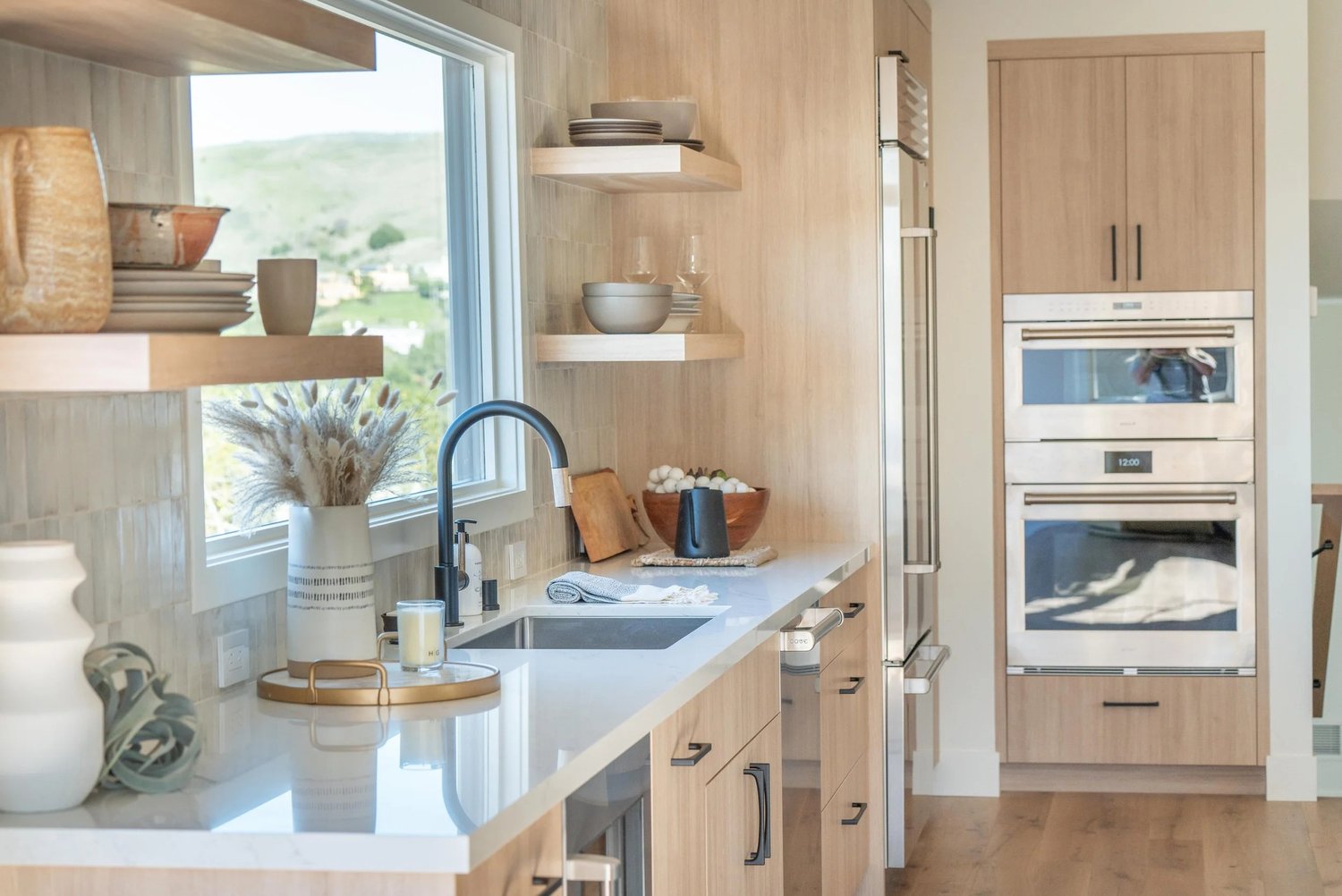
Thoughtful Interior Design: Creating Spaces That Inspire Everyday Living
Creating Interiors That Balance Beauty and Function
A thoughtfully designed interior does more than improve the appearance of a property; it influences comfort, productivity, and daily routines. From selecting suitable furniture to arranging lighting and choosing complementary colors, every decision contributes to the overall atmosphere. Understanding the value of professional guidance can help homeowners and businesses create spaces that reflect their needs. For individuals exploring design possibilities, the option to contact Studio Squire offers a starting point for understanding how professional planning can transform an ordinary room into a practical and visually appealing environment.
Understanding the Importance of Professional Design
Interior design involves much more than choosing attractive decorations. It requires careful consideration of spatial planning, natural light, materials, circulation, and the relationship between different elements. When planning a renovation or furnishing a new property, people may find it helpful to contact Studio Squire to explore ideas that align with their preferences and practical requirements. A well-organized design process can help prevent unnecessary purchases, improve the use of available space, and establish a consistent visual direction. These considerations are especially important when a room must accommodate several activities without feeling crowded or disorganized.
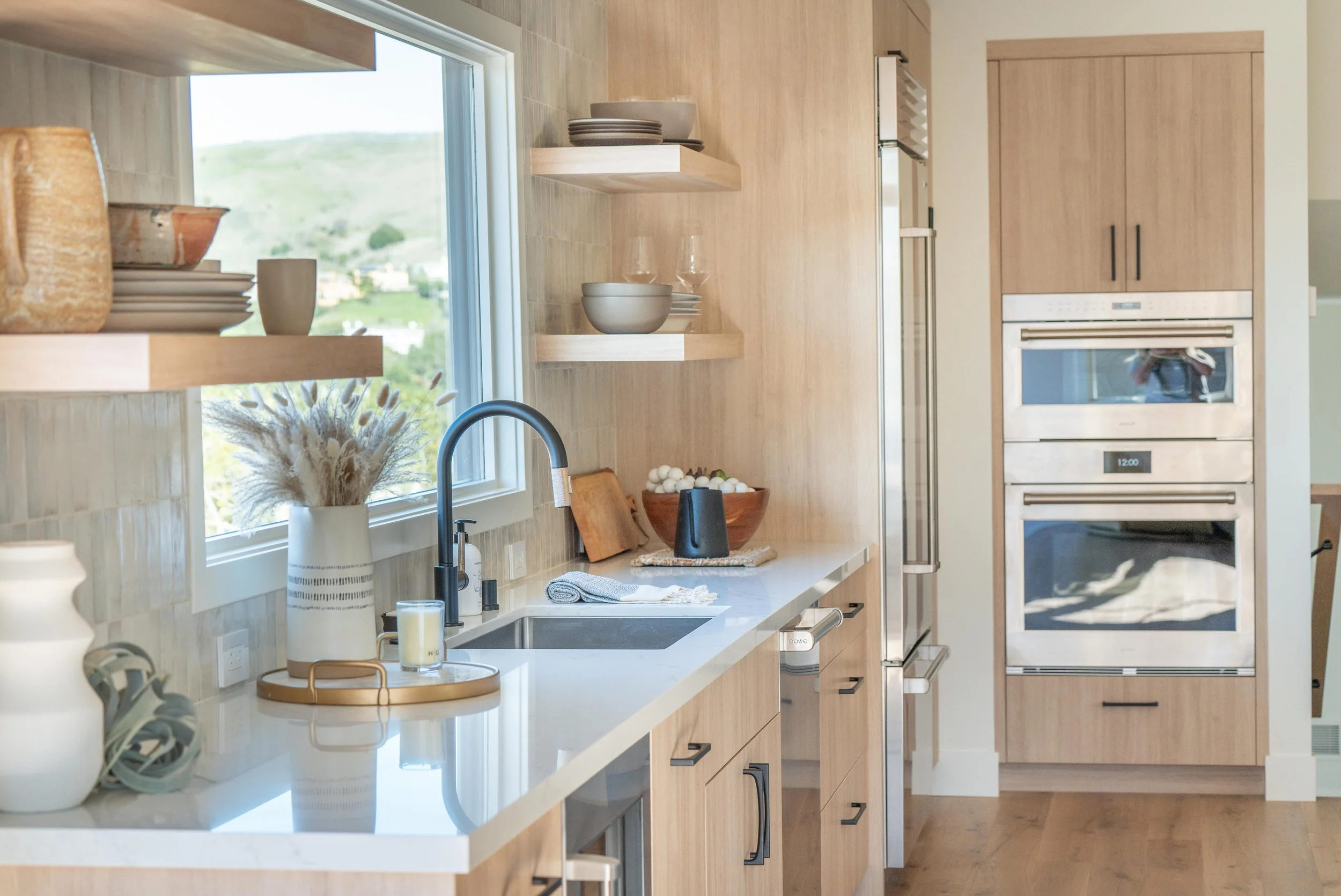
The Role of Color, Lighting, and Materials
Color has a powerful influence on the character of an interior. Neutral shades can create a calm foundation, while carefully selected accent colors introduce personality and visual interest. Lighting also plays an essential role because it affects how colors, textures, and furniture appear throughout the day. Natural light can make smaller rooms feel more open, while layered artificial lighting supports different activities after sunset. Materials add another dimension through their texture, durability, and maintenance requirements. Combining these elements thoughtfully allows interior spaces to feel balanced, comfortable, and suitable for the people who use them regularly.
How Personal Style Shapes Interior Design
Every property has different requirements, and personal preferences help determine which design choices are most appropriate. Some people appreciate minimalist interiors with clean lines and uncluttered surfaces, while others prefer traditional details, expressive artwork, or layered textures. Exploring interior design by Studio Squire can help readers understand how individual tastes may be translated into a cohesive design concept. The most successful interiors typically balance personal expression with practical considerations, including available space, household routines, and long-term usability. Instead of following every passing trend, a considered approach focuses on creating surroundings that remain appealing and useful over time.
Making Small Spaces More Functional
Limited space does not necessarily prevent a property from feeling comfortable or sophisticated. Thoughtful furniture selection, suitable storage, and a clear layout can make compact rooms significantly more functional. Furniture with multiple uses can reduce clutter, while mirrors and carefully positioned lighting may help create a greater sense of openness. In this context, interior design by Studio Squire provides a useful keyword for exploring professional design approaches that consider both appearance and everyday practicality. Choosing appropriately scaled furniture and maintaining clear pathways can also improve movement, making even a modest room feel more organized and welcoming.
Sustainable Choices for Modern Interiors
Sustainability has become an important consideration in contemporary interior planning. Selecting durable materials, reusing suitable furniture, and investing in energy-efficient lighting can reduce waste while supporting long-term value. Natural materials, responsibly sourced products, and timeless finishes may also help create interiors that require fewer replacements over the years. Practical sustainability does not always require an extensive renovation or a substantial budget. Small decisions, such as improving daylight access or repairing existing furnishings, can contribute to a more responsible approach. Careful planning allows environmental considerations to complement visual appeal without compromising comfort, convenience, or individual preferences.
Planning an Interior Design Project Successfully
A successful interior project begins with a clear understanding of priorities, available resources, and the intended use of each space. Establishing a realistic budget helps guide decisions about furniture, finishes, lighting, and professional services. Measurements should be taken before major purchases, and essential requirements should be considered before decorative details. A practical timeline can also reduce confusion during renovations and installations. Comparing materials, evaluating maintenance needs, and reviewing design options before making commitments can prevent avoidable expenses. With a structured approach, property owners can make informed decisions and develop interiors that support their lifestyles while maintaining a consistent appearance.
Conclusion: Building Spaces That Last
Well-planned interiors demonstrate how thoughtful design can improve everyday experiences while expressing individual preferences. From effective space planning to durable materials and balanced lighting, each element contributes to a more comfortable and functional environment. Professional design guidance can also help clarify priorities and bring different ideas together into a cohesive result. For readers interested in exploring available services and design possibilities, Studio-squireom offers a relevant starting point for further consideration. Ultimately, the strongest interior spaces combine visual appeal with lasting practicality, creating surroundings that remain useful, welcoming, and meaningful as needs and preferences evolve