



If you’re exhausted from managing yourself - your anxiety, reactions, bad habits - this guide addresses the pattern at the level where it actually formed, fostering transformation through experience rather than thru discipline or counteractive methods.
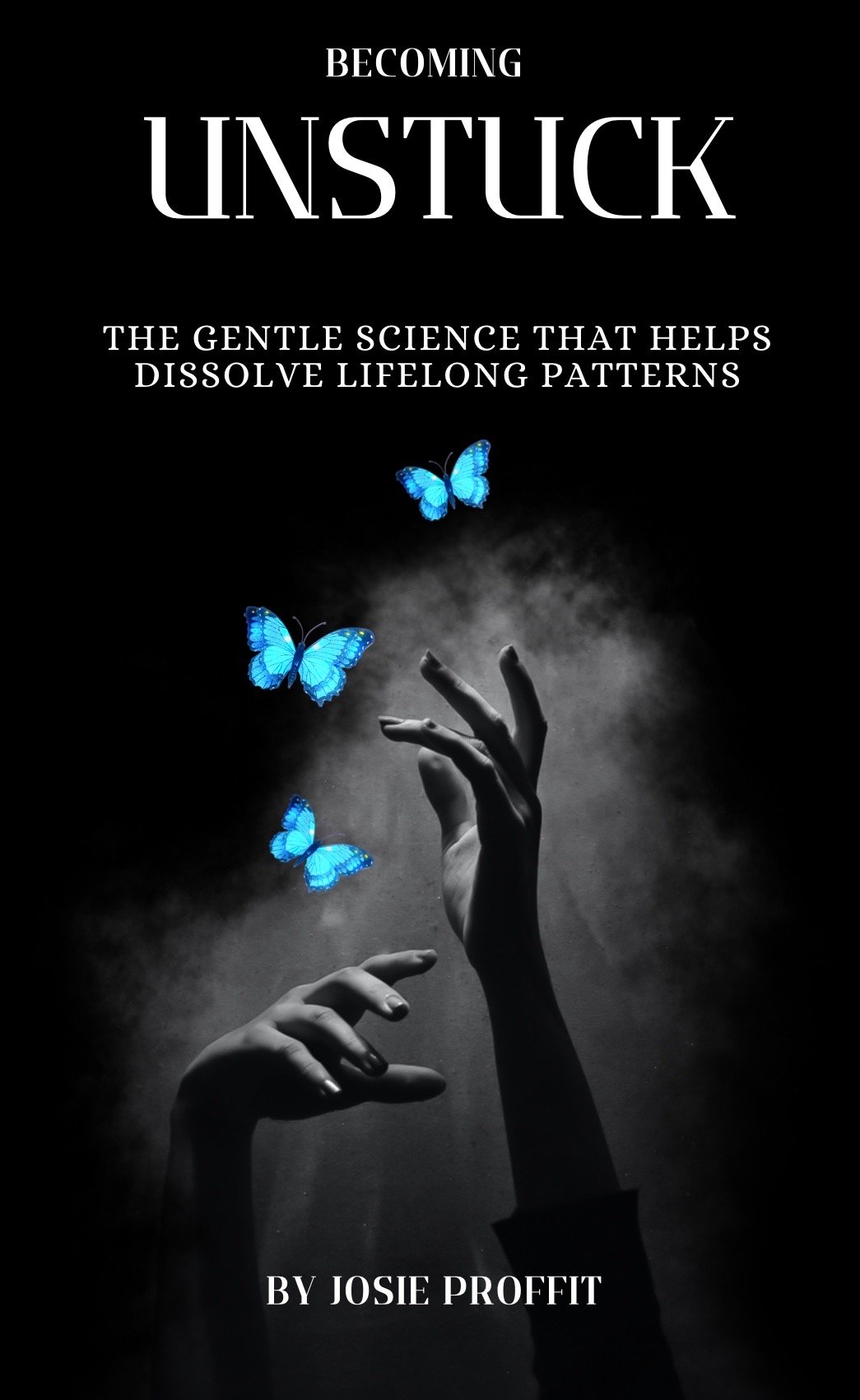
Becoming Unstuck e-book is a practical, experiential guide for beginning to let go of lifelong patterns - at the level they actually live.
If you’ve ever felt like you understand your patterns but still can’t seem to change them, there’s a reason. Most patterns aren’t maintained by conscious beliefs or habits - they’re maintained by the nervous system’s unconscious memory of what once kept you safe.
Anxiety, perfectionism, emotional numbness, over-giving, controlling, disappearing, burnout, self-sabotage - these aren’t flaws. They’re intelligent adaptations formed in relationship, often early, often quietly. And they don’t dissolve through insight, willpower, or reassurance. They dissolve when the brain receives a new lived experience that contradicts the original learning, while the original learning is activated in the mind and body.
This guide is designed to give your nervous system exactly that.
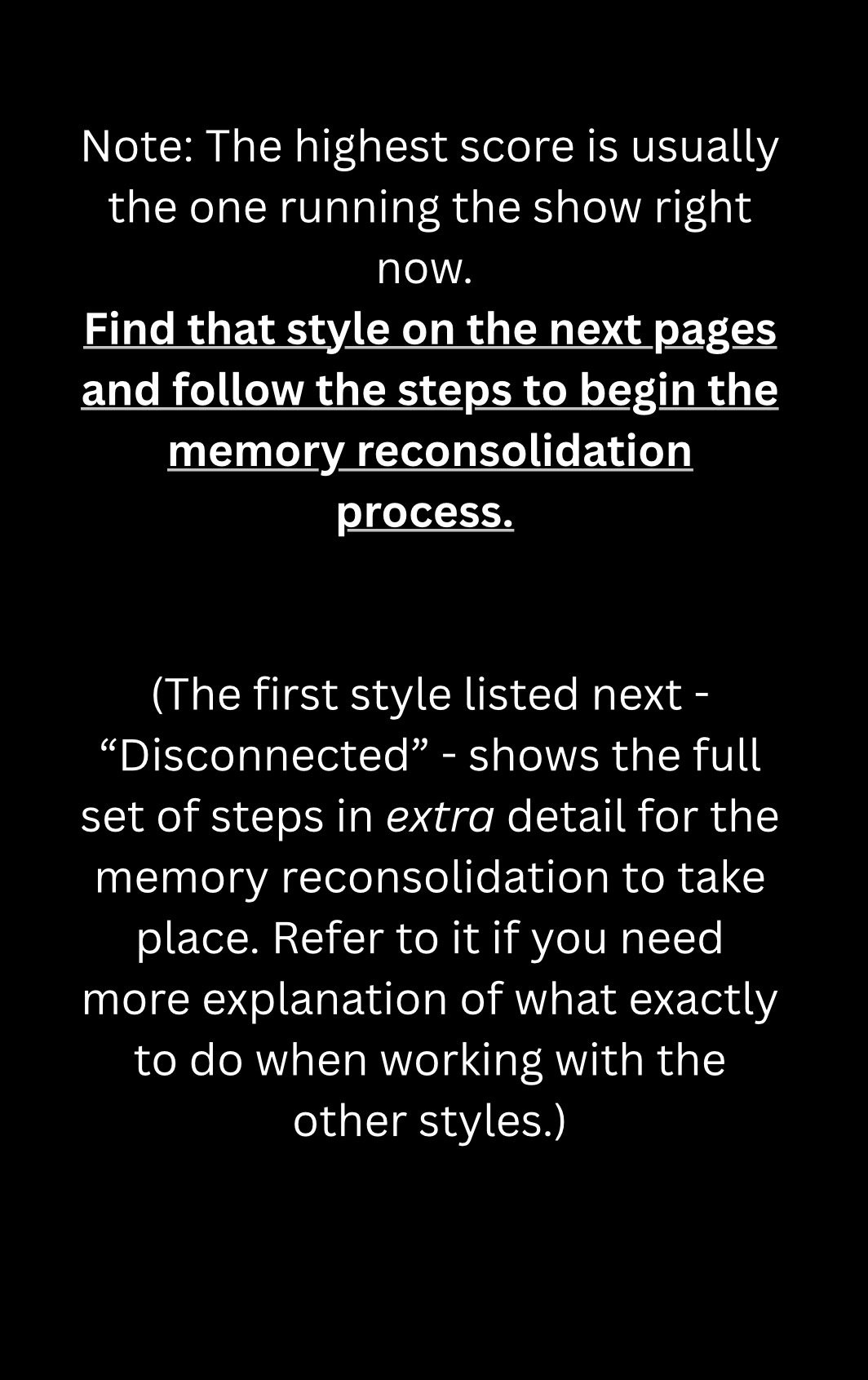
Rather than teaching you how to cope better, Becoming Unstuck shows you how to transform moments you’re already living - triggers, stuck states, familiar loops - into opportunities for lasting change. Using the neuroscience of memory reconsolidation, the brain’s natural process for updating old emotional learnings, the guide helps you meet these patterns where they live: in the body, in sensation, in implicit expectation.
As you move through the work, many people don’t experience a dramatic “breakthrough” - they notice something subtler and more profound. The reaction that usually fires… doesn’t. The urgency softens. The old fear doesn’t arrive. Or it passes through without taking over. What changes isn’t your personality - it’s the need for the pattern.
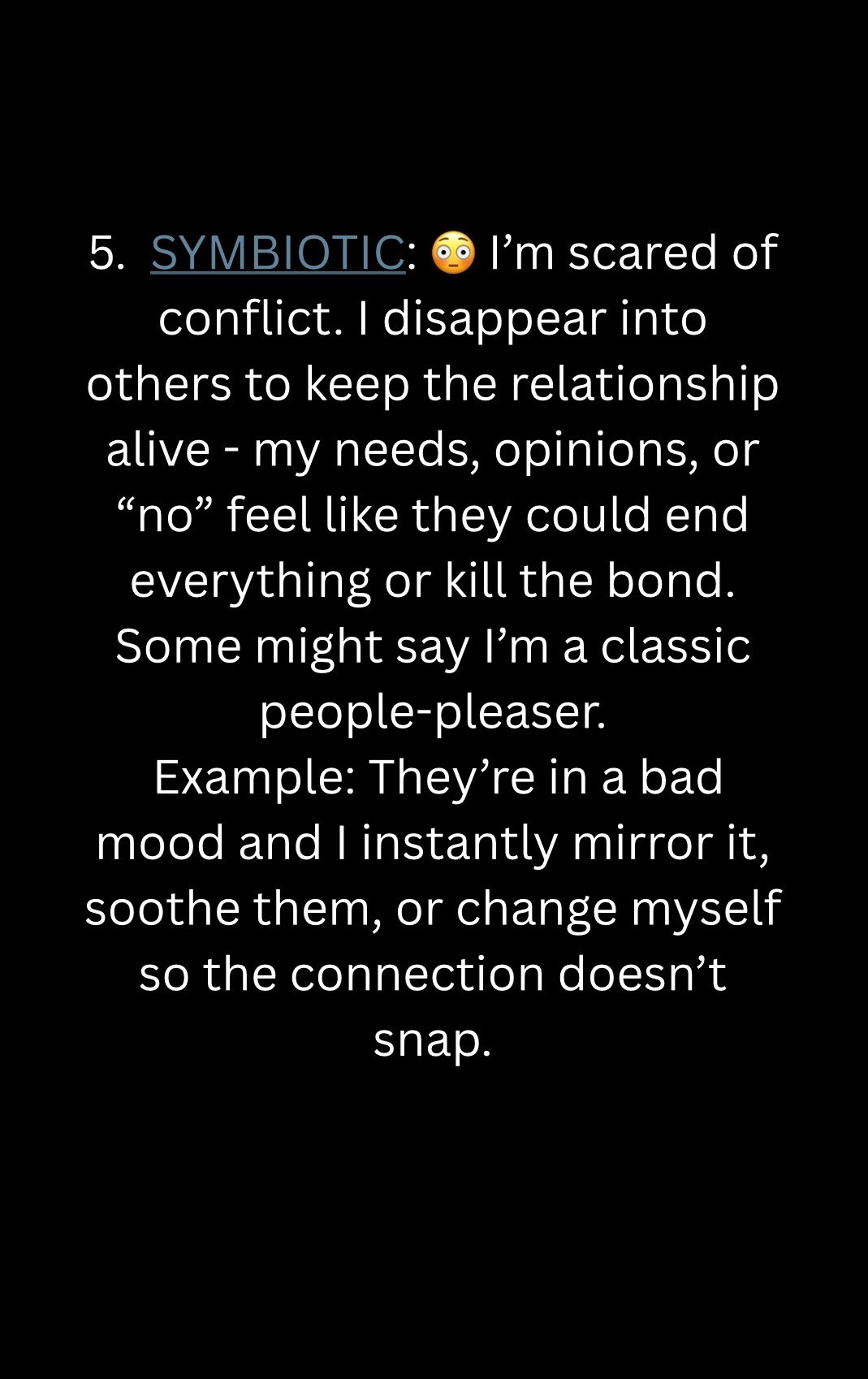
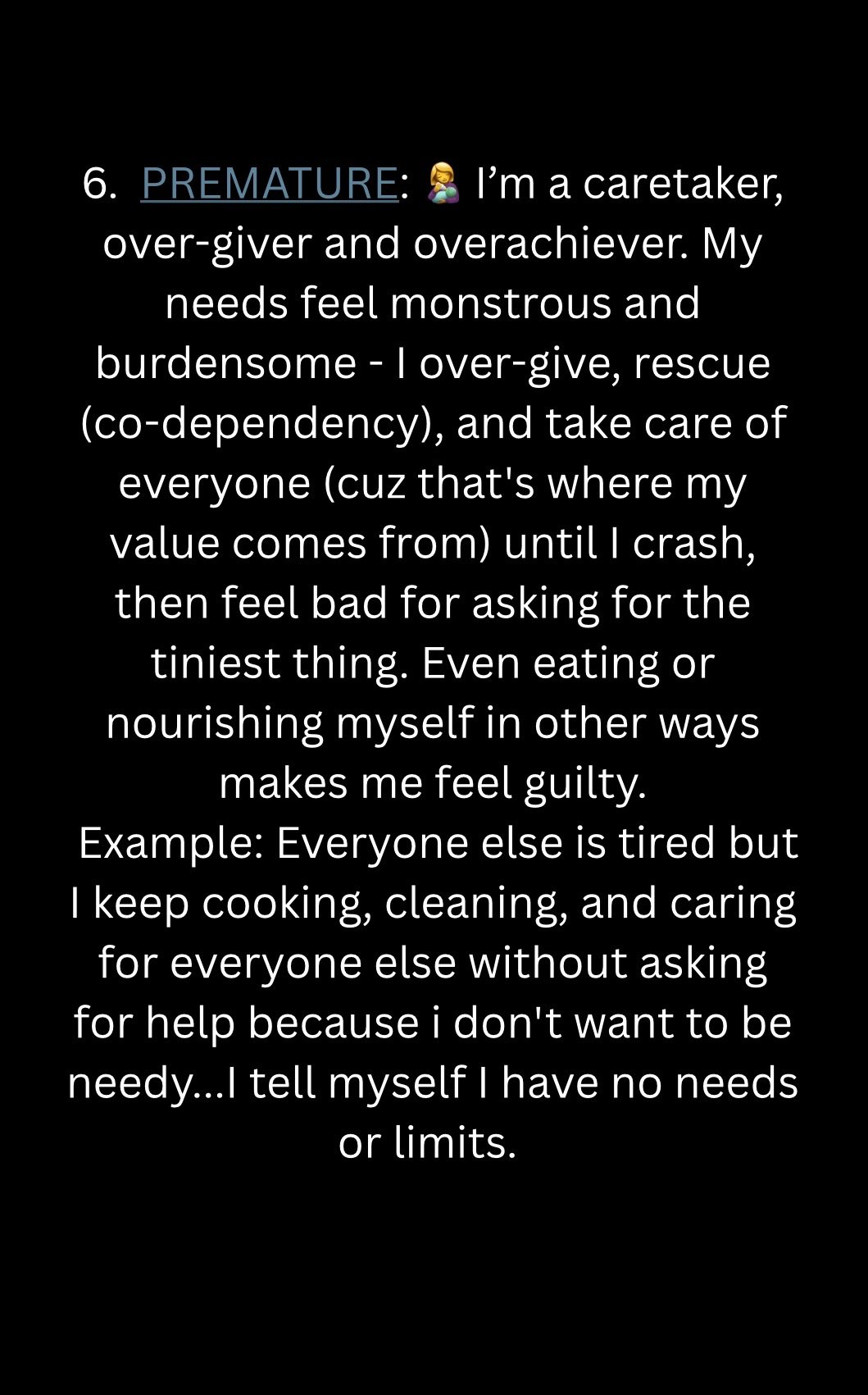
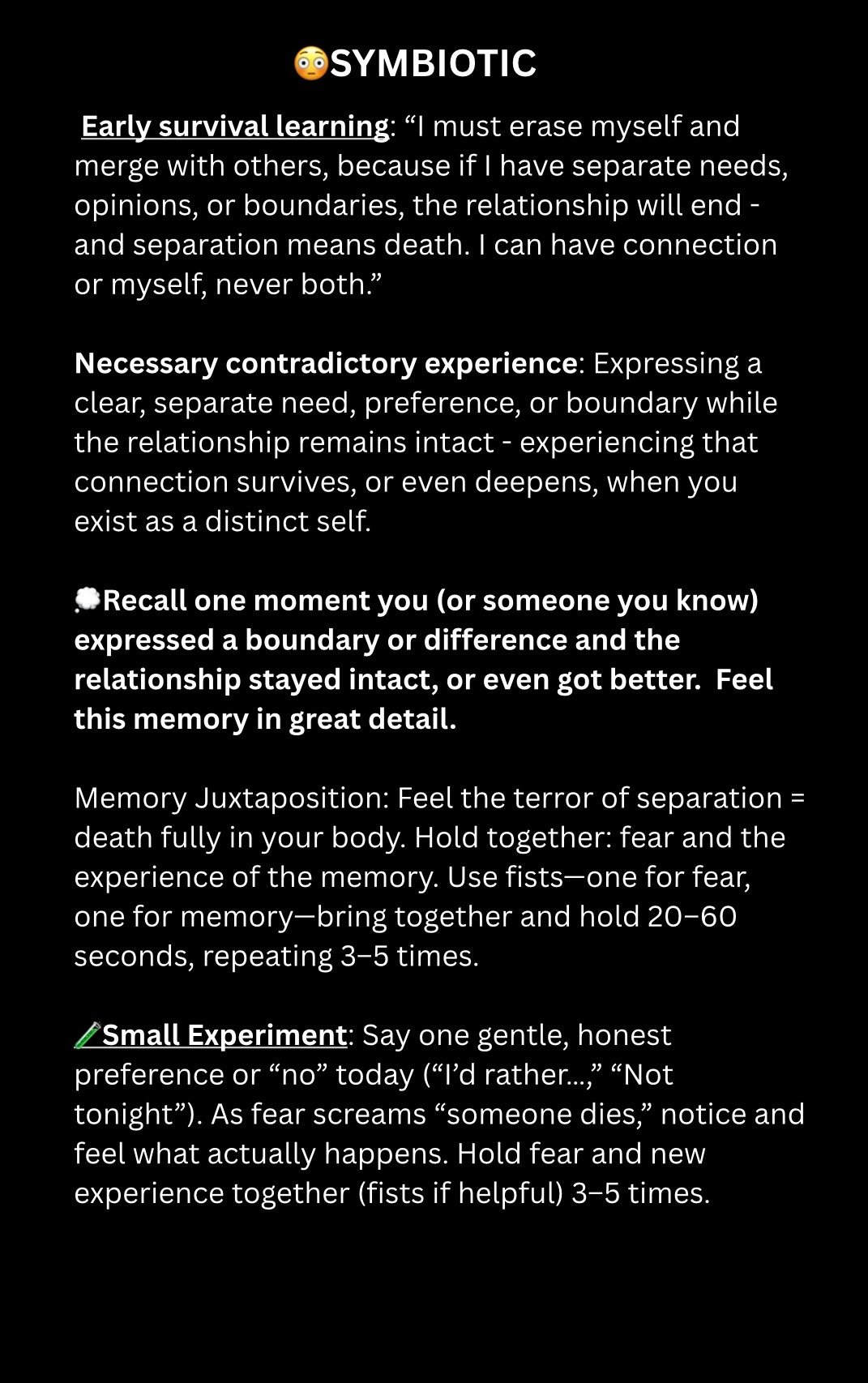
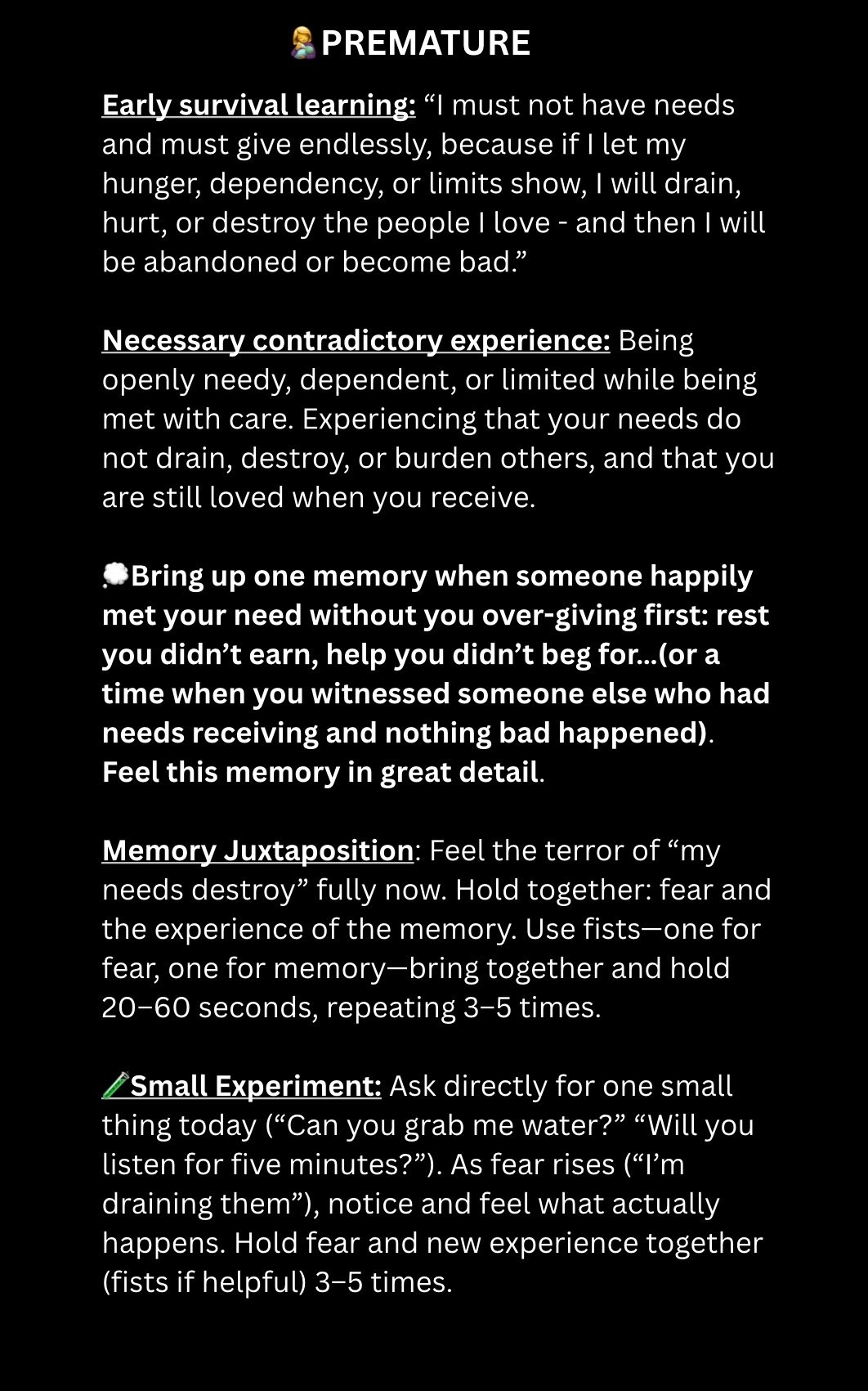
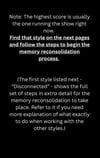
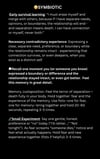
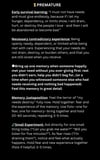
The guide walks you through 12 common coping styles - adaptive strategies formed through ongoing relational experiences such as emotional neglect, enmeshment, parentification, or needing to suppress your needs to stay connected. You’ll learn how to recognize which pattern is active in the moment, identify the precise core fear driving it, and create the specific experiential mismatch your brain needs to update that learning for good.
This work is not about positive thinking, affirmations, or reframing. It doesn’t ask you to override your fear or convince yourself you’re safe. In fact, it invites you to meet the fear fully - and then gently hold it alongside a real, disconfirming experience. When that contradiction is felt in the body, the nervous system naturally lets go. No force. No repetition. No daily practice required.
Over time, what emerges is a different relationship with yourself and your life:
less bracing, less managing, less looping - and more presence, choice, and ease. Not because you fixed yourself, but because your system no longer needs the old strategy to survive.
This guide is intended for patterns rooted in attachment, developmental, and characterological wounds (“little-t” relational trauma). It is not designed for processing single-incident or overwhelming traumatic events; if that’s your primary concern, 1:1 therapeutic support may be a safer place to begin.
Becoming Unstuck is an invitation to stop working so hard on yourself - and to let your nervous system finally receive the experience it’s been waiting for.
(37 pages)