
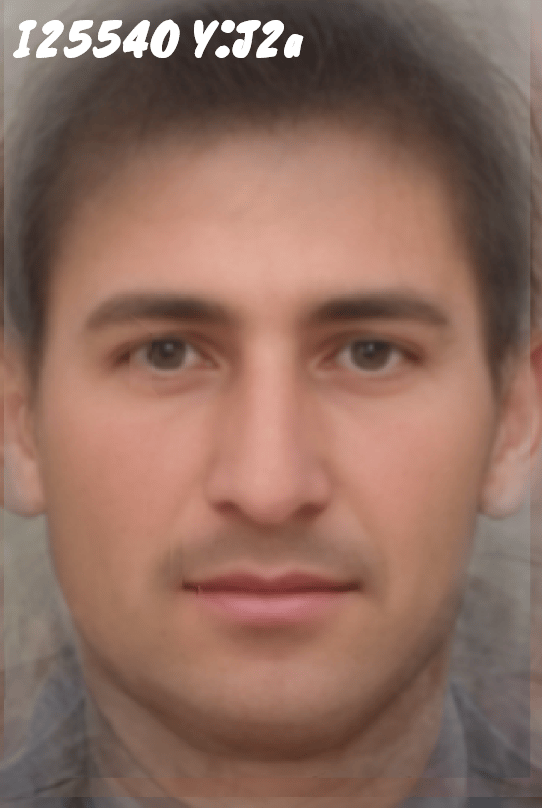
I25540 23andme format raw DNA sample
The forests and steppes of the Middle Volga once formed a cultural frontier where the legacy of the ancient steppe world lingered far longer than many realize. Among the peoples who carried that legacy into the medieval period were the enigmatic Burtas, along with other Iranic-derived groups who survived as echoes of a much older world shaped by the Sarmatians.
The Sarmatians, an Iranian-speaking confederation of nomadic tribes, dominated the Pontic-Caspian Steppe from roughly the 4th century BC to the early centuries AD. They themselves were part of a broader Scytho-Siberian world described by ancient authors like Herodotus, who wrote of steppe horsemen, mobile warfare, and societies organized around kinship and clan.
Over time, these Sarmatian groups fragmented. Some moved west into Europe, others south into the Caucasus where they became the Alans, and still others remained in the eastern steppe zones—particularly in the Volga-Ural region.
It is from these eastern remnants that groups like the Burtas likely emerged.
The Burtas appear in medieval sources between the 8th and 13th centuries, inhabiting areas along the Volga River, not far from modern Bashkortostan. Their exact identity is debated, but most scholars agree their culture was a blend of Iranic and Uralic elements.
They are mentioned by Islamic geographers such as Ibn Fadlan, who traveled through the Volga in the 10th century. While his descriptions are brief, they place the Burtas among the diverse peoples interacting with the Volga Bulgaria.
For this video, I found a 13th century sample from Bashkortostan, uploaded to european nucleotide archive in 2023.