

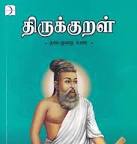
திருக்குறள்
On Sale
$5.00
$5.00
The Thirukkural is a classical Tamil text consisting of 1,330 couplets or aphorisms, written by the poet and philosopher Thiruvalluvar over 2,000 years ago. It is considered one of the greatest works on ethics and morality in Tamil literature and one of the most widely translated non-religious works in the world.
Structure of Thirukkural:
The Thirukkural is divided into three main sections, each addressing different aspects of life:
- Aram (Dharma or Virtue): Deals with ethical living, moral principles, and how individuals should conduct themselves to lead a righteous life.
- Porul (Wealth): Focuses on politics, governance, and social ethics, covering the responsibilities of rulers, ministers, and citizens in society.
- Inbam (Love or Pleasure): Explores the idea of love and personal relationships, both in the context of married life and romantic love.
Importance of Thirukkural:
- Universal Ethics: The teachings of the Thirukkural transcend religious, cultural, and geographical boundaries. Its ethical values are applicable to all humans regardless of background.
- Timeless Wisdom: Although written over two millennia ago, the principles in the Thirukkural remain relevant, offering guidance on contemporary issues such as leadership, justice, personal conduct, and relationships.
- Humanism and Social Ethics: Thirukkural emphasizes compassion, non-violence, and respect for others, promoting a peaceful and harmonious society. It highlights the significance of virtues like kindness, humility, and integrity.
- Practical Philosophy: The couplets are written in a simple, practical, and concise manner, making it accessible and easy to understand. It serves as a moral compass for both individuals and society.
- Influence on Literature and Philosophy: Thirukkural has significantly influenced Tamil literature and other Indian languages. Many scholars and thinkers have cited it as a foundational text for moral and philosophical thought.
- Cross-cultural Appeal: The text has been translated into numerous languages and has influenced thinkers from around the world, including Tolstoy and Gandhi, due to its universal values of ethics and humanism.
In summary, the Thirukkural serves as a guide to living a virtuous life, promoting ethical behavior, wise leadership, and harmonious relationships. It remains one of the most influential works in Tamil culture and beyond, valued for its timeless teachings on morality, governance, and personal conduct.