
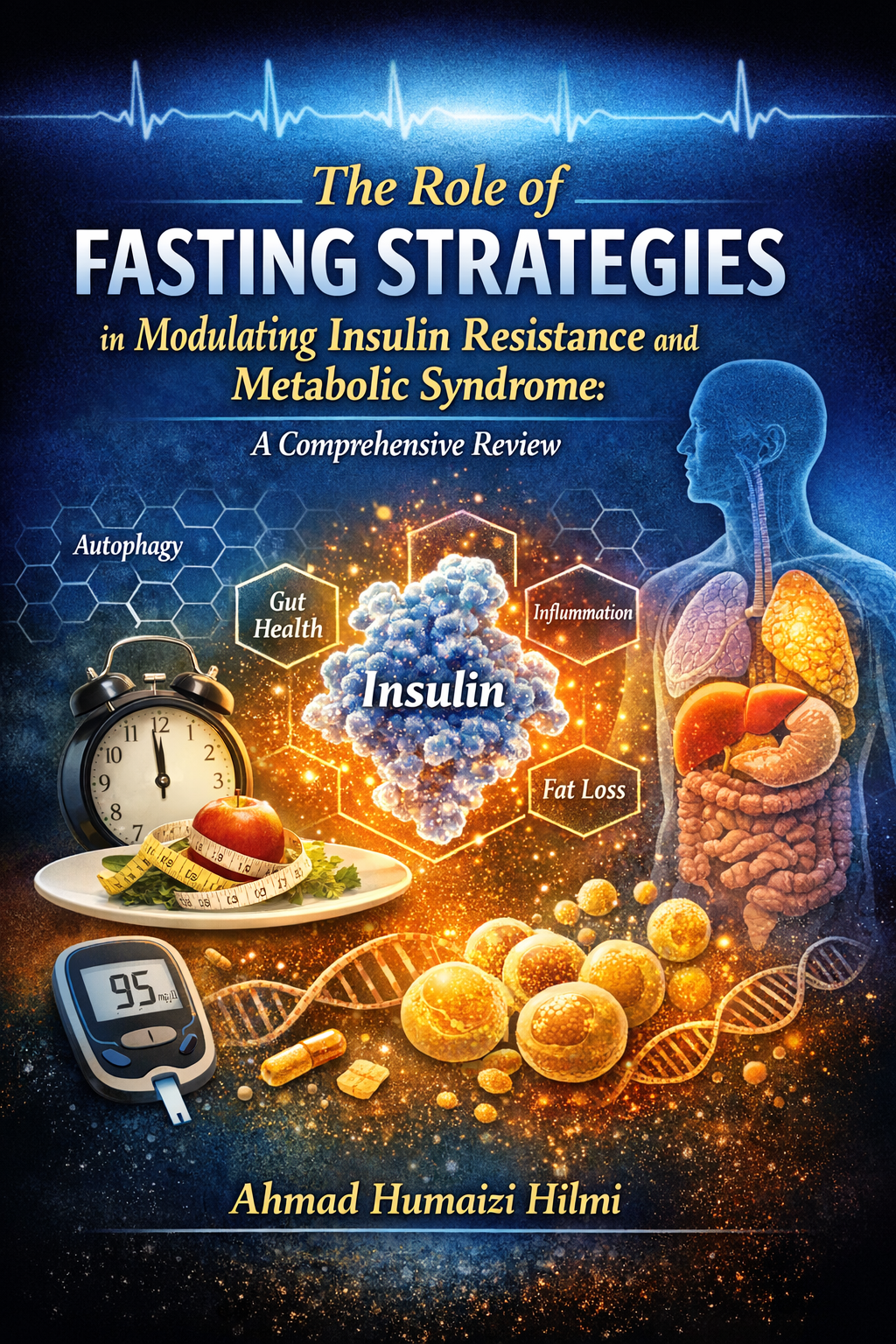
The Role of Fasting Strategies in Modulating Insulin Resistance and Metabolic Syndrome: A Comprehensive Review
Metabolic syndrome and insulin resistance constitute major global health concerns linked to increased cardiometabolic risk. This comprehensive review evaluates various fasting strategies—including intermittent fasting, Ramadan fasting, time-restricted eating, and fasting-mimicking diets—as promising non-pharmacological interventions to improve metabolic health. We systematically synthesized current literature on the mechanistic underpinnings of fasting, highlighting the roles of autophagy activation, inflammation reduction, gut microbiota modulation, and adipose tissue function improvements in enhancing insulin sensitivity. Clinical evidence demonstrates that these fasting regimens effectively reduce insulin resistance markers, improve glycemic control, favorably alter lipid profiles, and decrease systemic inflammation and adiposity across diverse populations, including individuals with type 2 diabetes, PCOS, and non-alcoholic fatty liver disease. Despite promising outcomes, variability in individual responses, long-term safety, and optimal protocol personalization remain challenges. Future research should focus on integrating fasting with pharmacotherapy and expanding randomized controlled trials to confirm efficacy and tailor interventions. Collectively, fasting strategies offer multifaceted benefits and represent a viable adjunct therapy for metabolic syndrome and insulin resistance management.