


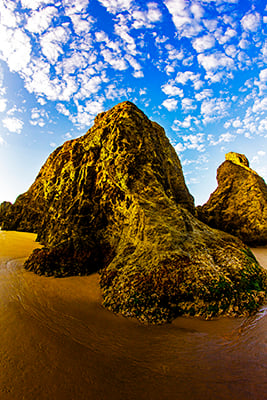
Bandon Beach Elephants Rock Oregon Coast Free 0435
On Sale
$0.00
Bandon Beach, Oregon Coast 0435
Free Digital Download
For Personal Usage Only
Usages of Image:
- Blogging
- Social Media Posts
- Education (No Selling, Commercial, Donating, or Giving Away is Not Allowed)
(Non-Commercial or Resale Not allowed)
IMAGE SIZE DETAILS BELOW:
All Images are JPEG
(S) Small Size Image JPEG
Image Size: 820.K
Pixel Size: 432 x 648px
Image Size 6 x 9 Inches
Resolution Size: 72
About Bandon Beach, Oregon Coast
Elephant Rock at Bandon Beach is one of the Oregon Coast’s most recognizable sea stacks, shaped like the head of a partially submerged elephant. Its history blends geology, Native legend, and coastal change.
🌊 Geological History
- Formation: Elephant Rock, like other Bandon sea stacks, was created millions of years ago through subduction, when tectonic plates collided and pushed up resistant rock.
- Erosion: Over centuries, waves, wind, and storms eroded softer material, leaving behind the harder formations. Elephant Rock’s “trunk” and “ears” were formed by sea caves carved into the stack.
- Durability: These stacks are remnants of ancient headlands. They stand because they resist submersion and erosion longer than surrounding rock.
🪨 Cultural and Local Significance
- Legendary ties: While Face Rock carries the most famous Coquille tribal legend, Elephant Rock is often mentioned alongside it as part of the storied landscape of Bandon’s rocks.
- Community identity: Locals and visitors have long recognized Elephant Rock as a landmark, its elephant-like profile inspiring imagination and photography.
🐦 Ecology Around Elephant Rock
- Part of the Oregon Islands National Wildlife Refuge, Elephant Rock provides nesting habitat for seabirds such as puffins, cormorants, and gulls.
- Tide pools at its base host starfish, mussels, barnacles, and sea anemones, making it a hotspot for marine biodiversity.
- Seasonal protections apply to nearby beaches to safeguard nesting snowy plovers.
📍 Visiting Today
- Best viewed from Face Rock Scenic Viewpoint or along Beach Loop Drive.
- Accessible during low tide for tidepool exploration, though climbing is prohibited to protect wildlife.
- It remains one of the most photographed formations on the Oregon Coast, especially at sunset when its silhouette resembles an elephant against the Pacific horizon.
✅ In summary: Elephant Rock at Bandon Beach is a geological remnant shaped by erosion, culturally tied to the region’s storied sea stacks, and ecologically vital as part of a protected wildlife refuge. Its elephant-like profile continues to inspire visitors and locals alike.