
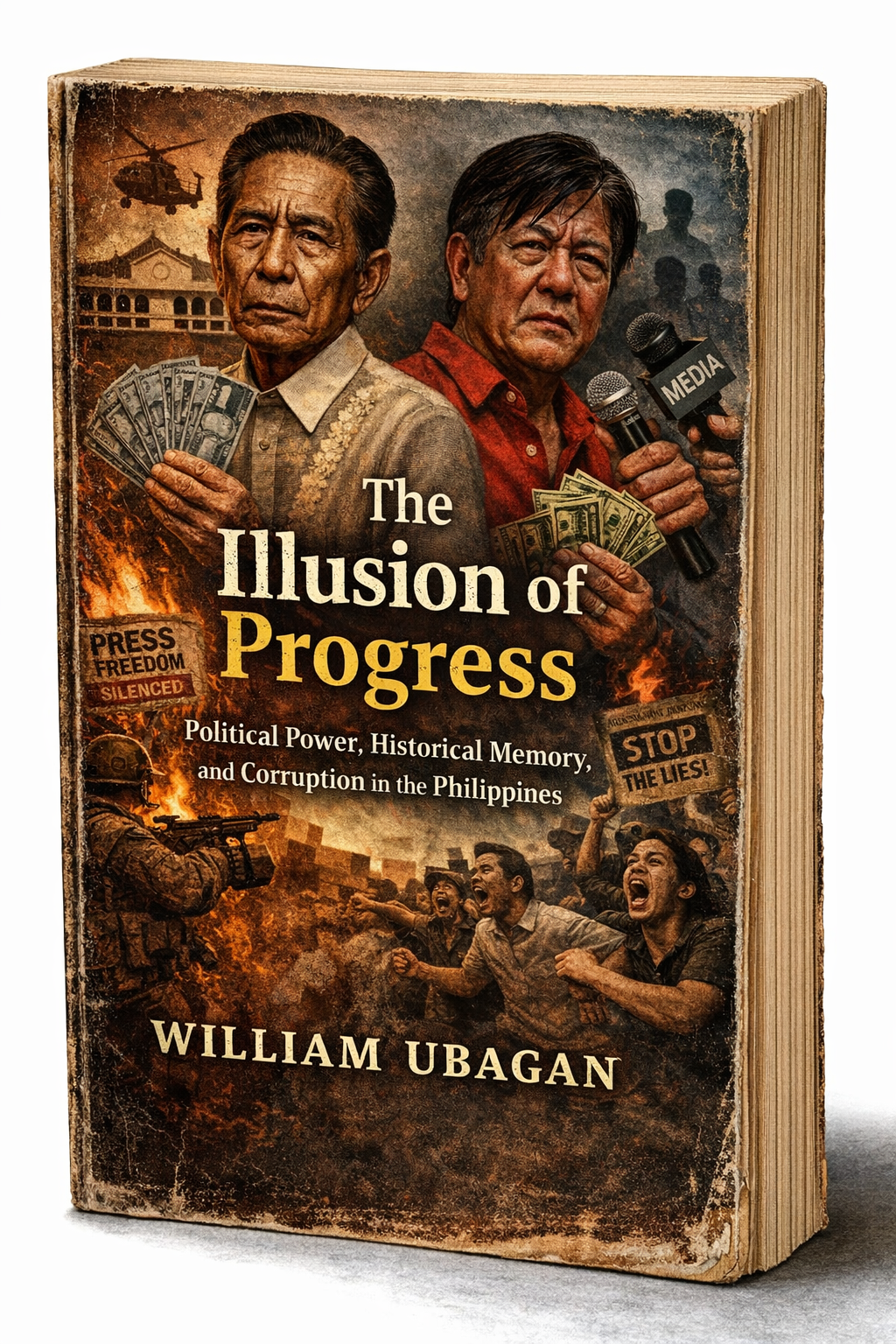
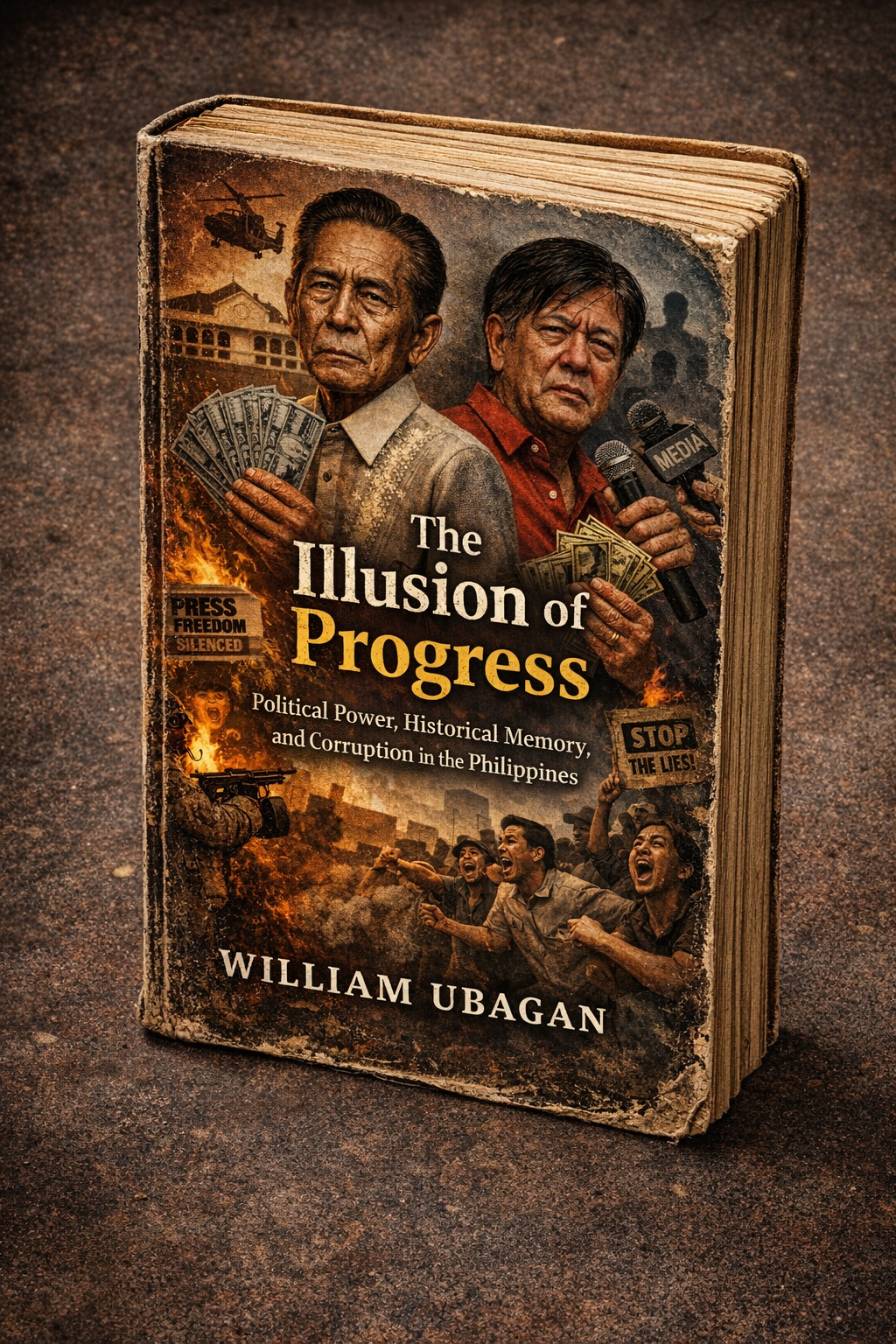
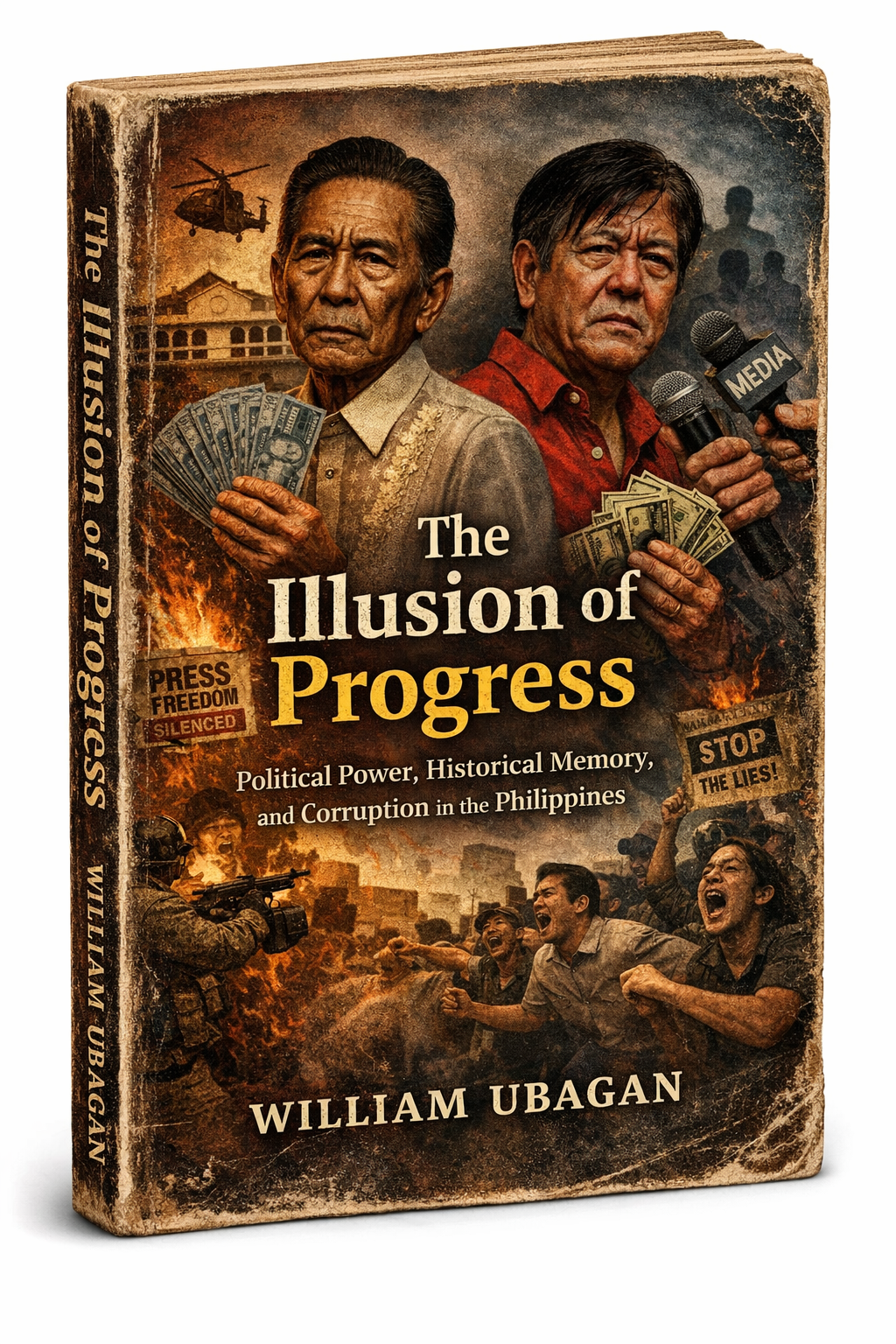
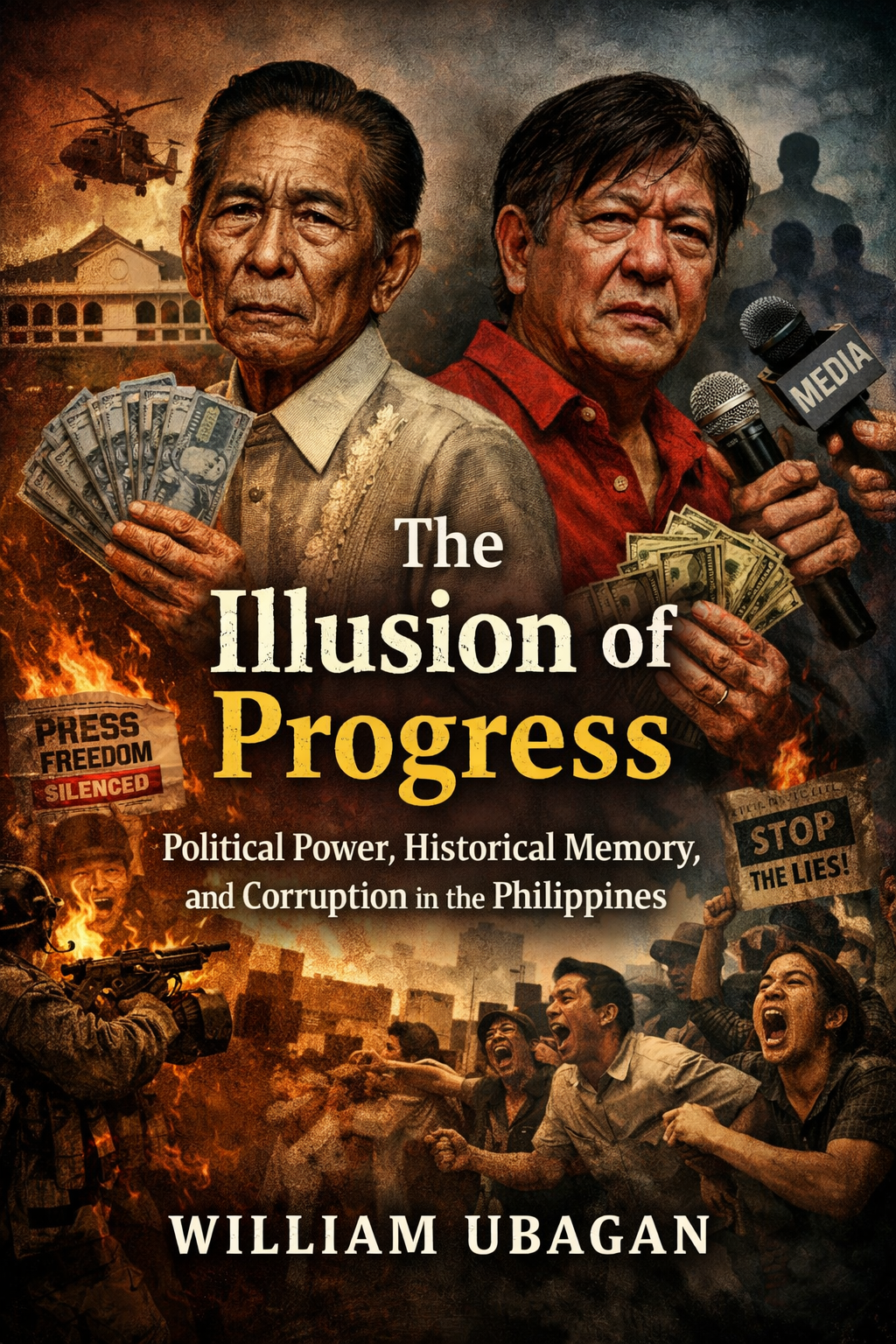
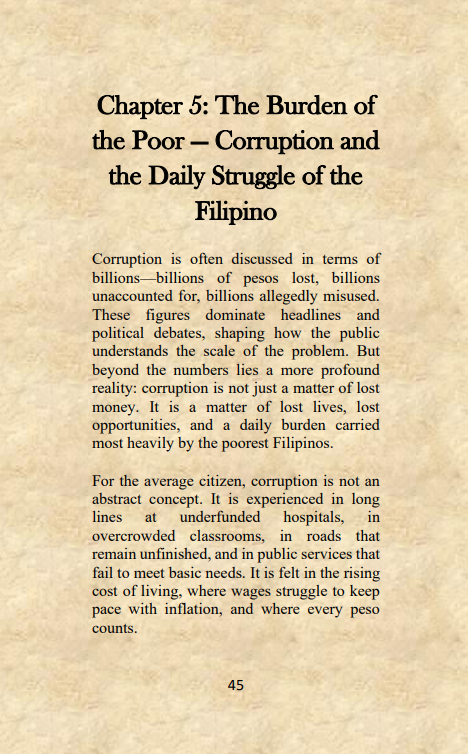
The Illusion of Progress / POLITICAL SCIENCE / Corruption & Misconduct
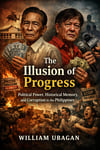
The Illusion of Progress is a bold and thought-provoking opinion book that examines the complex realities of power, governance, and accountability in the Philippines. Through a critical lens, it explores how political influence, historical memory, and public perception shape the nation’s understanding of progress—and whether that progress is truly felt by the Filipino people.
Spanning from the controversial legacy of Ferdinand Marcos Sr. to the modern administration of Ferdinand Marcos Jr., the book confronts one of the most polarizing political narratives in Philippine history. It revisits the era of Martial Law, the enduring allegations of corruption, and the ongoing debates that continue to divide the nation. At the same time, it highlights how these historical issues resurface in present-day governance, raising urgent questions about transparency, leadership, and the direction of the country.
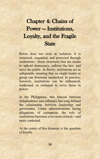
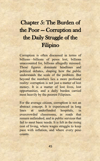
Each chapter delves into a critical aspect of Philippine society: the role of institutions, the burden of corruption on ordinary citizens, the influence of political dynasties, the power of media and disinformation, and the tension between justice and sovereignty. The book also examines how narratives are constructed and contested—how stories of “progress” can both inspire and mislead.
More than a political critique, this work centers on the lived experiences of Filipinos. It brings attention to the daily struggles of workers, families, and communities who bear the consequences of governance—whether through rising costs of living, limited opportunities, or gaps in public services. It underscores that corruption is not just a matter of policy, but a human issue with real and lasting impact.
Importantly, The Illusion of Progress does not present itself as an absolute authority. It acknowledges the existence of competing perspectives and contested claims, encouraging readers to engage critically with the issues rather than accept them at face value. It challenges the reader to question, reflect, and participate in the ongoing national conversation.
As the Philippines stands at a crossroads between continuity and change, this book asks a fundamental question: Is the nation truly progressing, or is it merely being led to believe that it is?
Provocative, reflective, and deeply relevant, The Illusion of Progress is both a critique of power and a call to awareness—an invitation for every Filipino to look beyond appearances and take part in shaping the country’s future.