
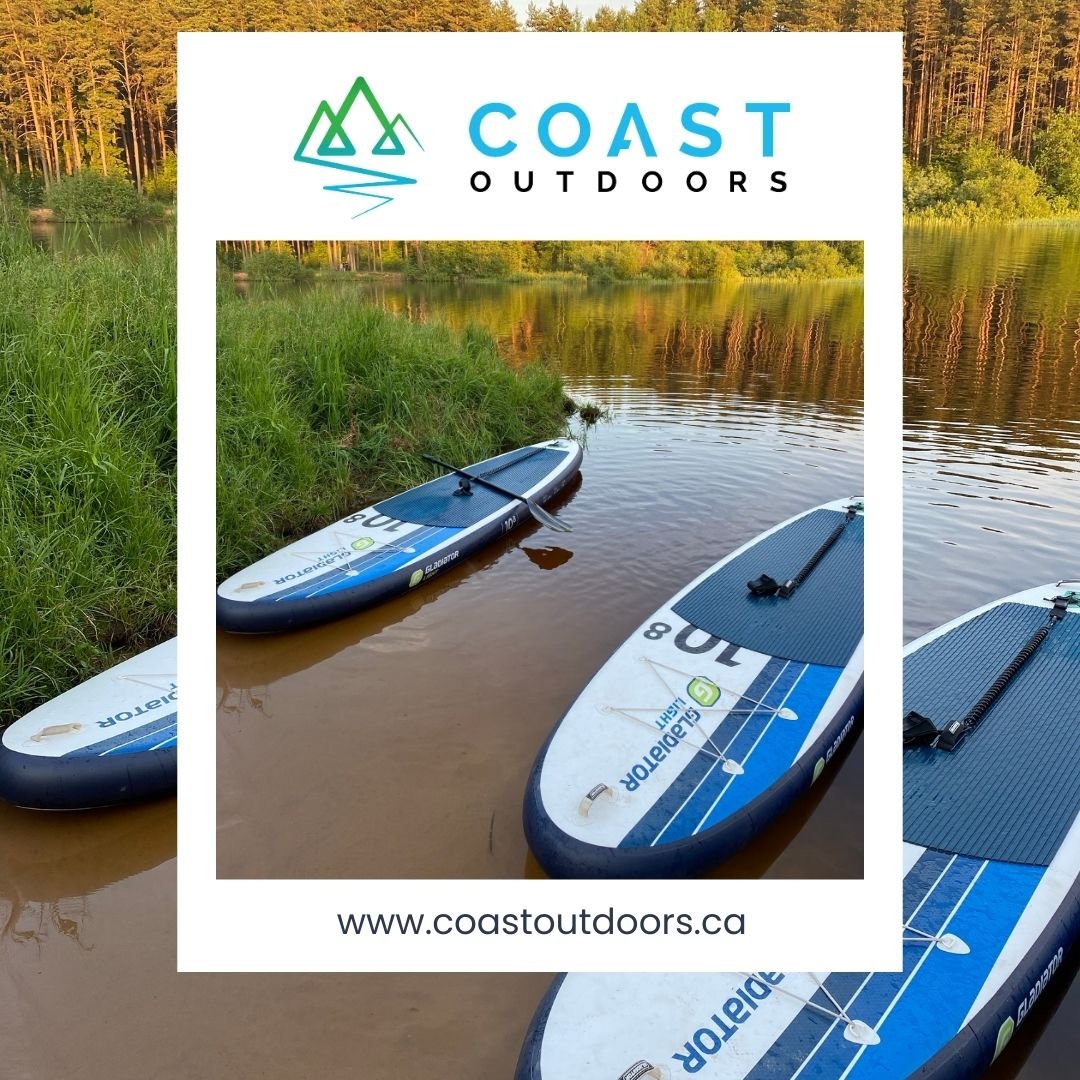
Quality and Performance: Buy Paddleboard with Confidence
How about some exciting new adventures? If you enjoy being on the water or want to try something new, Buy paddleboard could be a terrific decision. Owning a paddleboard allows you to explore nature in ways you never imagined possible, whether you want to glide around calm lakes or catch some waves in the ocean.
But how can you choose the best board when there are so many options? Don't be afraid! In this comprehensive video, we'll show you all you need to know to confidently purchase your first paddleboard. Everything you need to know, from fin setups to recommended accessories, as well as size and material considerations, will be covered.
Put on your wetsuit and prepare to enter the exciting world of paddleboarding. By the end of this article, you will be well prepared to make an informed purchase. Find that perfect plank that will take your journey to new heights (or depths), shall we?
Dimensions and shape of the to-be-used boards
Size and shape are two of the most significant considerations when choosing a paddleboard. The size of your board will determine how stable and easy it is to steer on the water. The longer the board, the more stable it is for beginners; the shorter the board, the more agile the paddler.
The breadth of the board also has an impact on stability. Wider boards are better for beginners or those who seek more stability because more of the board's width is in touch with the water. Narrower boards, on the other hand, allow for sharper bends and faster speeds, albeit they may be more difficult to ride steadily.
Another thing to consider is the shape of your paddleboard. Displacement and planing hulls are both common, yet they serve different functions. Long-distance paddling or racing is best done in a boat with a displacement hull and a pointed nose for efficient watercutting. Because of their flat bottoms and high levels of stability, planing hulls are perfect for surfing and recreational use.
Remember that the size and shape of the board you choose should be adapted to your personal needs and preferences. Spend some time considering your options before making a final decision; you'll be pleased you did when you're gliding across the lake.
Building Materials and Components
When choosing a paddleboard, one of the most crucial factors to consider is the build quality. The materials used in the board's construction can have a significant impact on its effectiveness and longevity. Hard boards made of epoxy or fiberglass are available, as are inflated boards made of durable PVC.
The ease of use of inflatable paddleboards has resulted in their rising popularity. These boards are often constructed with multiple layers of premium PVC material and strengthened with drop-stitch processes. When inflated, this keeps the board firm, giving you a stable foothold while riding.
Rigid paddleboards, on the other hand, have a reputation for being more responsive and effective. Because it allows for a lightweight yet strong product, epoxy or fiberglass is usually employed in their production. The foam core of these boards is often encased in numerous layers of fiberglass cloth and resin for further durability.
Consider the build quality whether you choose an inflatable or stiff board. Inflatable boards should have strong seams, whereas rigid boards should be free of delamination. Choosing a paddleboard composed of high-quality materials and constructed to last will provide many years of enjoyment on the lake.
Fin System Selection Is Critical
Despite its importance, the fin system is frequently overlooked when shopping for a paddleboard. Despite its appearance, the fin system you select can have a considerable impact on your paddling enjoyment. There are several fin systems to pick from, each with its own set of advantages and disadvantages.
Let's start with the most common type, the removable fin system. As a result, if necessary, you may rapidly replace the fins with a new set. It is adaptable and can perform well in a variety of water situations. Another popular option is a fixed or molded-in fin system, which provides stability and longevity but cannot be changed.
Surfers can fine-tune their board's reactivity to shifting conditions by using adjustable or removable fins. These let you to experiment with different fin sizes and shapes to find the best fit for your board.
Which fin system is best for you will be determined by your ability, preferred paddling style, and eventual goals for using the paddleboard. Before making a decision, invest in study and careful deliberation. This will substantially improve your Inflatable sup experience.
SUP Accessories and Parts
Stand-up paddleboarding (SUP) is a fun water sport that gets much better when you have the right equipment. Here are a few paddleboard accessories you should have:
To paddle successfully and with minimal fatigue, you'll need a high-quality paddle. Choose a paddle that can be altered in length, is lightweight, and is made of a durable material such as carbon fiber or fiberglass.
A leash attached to your ankle or calf is an excellent way to keep your board nearby in the event of a fall. Select a leash made for surfing or touring on your stand-up paddleboard.
While it is not required by law, it is strongly advised, especially for beginners or when paddling in rough conditions, to carry a personal flotation device (PFD). You should wear a paddling-specific personal flotation device (PFD).
You can use a waterproof backpack or case to keep your belongings dry, traction pads to improve your grip on the board, and roof racks or straps to fasten your SUP to your car.
By ordering these extras, you will have all you need for a safe and enjoyable paddleboarding session.
What size inflatable paddleboard should I get?
A cheap inflatable paddleboard of the appropriate size is required for having a nice time on the water. How can you discover the perfect fit if you desire it? Some critical information is provided here.
Consider your present level of fitness and ability. If you are a beginner or heavy, choose a larger board with more capacity to ensure stability and buoyancy. If you are more experienced or lighter in weight, a smaller board will provide you better control.
The following step is to select a paddling technique. A board that is longer and wider will provide more stability, making it a better choice for yoga or slow paddling in protected waters. If you want to ride waves or compete with your friends, you should choose a narrower, shorter, easier-to-maneuver board.
You should consider storage and transportation while Choosing a paddleboard much storage room at home or plan to take it on the road regularly, look for SUPs that can be easily deflated and stowed in a small bag.
Last but not least, reading customer reviews can be beneficial because it allows you to learn from the experiences of others who have tried out different board sizes.
These criteria, together with our previous recommendations on materials, construction, fin system alternatives, and accessories, should make it simple to choose a solution that fits both of your budgets. Happy hunting, and remember to test them out by renting or borrowing one to see which one feels best on your feet.