100 phrases in Bulgarian
1. It’s the heart of the Slavic language family
Bulgarian is one of the oldest Slavic languages, and it influenced others like Russian, Serbian, and Macedonian. Learning it gives you a gateway to understanding Slavic roots, grammar, and culture across Eastern Europe.
🧠 2. It’s linguistically unique
It’s the only Slavic language without noun cases (unlike Russian or Polish), making grammar easier to master.
It has a definite article added to the end of words (e.g., мъж → мъжът, “the man”), which is quite different and fascinating for language learners.
🌍 3. It’s the official language of Bulgaria
Spoken by over 7 million people, it’s essential for travel, business, or cultural exchange in Bulgaria.
If you plan to visit Sofia, Plovdiv, or the Black Sea coast, knowing Bulgarian helps you connect deeply with locals.
💼 4. Growing economic and tech opportunities
Bulgaria has a booming tech and outsourcing sector — many international companies (like HP, IBM, and SAP) operate there.
Knowing Bulgarian can give you an edge if you work in IT, remote support, or translation.
❤️ 5. It opens doors to rich culture and history
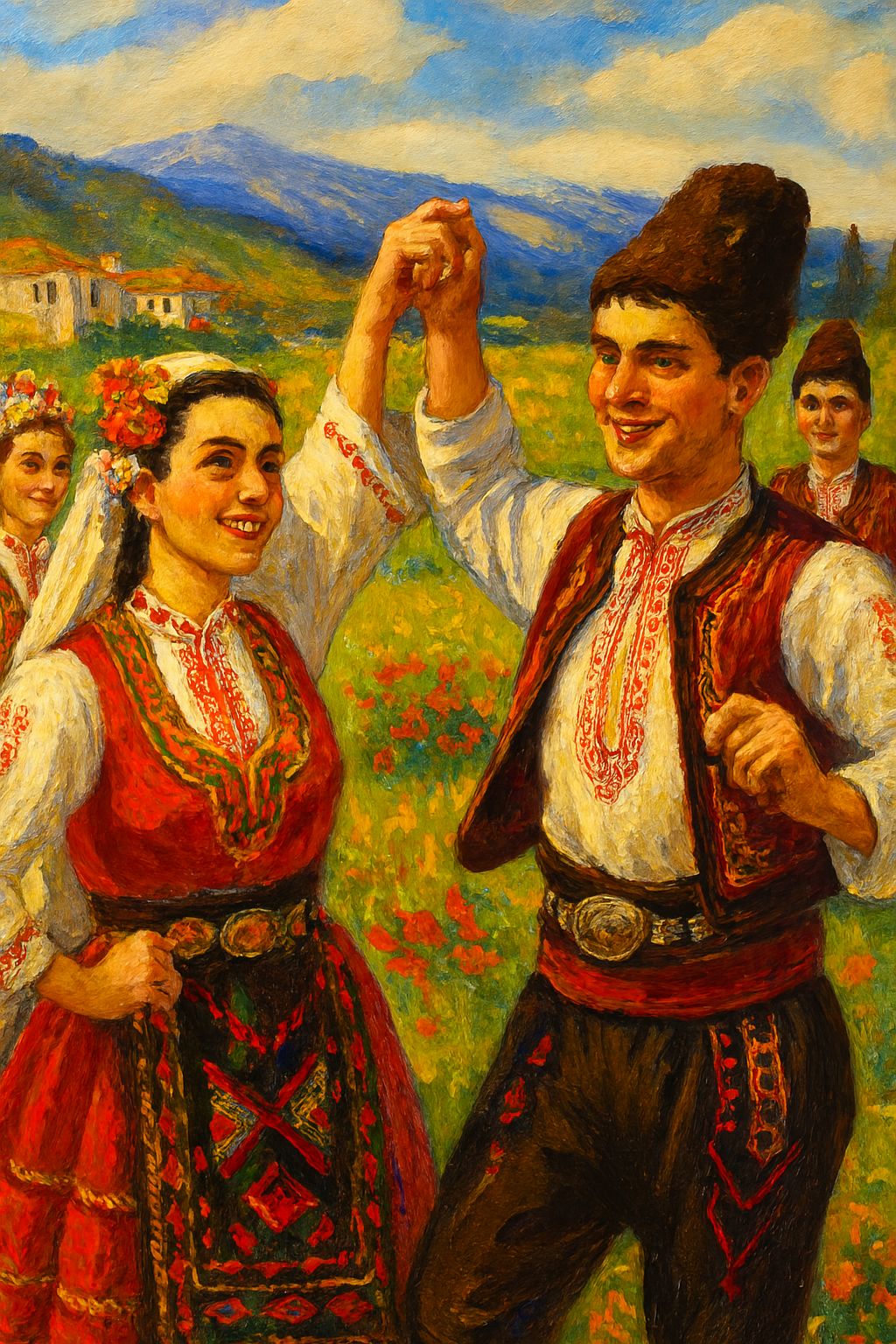
Bulgaria has one of Europe’s oldest written alphabets (Cyrillic) and a deep folklore tradition with music, dance, and cuisine that’s uniquely Balkan.
Learning the language brings you closer to its poetry, songs, and Orthodox heritage.
🎓 6. Easier to learn than other Slavic languages
Because it’s phonetically consistent (words sound as written) and lacks complex case systems, Bulgarian is a great entry point for learning other Eastern European languages.
✈️ 7. Bulgarians really appreciate it
Even basic phrases can win you big smiles — few foreigners attempt to learn Bulgarian, so locals are especially impressed when you try.