
The Other Half of Your App — Databases, Logins, and Keys Explained for AI-Assisted Builders (PDF Guide)
You described an app to an AI and watched the visible half appear screen by screen — then you added accounts, saved data, or a paid service, and hit a wall. The deploy fails, the login loops, or a settings page full of words like Postgres, token, and environment variable asks questions you cannot answer. This is the most commonly documented stall point in the whole build-with-AI story, and it is not a talent problem. Nobody explained the other half.
The Other Half of Your App is a 24-page field guide to the backend half of AI-assisted building — the databases, logins, keys, and environments the visible half never prepared you for. It explains four ideas once, plainly and without tying itself to any one vendor: the database (where data survives), the login (how the app knows who someone is), the secret (how other services trust your app), and the environment (why the same code runs in one place and dies in another). Each idea gets the same three questions — what it is, where it lives, how it fails — so error messages start making sense in every tool. It begins exactly where our beginner guide, Ship Your First App, deliberately stopped — everything client-side, no servers, no accounts — and walks through the wall that book steered around. No terminal required; about ninety minutes front to back.
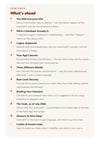
WHAT'S INSIDE
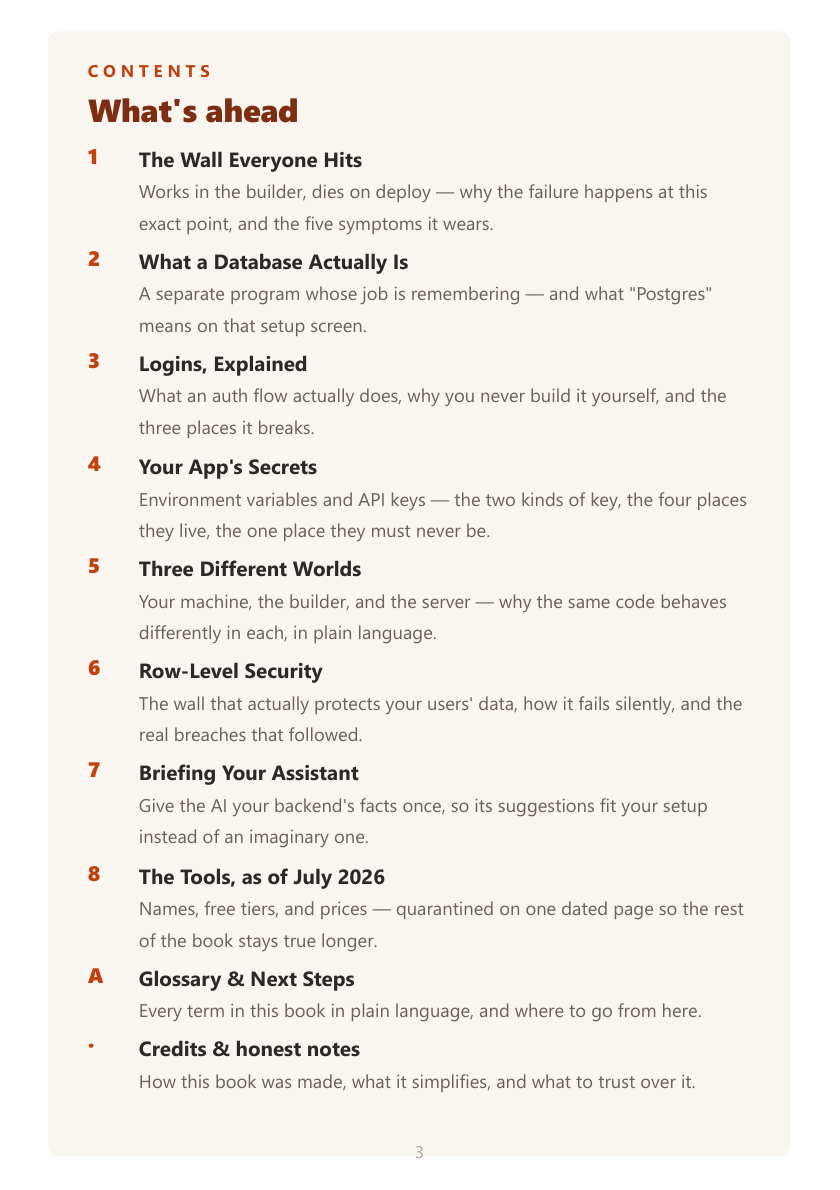
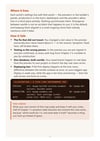
• The wall everyone hits — why an app that works in the builder dies on deploy, the exact seam where a second computer joins, and the five symptoms the failure wears
• What a database actually is — a separate program whose only job is remembering, tables and rows and SQL in plain words, the connection string, and what "Postgres" means on that setup screen
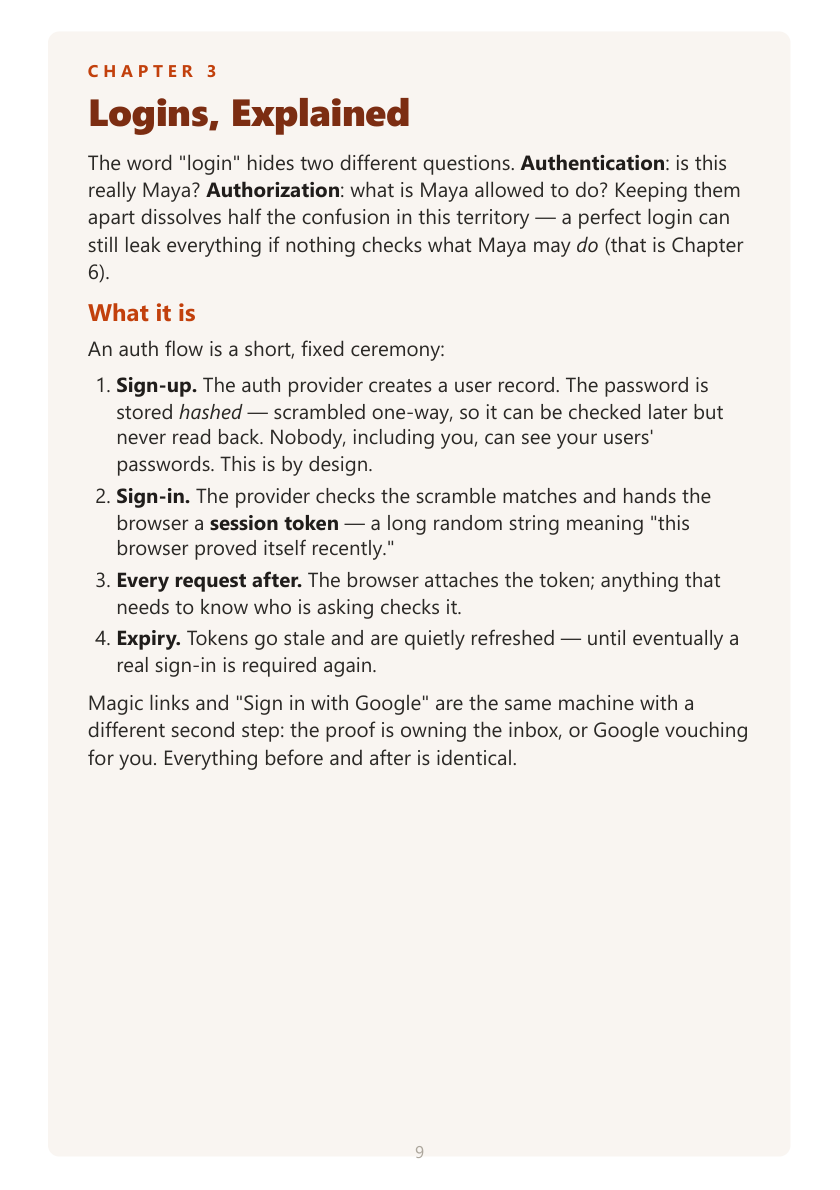
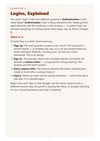
• Logins, explained — what an auth flow really does step by step, why you never hand-build it, "Sign in with Google" demystified, and the three places it breaks (the redirect loop; the confirmation email that never arrives)
• Your app's secrets — API keys as passwords for programs, environment variables as named slots, and the one distinction (publishable key vs. secret key) that prevents most breaches
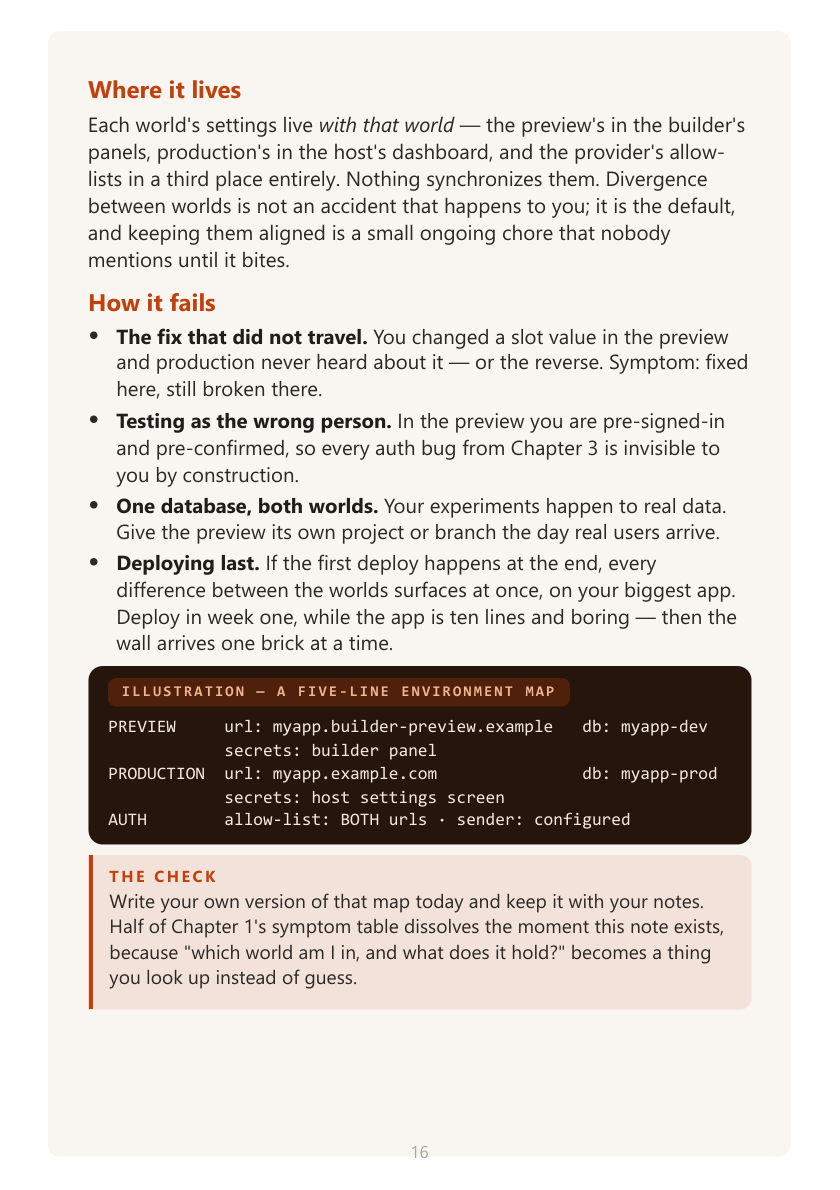
• Three different worlds — why your machine, the builder, and the server behave differently on the same code, and a five-line "environment map" that dissolves half the symptom table
• Row-level security, in ordinary words — the wall that actually protects your users' data, how it fails silently, and the real, publicly reported breaches that followed a missing rule
• Briefing your assistant — a short backend brief you write once so generated code fits your setup, plus an explain-before-fix habit and "done means" acceptance checks you can reuse
• The tools, as of July 2026 — names, free tiers, and prices, kept to a single dated page so the rest of the book stays true longer
• A plain-language glossary of every term, and an honest "how this was made" note on what the book simplifies
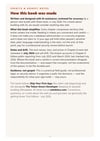
Every concept gets the same three beats — what it is, where it lives, how it fails — because "where it lives" is the question beginners never think to ask, and the one that dissolves most of the mystery.
HONEST NOTES
The backend this book connects to can be set up entirely on free tiers — every provider it names (Supabase, Neon, Firebase, Clerk, Auth0, and the hosts) has a free tier that covers a small app comfortably. Those names, tiers, and prices were last reviewed July 2026 and are quarantined to one dated page (Chapter 8) so the rest of the book ages slowly; where the book and a vendor's current pricing page disagree, the book tells you to trust the page. Building this way assumes an AI coding assistant, and the capable ones commonly run on paid plans — from roughly $20/month as of July 2026 — while free tiers also exist. And one caveat the book keeps in writing: reading it makes you conversant and careful, not a database administrator or a security engineer, so if your app will hold other people's sensitive data it points you to a professional security review before launch rather than pretending a guide can replace one.
Guidance, not gospel — this is a practical field guide, not professional, legal, or security advice.
Drafted with AI assistance and then reviewed and curated by a real person who builds this way daily.
Instant download. A5 pages, designed for screen reading; prints cleanly on A4 or US Letter. Personal use only.
First Edition — July 2026.
Questions? Reach us at calmkitco.com.