
The Science of the Angels Part 4
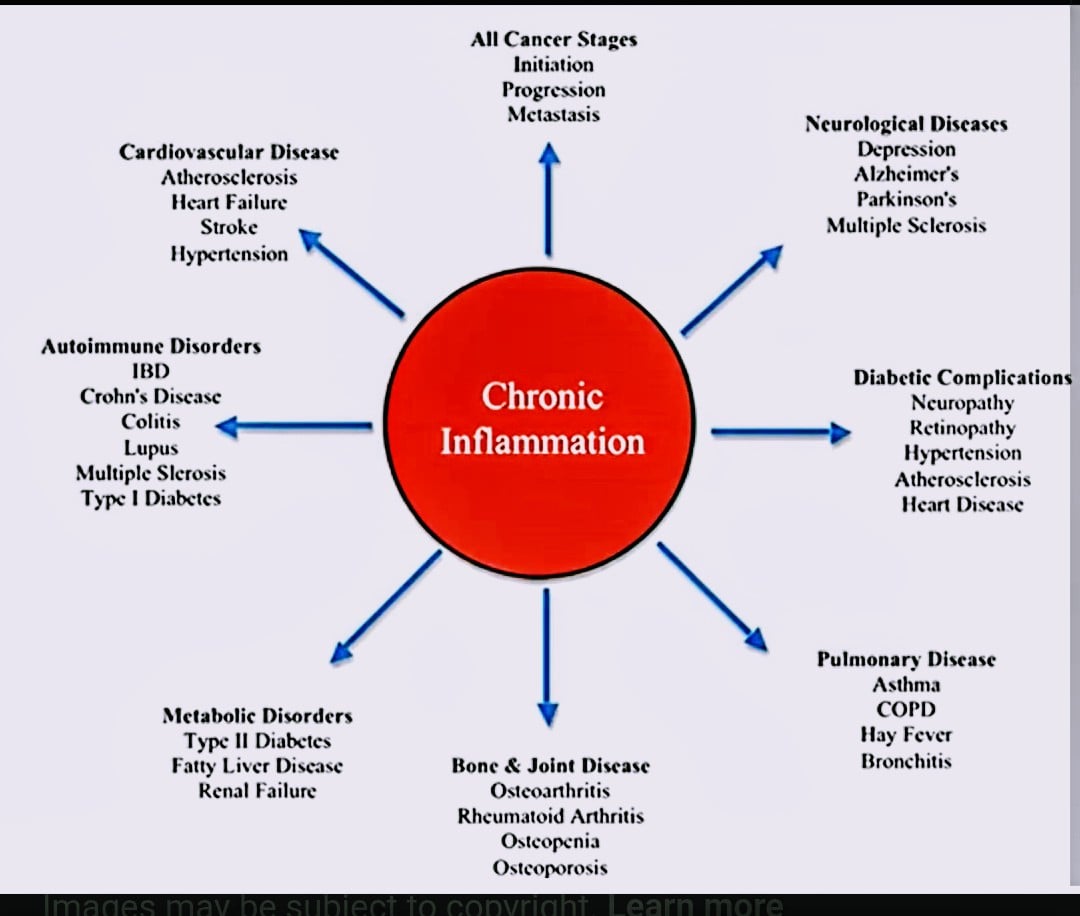
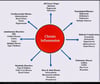
Inflammation & allergic responses are both parts of the body's immune system, but they target differentthreats and have distinct characteristics. Here's a breakdown:
Inflammation:
Function: A protective response to injury, infection, or irritants. It helps isolate and remove harmful substances and begin healing.
Cause: Triggered by damaged cells, pathogens (bacteria, viruses), or irritants (chemicals, toxins).
Symptoms: The classic "five signs": redness, swelling, heat, pain, and loss of function in the affected area.
Examples: A scraped knee turning red and swollen, or the body's fight against the common cold.
Allergic Responses:
Function: An overreaction of the immune system to a harmless substance (allergen) like pollen, dust mites, or peanuts.
Cause: The immune system mistakenly identifies the allergen as a threat and launches an attack.
Symptoms: Vary depending on the allergen and the individual, but can include runny nose, itchy eyes, wheezing, skin rashes, or even anaphylaxis (a life-threatening reaction).
Examples: Hay fever caused by pollen, or a peanut allergy triggering hives and difficulty breathing.
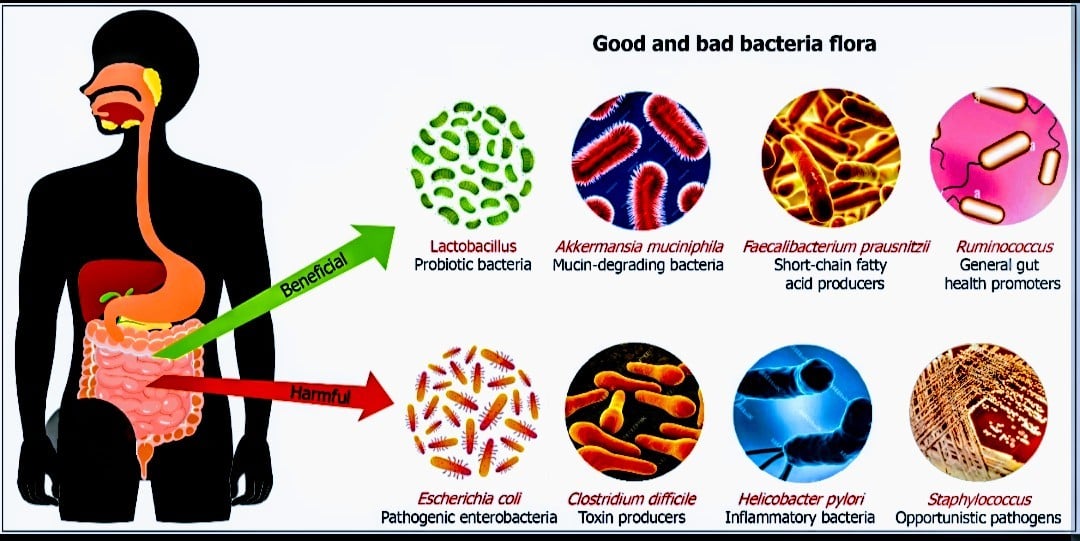
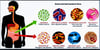
The Gut Microbiome refers to the collective genomes of microorganisms inhabiting the human gastrointestinal tract. These tiny organisms—bacteria, viruses, fungi, and protozoa, exist symbiotically within our digestive system. The Gut Microbiota refers to the actual community of microorganisms themselves. Approximately 100 trillion of them reside in our gut. They play a vital role in various aspects of health,
including immune function, metabolism, and even neurobehavioral traits.
Refund Policy
Due to the nature of our digital products, there is a strict no-exchanges or refund policy on templates, ebooks, and other digital resources from The Holistic Master Shop
Disclaimer: This guide is for educational purposes only. It is not intended to diagnose, treat, or replace medical advice.