
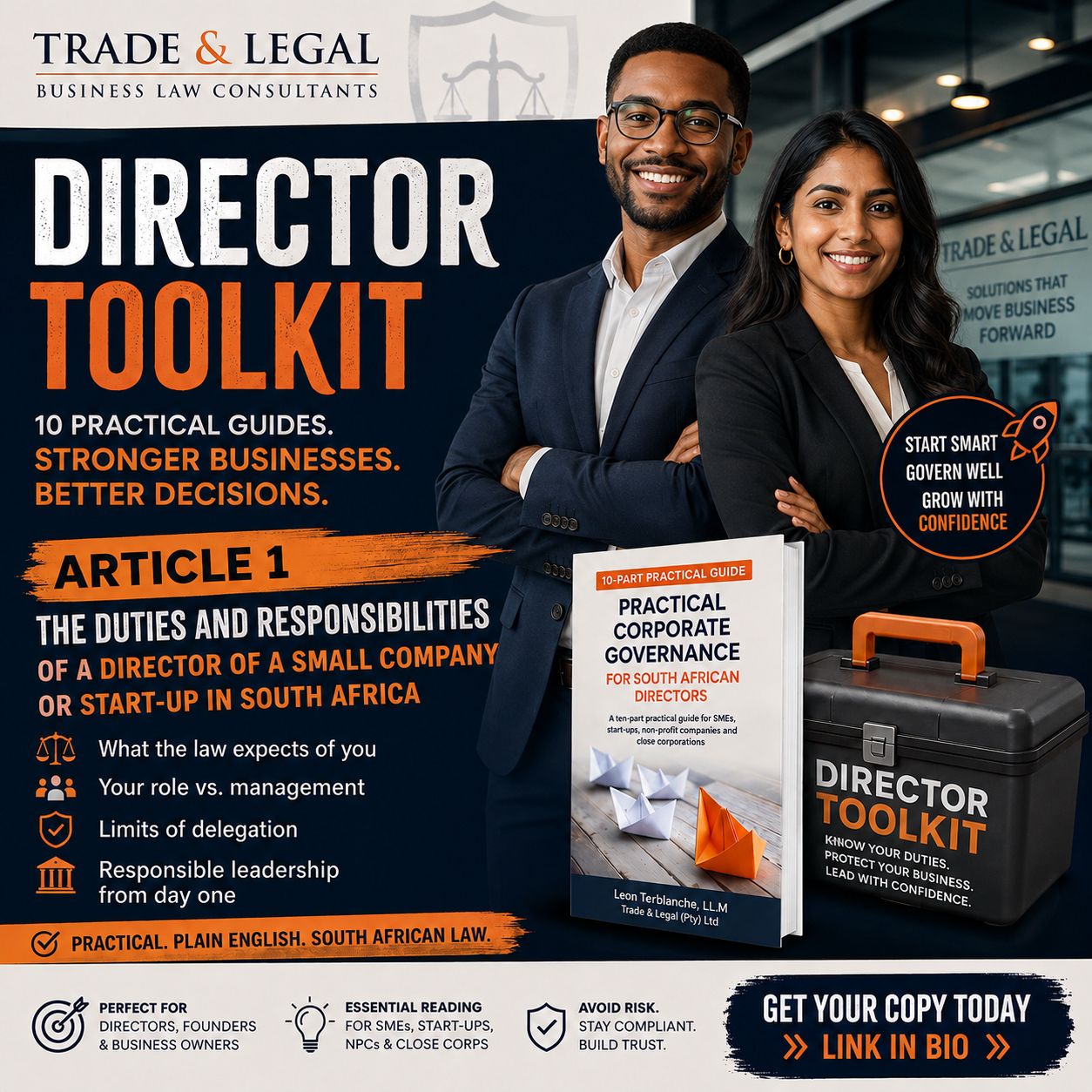
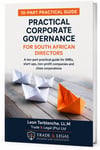

Trade & Legal Director's Toolkit
PRICE: 19 GBP = +- ZAR 430
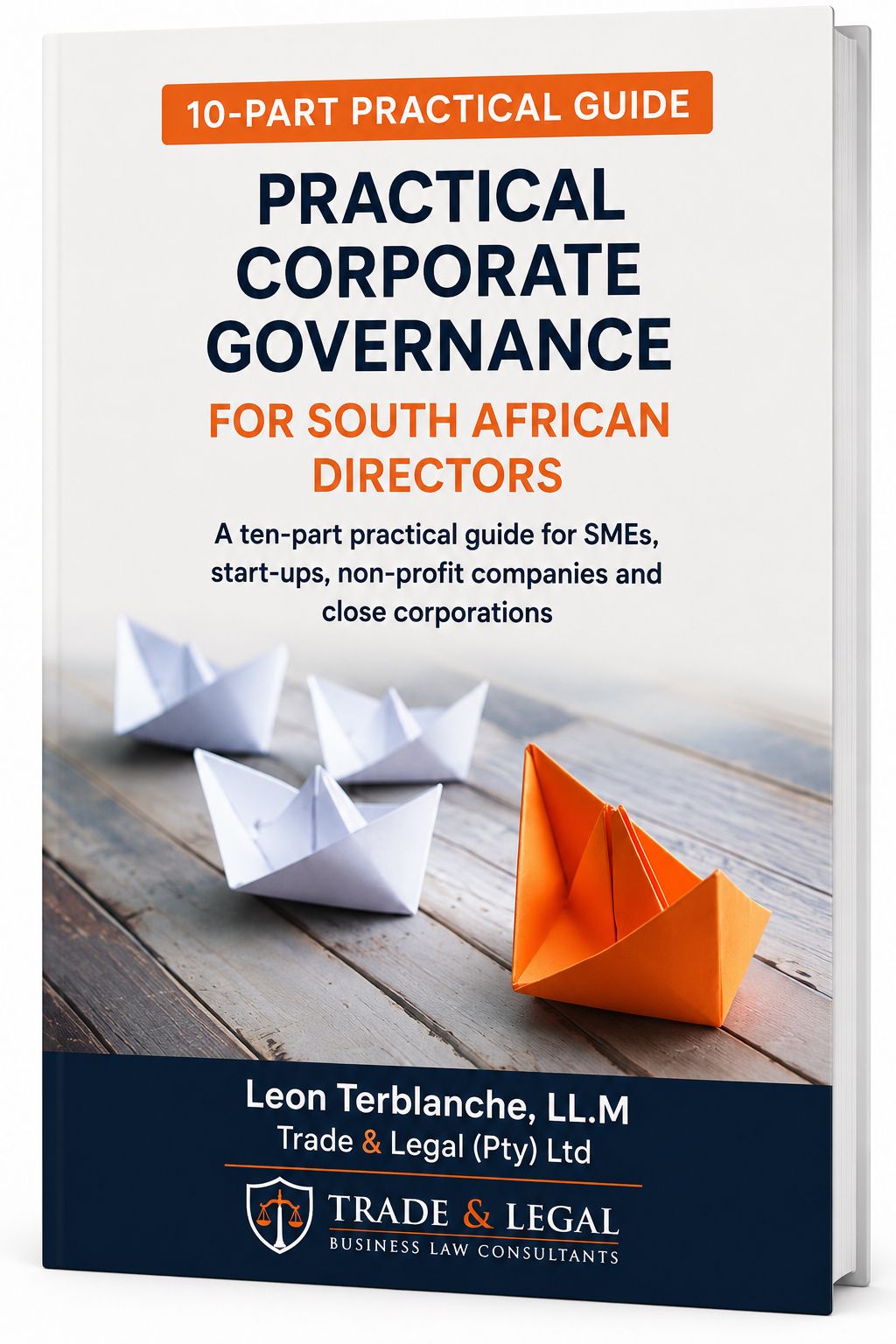
The practical guide every South African director should have on their desk before signing a single board resolution.
Why this guide matters:
The corporate-governance landscape has changed. The international fight against corruption, tender fraud, money laundering and the concealment of beneficial ownership has moved governance from the boardrooms of listed companies into the daily affairs of ordinary businesses. Regulators, banks, investors, customers and government departments increasingly expect directors and members to understand their responsibilities, question irregular conduct and remain actively involved in the ethical management of their organisations.
For directors of start-ups, small and medium-sized enterprises, non-profit companies and members of close corporations, it is no longer enough to assume that “the accountant will sort it out”. Professional advisers can assist, but they cannot take over the legal and moral responsibilities attached to leadership. Directors and members must understand the decisions they approve, the records they sign, the conflicts they face and the risks they allow the business to take.
It is easy to complain about corruption in South Africa. The more difficult - and more important - task is to become part of the solution by practising honest, transparent and responsible governance in one’s own organisation. This series explains the law in plain language and turns governance principles into practical steps that business leaders can use.
Good governance is not paperwork for its own sake. It is the discipline of making lawful, ethical and properly informed decisions.