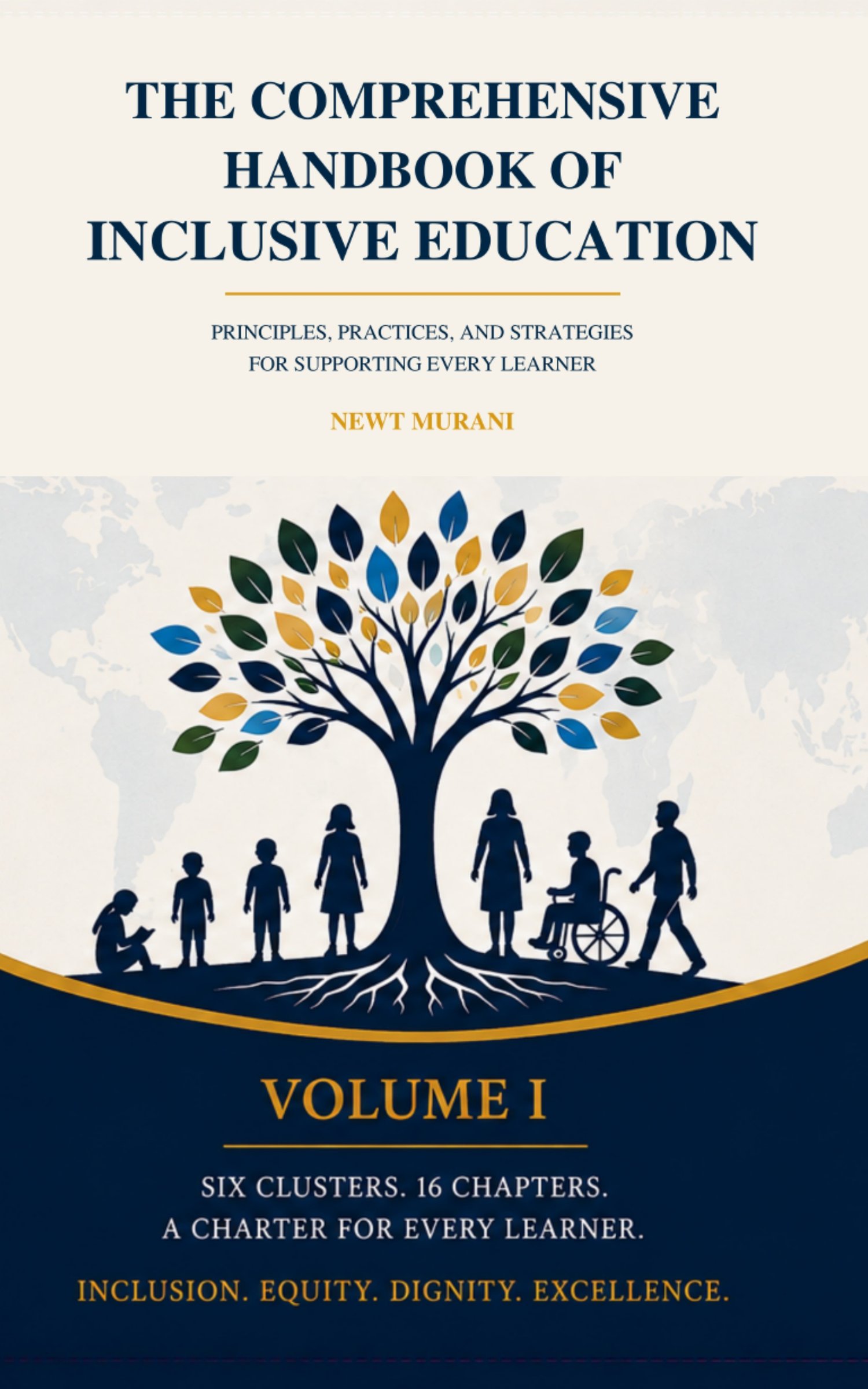
The Comprehensive Handbook of Inclusive Education: Principles, Practices, and Strategies for Supporting Every Learner
A comprehensive professional guide to building inclusive classrooms, schools, and education systems.
Inclusive education requires more than placing diverse learners in the same classroom. It requires educators to identify and remove barriers, design accessible learning environments, provide appropriate challenge and support, and create meaningful opportunities for every learner to participate, learn, belong, and succeed.
The Comprehensive Handbook of Inclusive Education: Principles, Practices, and Strategies for Supporting Every Learner is an extensive professional reference for teachers, special and inclusive education professionals, teacher educators, school leaders, education administrators, researchers, policy makers, and others committed to strengthening inclusive practice.
What this professional handbook covers
The handbook provides detailed guidance on:
• foundations, principles, rights, and models of inclusive education
• early identification and intervention for diverse educational needs
• disability, neurodevelopmental differences, and learner diversity
• Universal Design for Learning (UDL) and differentiated instruction
• curriculum adaptation, accommodations, modifications, and IEPs
• support for learners with sensory, physical, health, communication, emotional, behavioural, and learning needs
• gifted, talented, and twice-exceptional learners
• collaboration with learners, families, and multidisciplinary teams
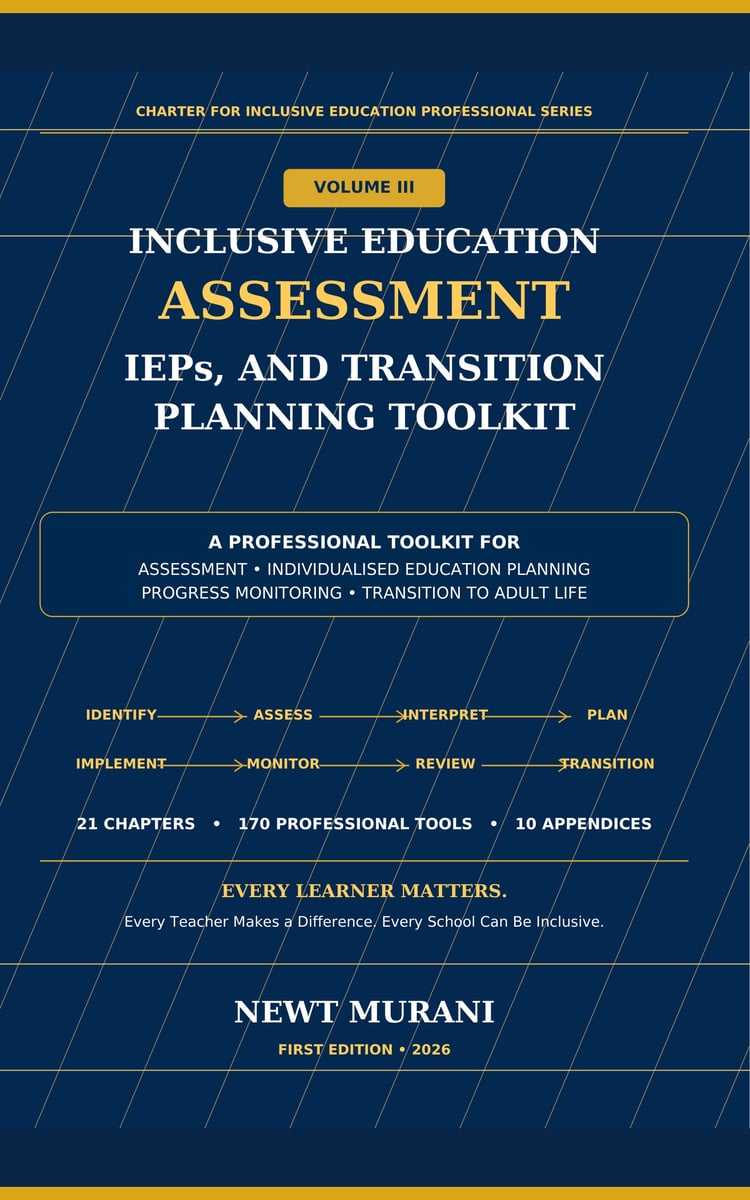
• inclusive assessment, accommodations, and progress monitoring
• transition planning, life skills, further education, employment, and community participation
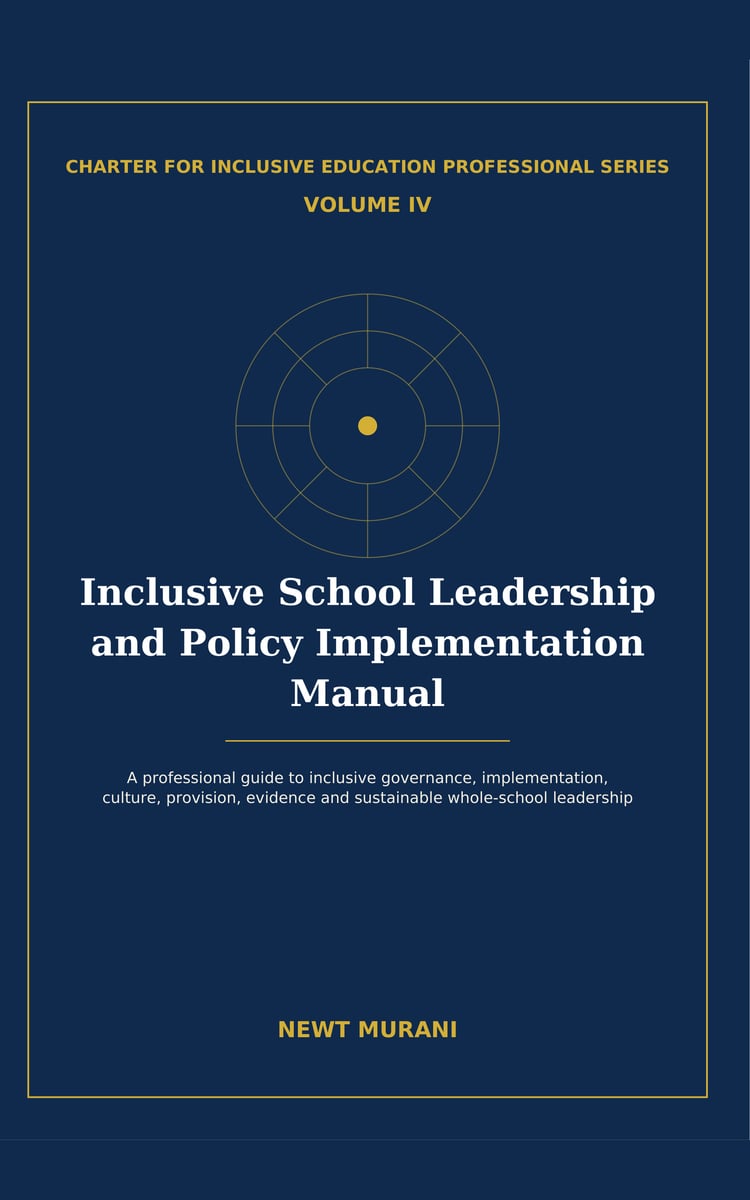
• inclusive school leadership and whole-school improvement
• sustainable inclusive education systems, policy implementation, technology, artificial intelligence, and future directions
Extensive practical tools included
This digital professional edition also contains a substantial toolkit of reusable resources, including:
• learner observation and early-identification tools
• referral and multidisciplinary information-gathering forms
• UDL and differentiation planning frameworks
• inclusive lesson-planning tools
• IEP and learner-support planning resources
• disability and learner-access checklists
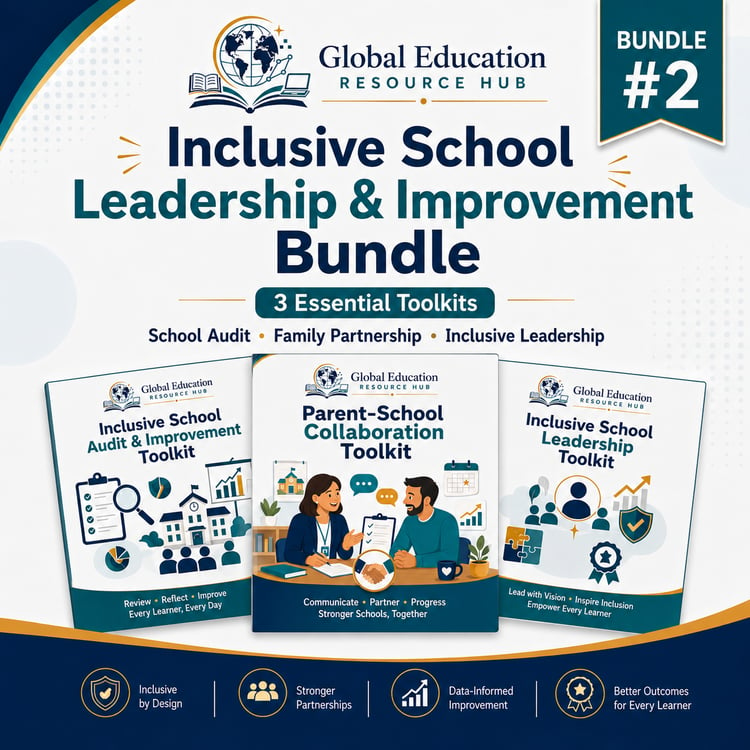
• family-engagement and collaboration tools
• inclusive assessment and progress-monitoring matrices
• transition-planning and readiness tools
• whole-school inclusion audits
• leadership and improvement-planning frameworks
• system-level policy, equity, technology, and future-readiness tools
These resources are designed to help translate inclusive education principles into practical action in classrooms, schools, professional learning programmes, and education systems.
Who this resource is for
This handbook is particularly useful for:
• classroom teachers
• special and inclusive education teachers
• teacher educators and trainers
• school leaders and inclusion coordinators
• educational assessors and support professionals
• postgraduate and professional education students
• education administrators and policy makers
• NGOs and organisations supporting inclusive education
Format
Digital PDF edition — 267 pages
The PDF can be downloaded after purchase and used as a professional reference for individual study, teacher development, planning, school improvement, and educational leadership.
Every Learner Matters. Every Teacher Makes a Difference. Every School Can Be Inclusive.
Volume I of the Charter for Inclusive Education Professional Series.