
The Duterte Doctrine: Unpacking the War on Drugs in the Philippines
The Duterte Doctrine: Unpacking the War on Drugs in the Philippines
By William Ubagan
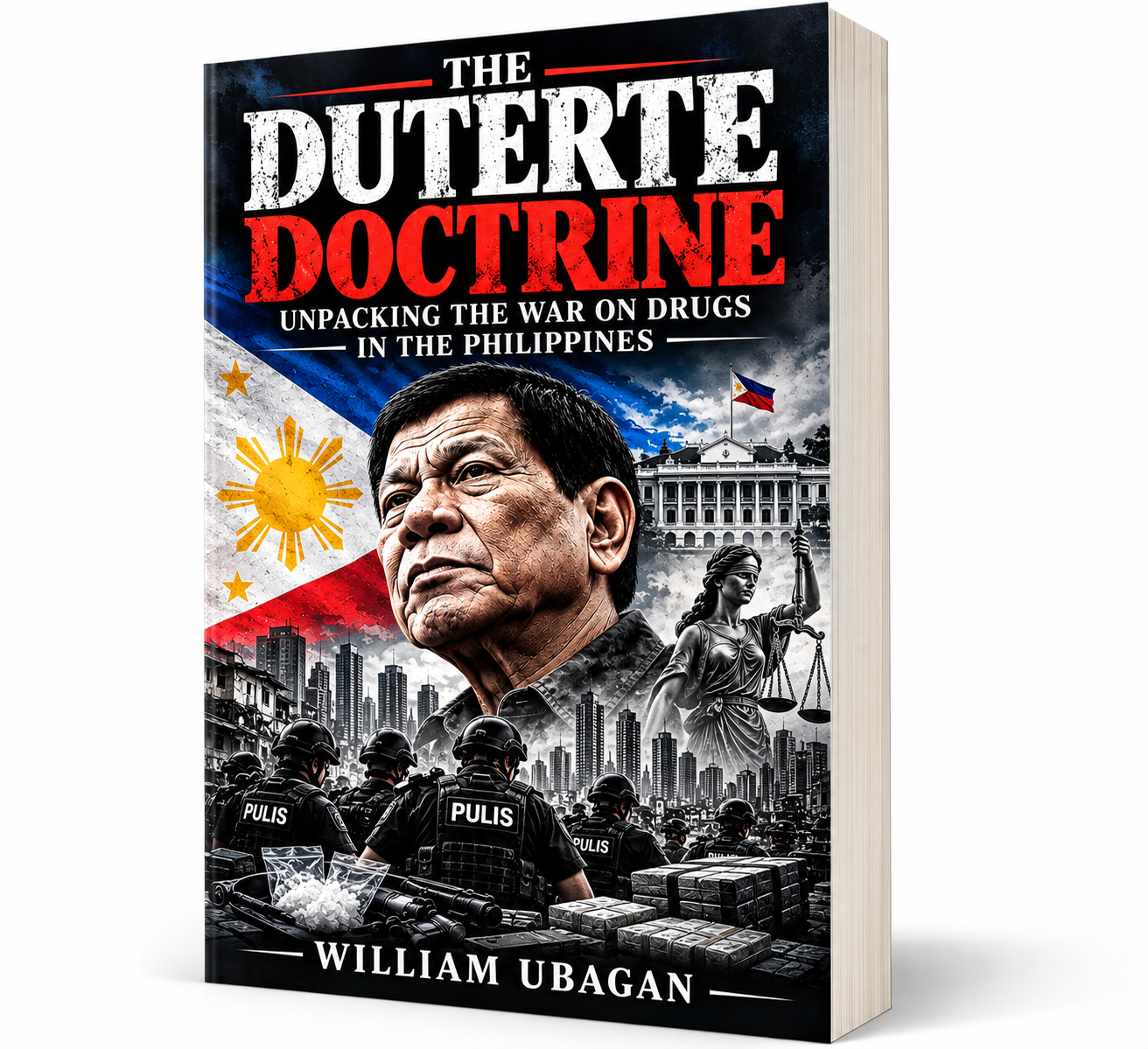
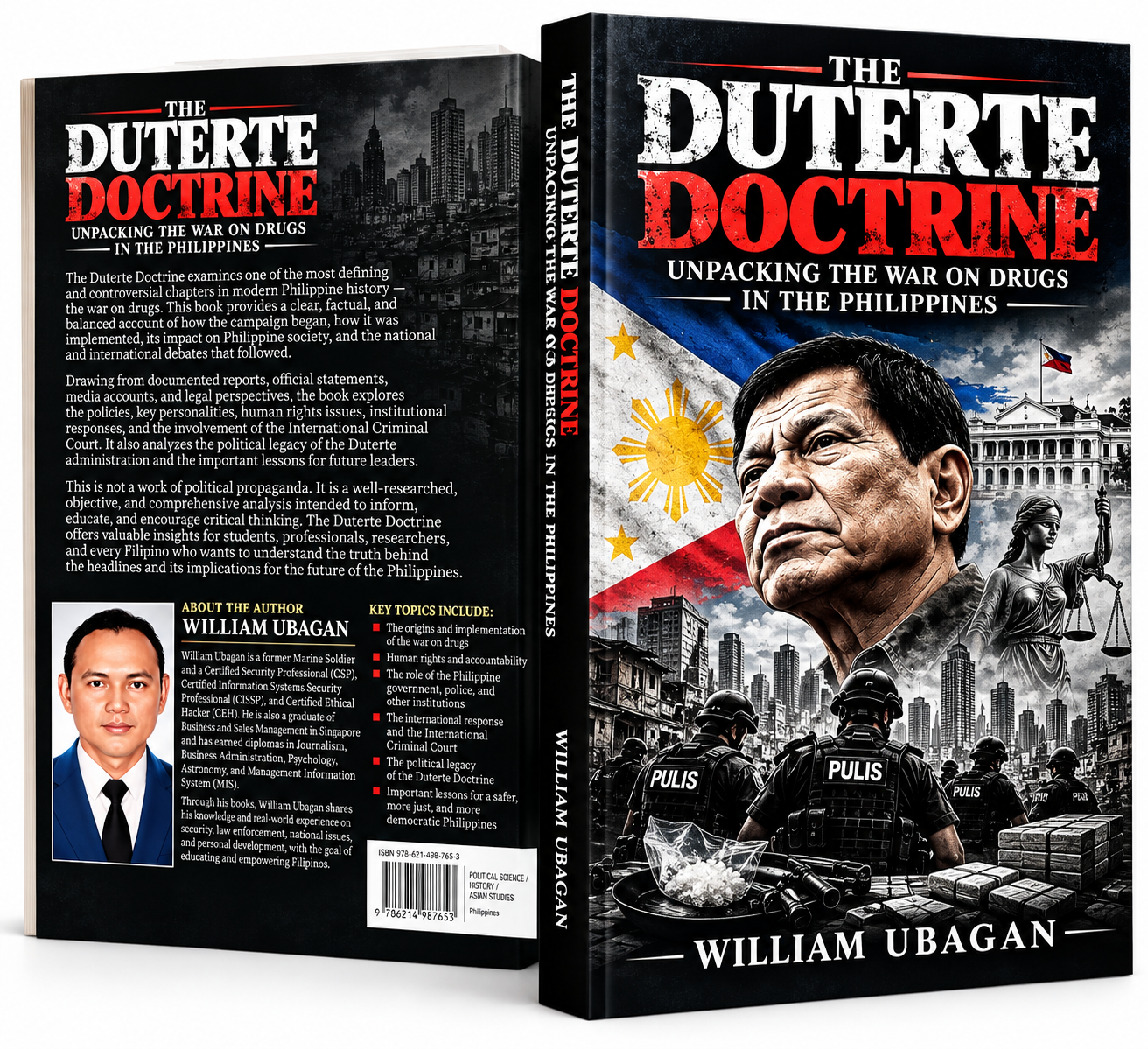
The Duterte Doctrine: Unpacking the War on Drugs in the Philippines examines one of the most defining and controversial chapters in modern Philippine political history: the nationwide campaign against illegal drugs launched under former President Rodrigo Roa Duterte.
When Duterte assumed the presidency in 2016, he promised decisive action against illegal drugs, criminal activity, and threats to public safety. His message resonated with millions of Filipinos who wanted safer communities and stronger law enforcement. However, the campaign also generated serious concerns about reported deaths, allegations of unlawful killings, human rights, due process, and the accountability of government officials.
This book explores the origins of the Philippine drug problem, Duterte's rise to national leadership, the implementation of the war on drugs, and the central role played by the Philippine National Police. It examines the human consequences of the campaign, the responsibilities of law enforcement institutions, the importance of constitutional protections, and the international response, including the involvement of the International Criminal Court.
Beyond the controversy surrounding the campaign, the book investigates the broader political legacy of the Duterte Doctrine. It considers how strong leadership, public opinion, political communication, and the exercise of executive power influenced Philippine democracy. It also examines the difficult relationship between national sovereignty and international accountability, emphasizing the importance of distinguishing allegations, documented events, and established legal findings.
Written in clear and accessible English, this book encourages readers to look beyond political slogans and partisan divisions. It presents the war on drugs as a subject requiring careful historical examination, critical thinking, and an understanding of both public safety and individual rights.
Ultimately, The Duterte Doctrine asks an essential question: How can a government effectively confront crime and illegal drugs while protecting human dignity, upholding the Constitution, and maintaining public trust?
This book offers valuable perspectives for students, researchers, policymakers, and readers interested in Philippine politics, criminal justice, human rights, and contemporary history. It invites every Filipino to reflect on the lessons of the Duterte era and consider how the country can build a safer, fairer, and more accountable future.