
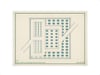

Garden Room Design VIII Square with Fractured Edge Boundary Interaction
This is a scaled adaptable architectural garden framework for experienced gardeners and designers who prefer structured spatial planning over template-based layouts.
What’s Included
- One complete high-resolution Garden Room PDF with 3 room variations.
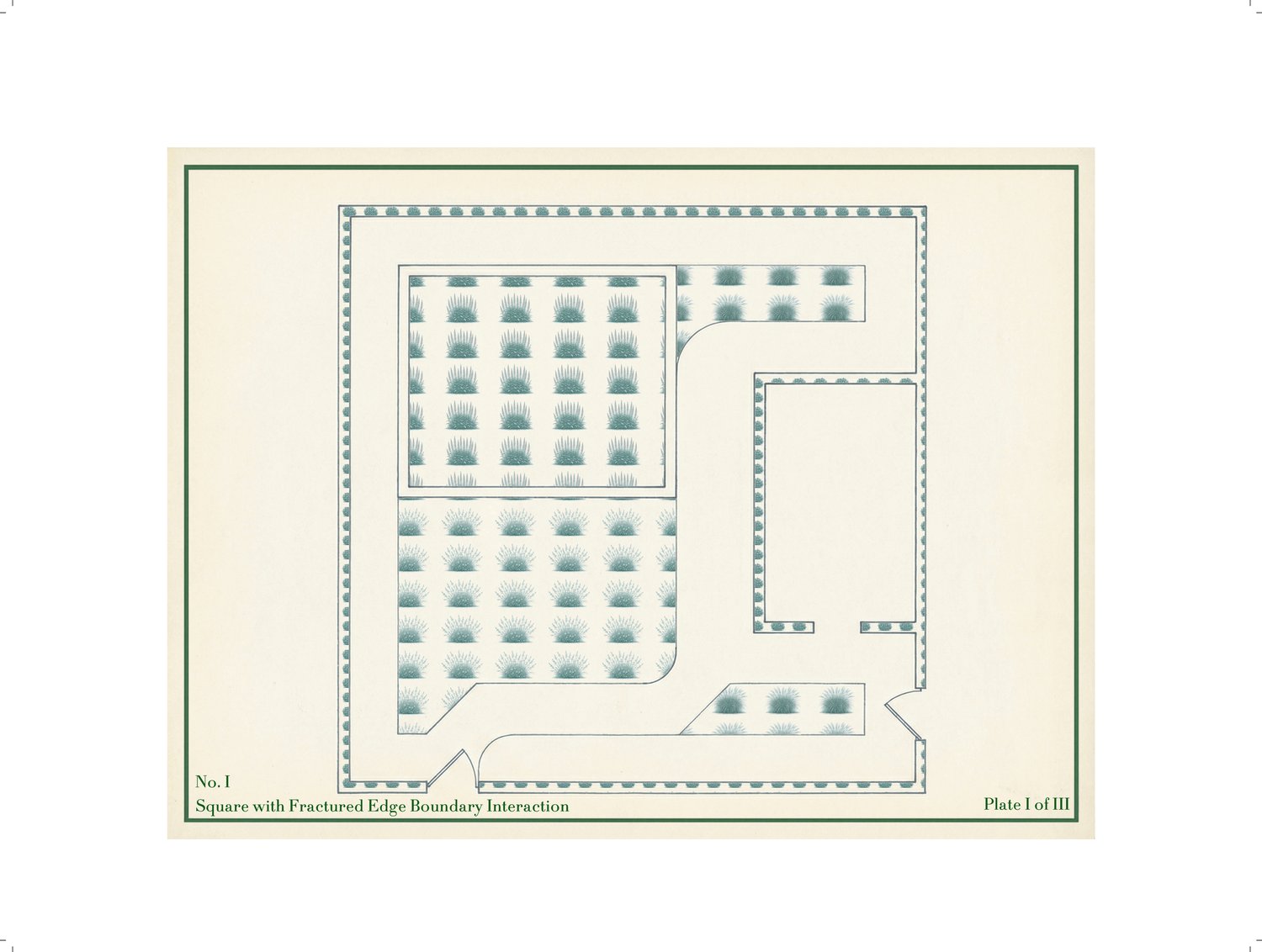
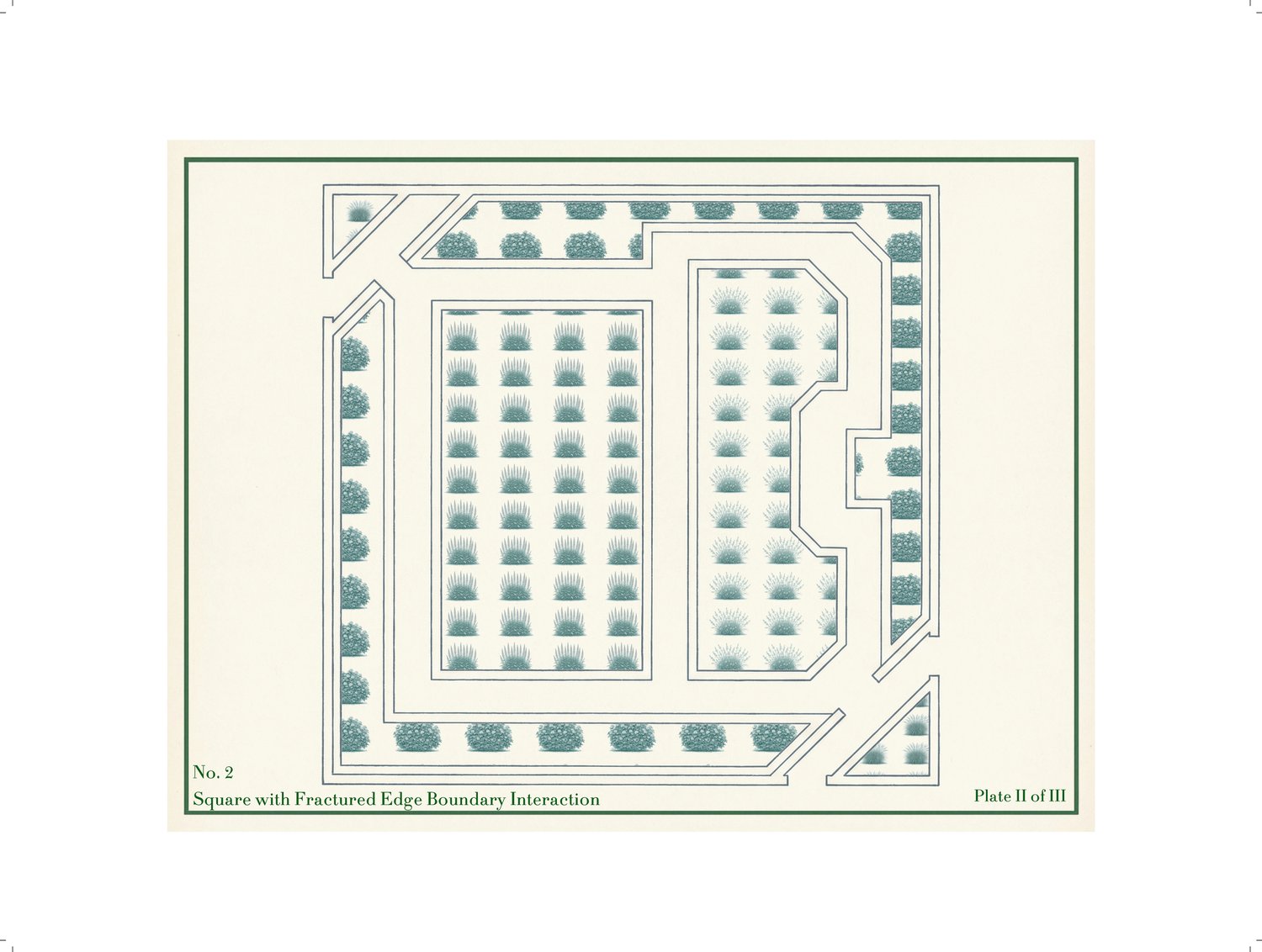
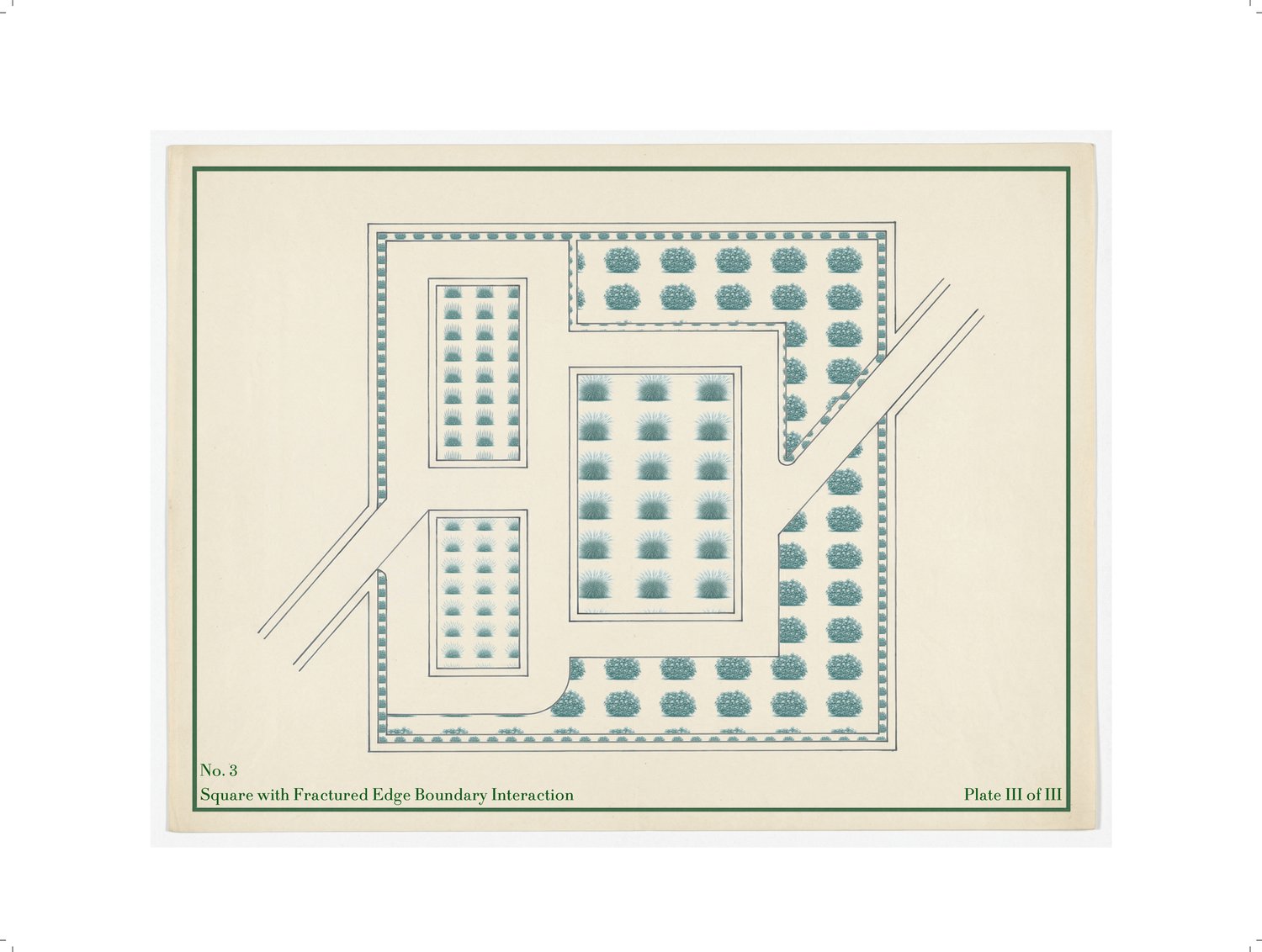
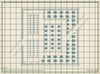
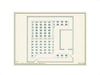
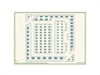
- Three finished design plates exploring variation within a single rectilinear enclosure organized through orthogonal circulation and compartmental massing.
- A title and cover plate.
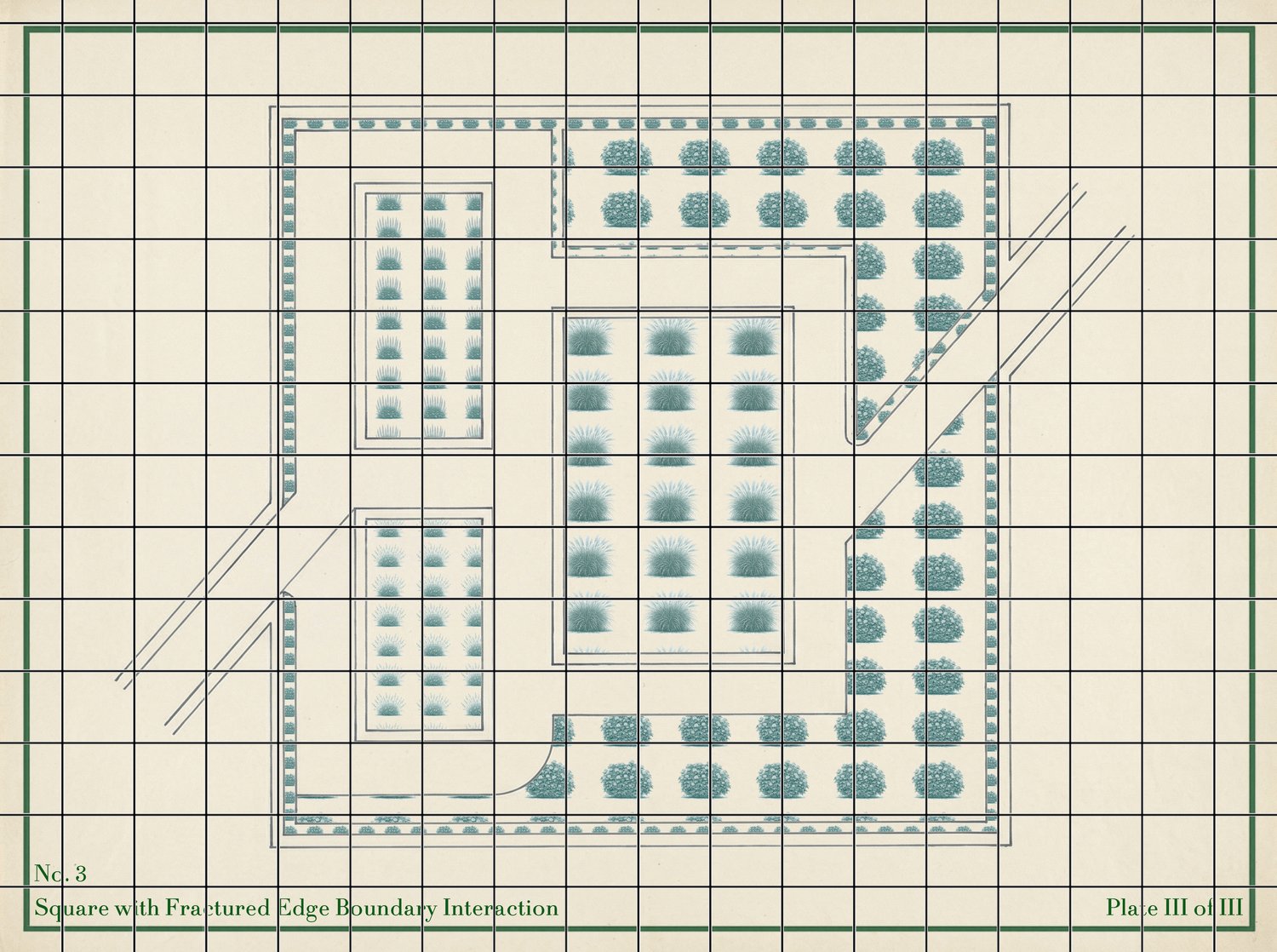
- Grid system for practical planting use for 3 room variations.
- Plant mass reference glyphs and a plant legend offering general plant suggestions.
- Interpretive design notes and visual reference material.
Concept
The Garden Room series is conceived as a set of spatial studies rather than rigid specifications. Each room is treated as a composed enclosure defined by proportion, edge, adjacency, and circulation, where planting is understood as mass and spatial relationship rather than inventory. The work draws from historical garden and architectural traditions associated with the late Renaissance through the early Enlightenment period, when gardens were communicated through plates and variation rather than instruction manuals.
The intent is to offer a way of organizing gardens as legible rooms capable of holding complexity without rigidity. The plates are meant to be read slowly and interpreted, functioning as reference objects and planning tools for gardeners, designers, and homeowners who prefer judgment and adaptation over fixed templates.
Rectilinear Enclosure with Orthogonal Circulation
This Garden Room explores a square rectilinear enclosure defined by a continuous clipped perimeter hedge. Within this architectural frame, a disciplined orthogonal path system establishes measured movement while carving out distinct planting compartments of varying proportion.
The dominant geometric move is a structured right-angled circulation spine that bends and turns with restraint, creating tension through adjacency rather than symmetry. Compartments vary in scale and density, forming interior courts and transitional planting fields that relate through compression and release.
Circulation reinforces clarity along the perimeter and through the interior, producing a composed sequence of rooms that feel deliberate and legible. The composition reads as structured and intentional, with variation generated through proportion and internal contrast rather than ornament.
Planting Strategy
The planting palette is deliberately restrained, chosen for clarity of form, sustained seasonal presence, and the way each plant holds space as a coherent mass.
Veronica longifolia forms the primary vertical field within one major compartment. Its upright spires create disciplined repetition and directional rhythm, reinforcing the orthogonal geometry while preserving air between stems.
Gaura lindheimeri establishes a lighter, more permeable flowering mass in an opposing compartment. Its fine stems and floating blooms introduce movement and softness without dissolving spatial clarity.
Miscanthus sinensis provides a taller structural grass volume within a secondary enclosure. Its upright blades and seasonal plumes create a contained atmospheric mass that reads as a unified plane rather than scattered individuals.
Physocarpus opulifolius forms the rounded shrub mass within the remaining compartments. Its dense foliage creates weight and compression, counterbalancing the vertical and airy elements elsewhere in the composition.
The outer boundary is defined by a clipped hedge enclosure that holds the perimeter with architectural discipline, ensuring that internal planting volumes remain legible and contained.
Planting reads as disciplined mass and adjacency, with each compartment dominated by a single species to preserve clarity and reinforce geometric structure.
Variation Across the Plates
Across the three plates, the same rectilinear enclosure and planting roles are recomposed to explore subtle shifts in proximity, compression, and internal emphasis. The orthogonal circulation remains the organizing framework, while internal volumes adjust in size and relational tension.
Planting masses remain pure within each compartment and are repeated to build coherence. The enclosing hedge holds the perimeter as a continuous architectural frame.
Rather than presenting alternatives, the plates describe calibrated variations within a single spatial logic. Together they invite the viewer to experience the garden as a contained interior landscape shaped by rhythm, disciplined massing, structural clarity, and deliberate restraint.
How to Use the Grid
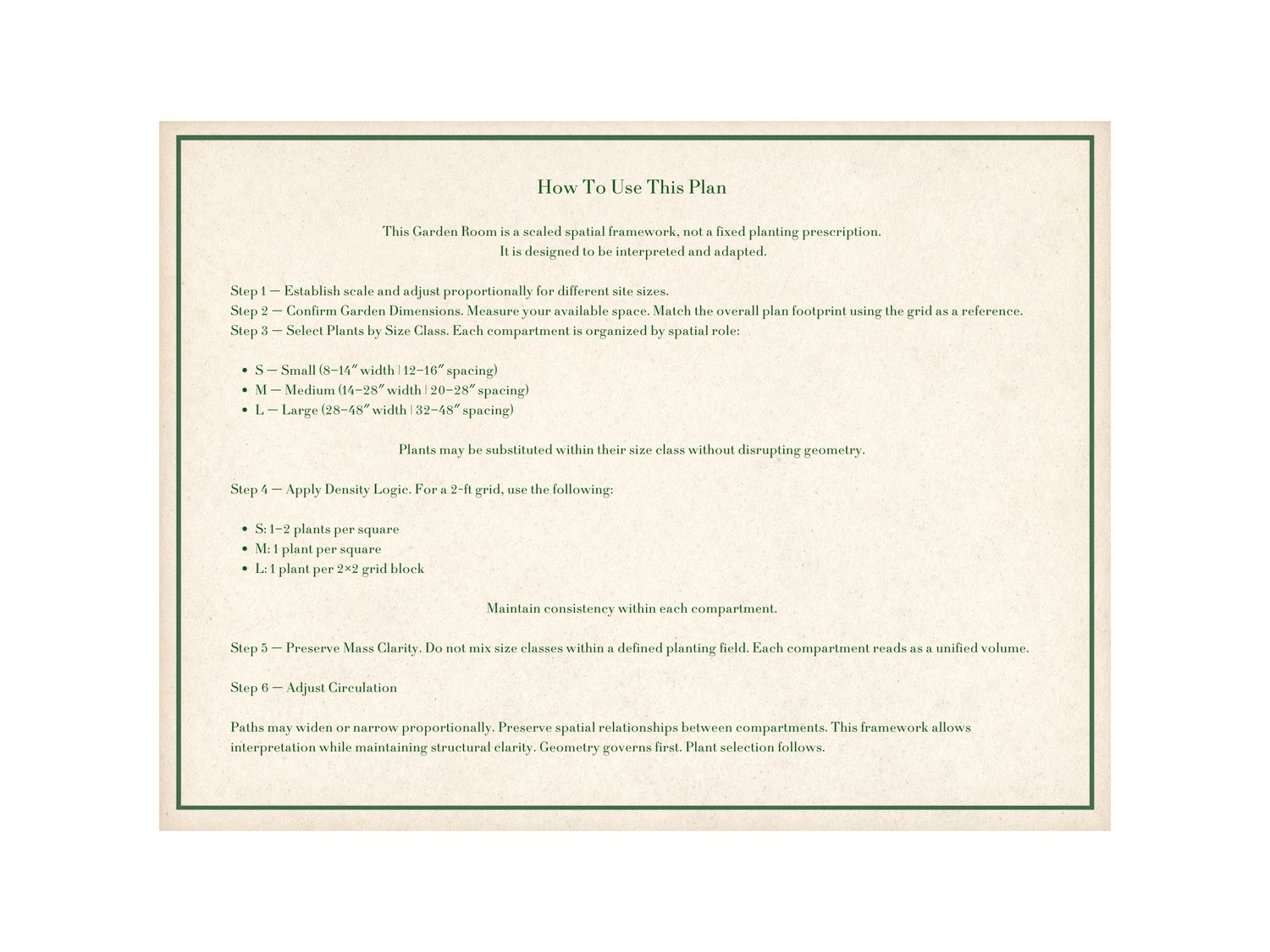
The grid functions as a proportional scaling tool. Each square corresponds to the scale indicated on the specific plate (1 ft, 1.5 ft, or 2 ft). Use the grid to translate planting mass into appropriate on-center spacing. Small plants occupy tighter intervals, medium plants align approximately one per square at their spacing, and large plants extend across multiple squares according to mature width. Maintain a single size class within each compartment to preserve spatial clarity. Plants may be substituted within the same size range without altering the underlying geometry.
The plant glyphs shown on the plates represent planting types listed in the legend and are decorative indicators of mass, not literal quantities per grid square.