
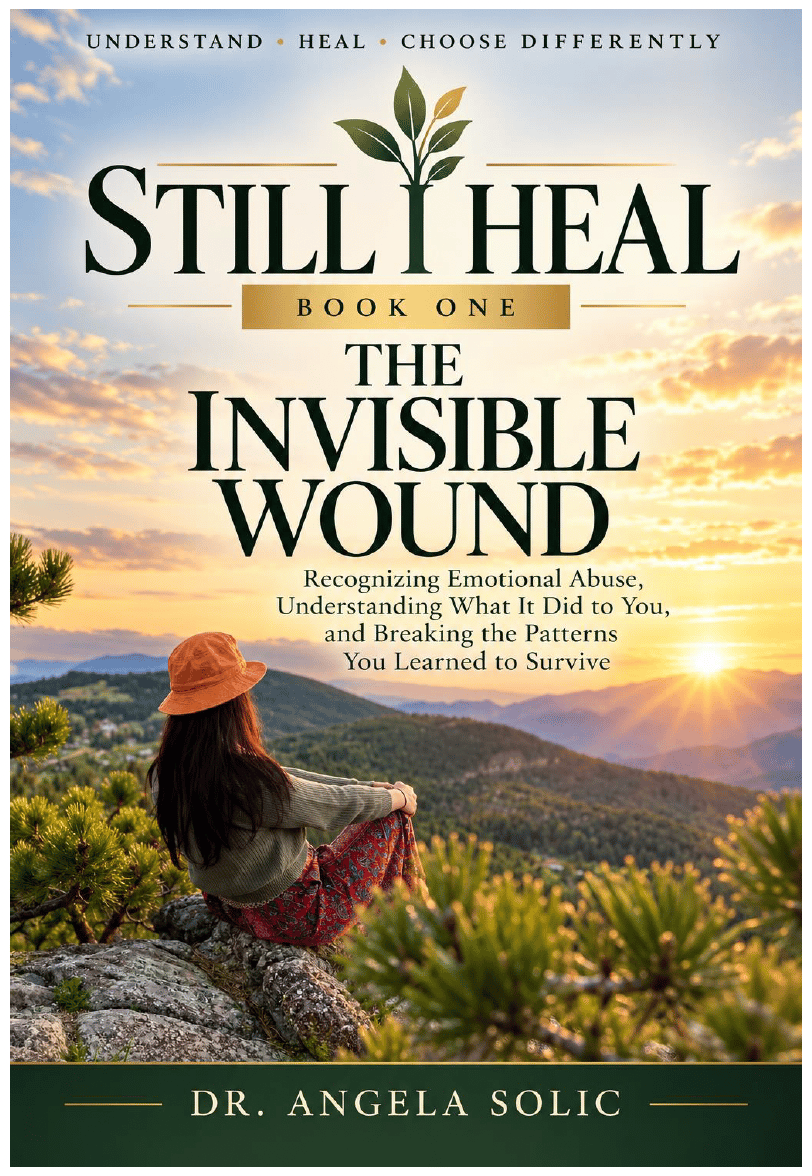
The Invisible Wound: Recognizing emotional abuse, Understanding what it did to you, and Breaking the patterns you learned to survive
The Invisible Wound: Book One
343 pages
Want to check out a few pages? Here's some sample content.
What if some of the things you have always thought were simply part of your personality were actually things you learned to do to survive?
Maybe you became the responsible one, the perfectionist, the people pleaser, the high achiever. Maybe you became the person who can read a room in seconds but struggles to relax in it. Maybe you learned to avoid conflict, anticipate other people's moods, keep everyone happy, or handle everything yourself. You may have built a successful life and still find yourself wondering why certain relationships, emotions, or situations affect you so deeply.
The Invisible Wound is for adults who grew up in emotionally abusive, neglectful, unpredictable, controlling, narcissistic, or otherwise unhealthy family environments and are beginning to understand how those experiences may still be influencing their lives today.
In Book One of the Still I Heal series, Dr. Angela Solic explores the wounds that are often hardest to recognize because they did not always leave visible evidence. Through accessible explanations, relatable examples, reflection exercises, practical tools, and research-informed guidance, readers learn how childhood experiences can influence the developing brain and nervous system, shape identity and self-worth, create survival patterns that follow us into adulthood, and affect the relationships we choose and the ways we respond to the people we love.
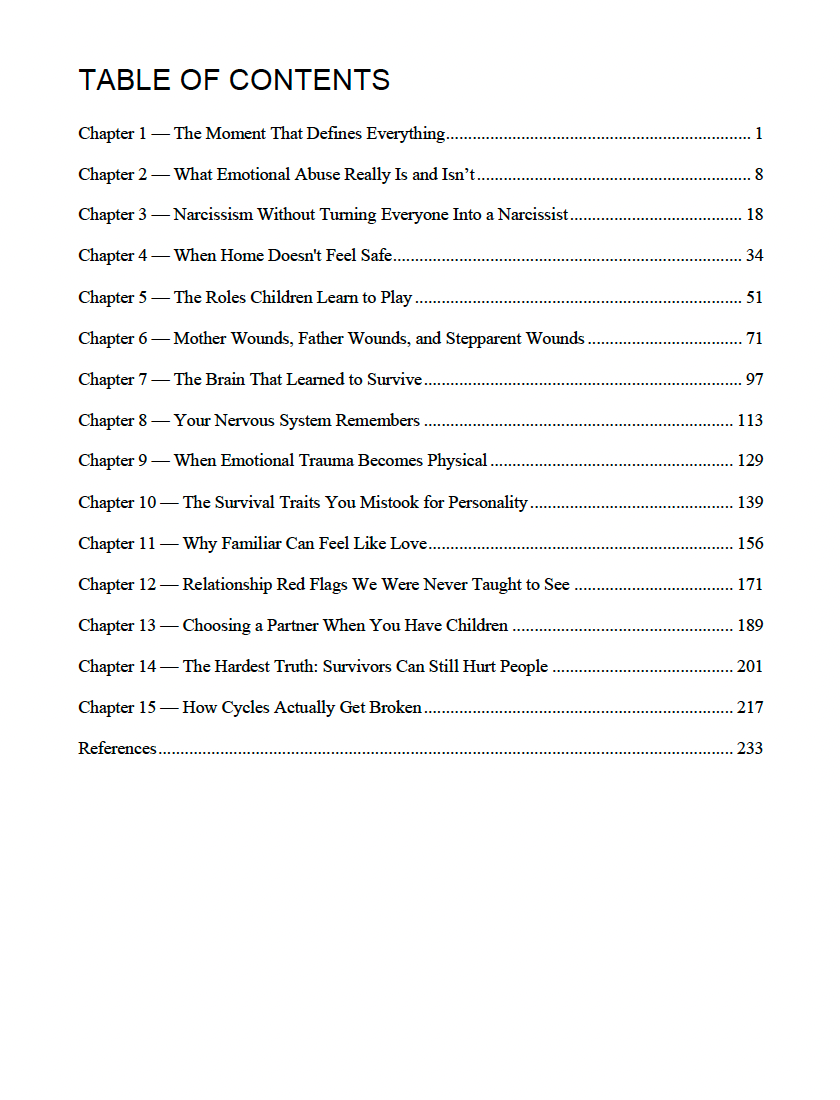
The book explores emotional abuse and dysfunctional family environments without reducing every difficult person to a diagnosis or every painful childhood experience to trauma. It examines narcissistic behaviors, unhealthy family roles, mother, father, and stepparent wounds, hypervigilance and nervous-system responses, the physical effects associated with chronic stress, relationship patterns, red flags, parenting, accountability, and the uncomfortable reality that people who have been hurt can sometimes carry harmful behaviors forward themselves.
Most importantly, The Invisible Wound helps you understand your childhood well enough that it no longer gets to make your choices for you.
You cannot change the family you were born into. You cannot go back and give your younger self the childhood they deserved. But you can begin to recognize what you learned there, question what you carried forward, and decide what belongs in the life you are creating now.
Because as children, we become who we need to be to survive. As adults, we can decide who we want to become.
Once you know, you can choose differently.
Note: Book Two Available Soon