

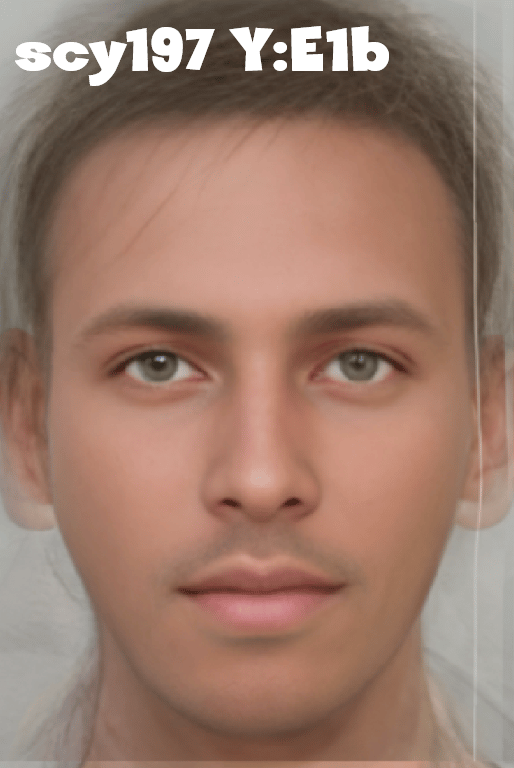

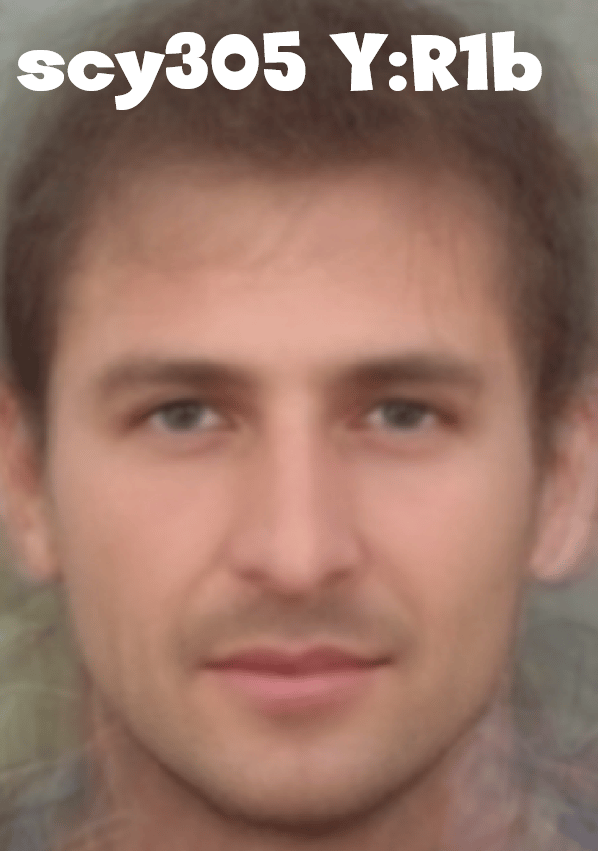




Getae Moldova Glinoe Scythian 23andme
The Getae were an ancient Paleo-Balkan Indo-European people inhabiting the Lower Danube basin, mainly in present-day southern Romania and northern Bulgaria, from the early Iron Age into the Roman period. Classical authors regarded them as part of the wider Thracian world, and modern scholarship usually treats the Getae as a northern Thracian or Thraco-Dacian group, closely related to the Dacians of the Carpathian interior. Their society was organized around fortified settlements, warrior elites, and a distinctive religious tradition centered on Zalmoxis, a deity or deified sage associated with the immortality of the soul.
The Getae interacted extensively with neighboring peoples. To the south and east, they shared close cultural and linguistic ties with other Thracian tribes, often participating in the same political and military networks. To the west, they came into contact with Illyrian groups, particularly through trade and frontier warfare along the Danube and Balkan interior, though the Illyrians remained linguistically distinct. From the north and east, the Getae encountered Scythian nomads, whose influence is visible in weapon styles, horse gear, and elements of elite culture; at times these interactions were hostile, at others cooperative, especially in the Pontic steppe zone.
For this video I gathered the raw genomes of 4 Getae from Moldova dating to 3rd century BCE.