
MoonBeams
This poem celebrates the tranquil transition from day to night, portraying nature as a living, gentle presence. The opening lines—“when mother nature is beginning to draw her curtain / darkness is ascending that is certain”—set the scene of evening as a deliberate, graceful act, like the world slowing down to rest.
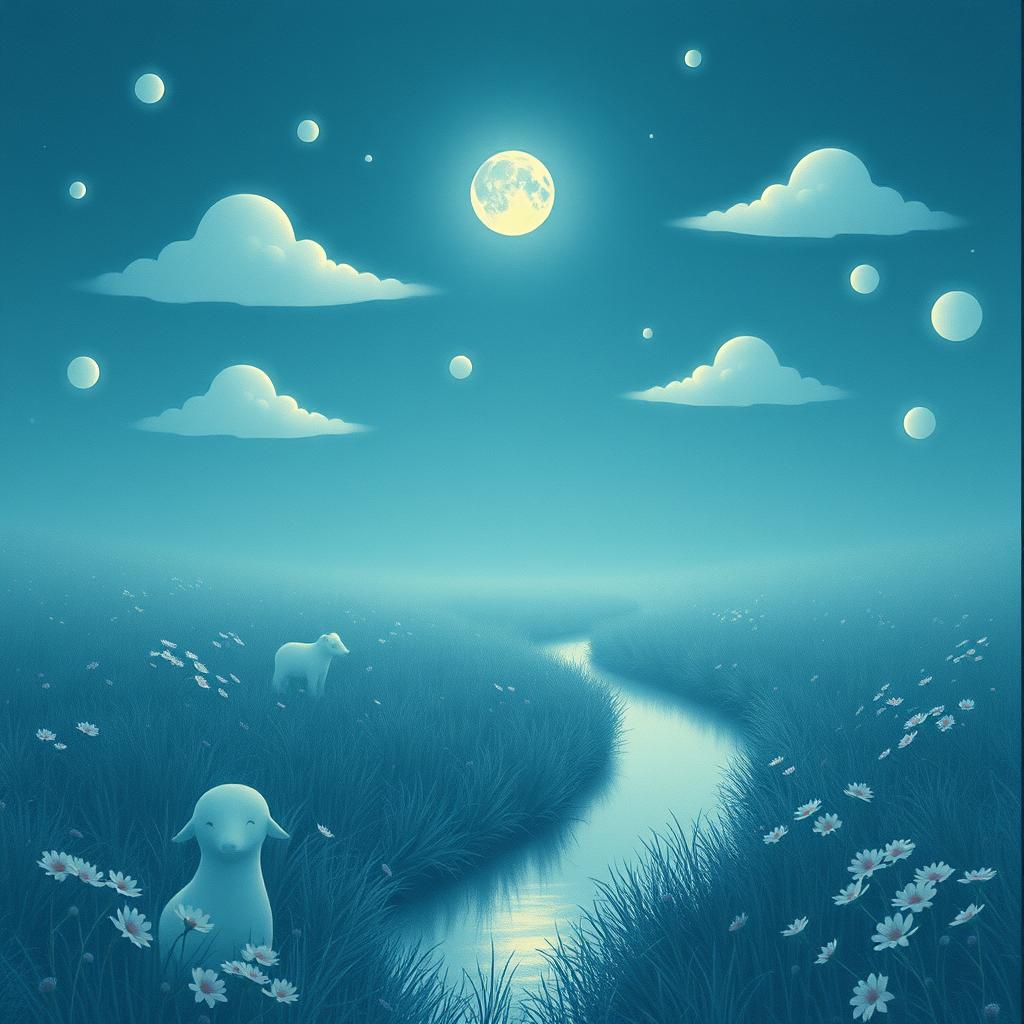
The imagery of dew falling “with such quietness, not making a sound” emphasizes stillness and peace, while the clouds described as “marshmallows in the night sky” and the moon sending a “glowing white beam” give the poem a soft, magical, almost childlike wonder. Stars are portrayed as dancing in waltzing gowns, adding a romantic, whimsical quality to the night sky.
The poet observes wildlife—wild geese, crickets, sleeping animals—highlighting the rhythms of life that continue even as night falls. Flowers “send out their sweet smell” and “saved a story to tell,” suggesting that nature holds memories and stories if one takes the time to notice.
The poem closes with a note of gratitude, acknowledging the divine beauty of the world and the peace that evening brings. Even rain does not diminish this sense of wonder; it is seen as part of the endless story of nature.
Key Themes
- Peaceful transition from day to night
- Reverence for the beauty of nature
- Tranquility and stillness
- Magical, whimsical imagery
- Gratitude for simple, natural wonders
- Life’s quiet rhythms and continuity
Overall Meaning
This poem is a celebration of evening and nature’s serenity, inviting the reader to pause, reflect, and find beauty in quiet moments. It emphasizes the interconnectedness of all living things, the gentle rhythms of life, and the sense of awe that comes from simply observing the world at night.